

22% of consumers replace drugs with cannabidiol
How many clients will lose the pharmacological business, if Ukraine is allowed to grow technical hemp therapeutic orientation to individuals. What financial resources will the “hucksters in white coats” lose when anyone who wants to legally grow technical hemp has a therapeutic focus on his backyard and have a legal opportunity to apply the therapeutic properties of the plant, using it as a food (salads, juices, seasonings, etc.) .), a homemade cosmetic product or natural product used to treat a huge number of severe, including chronic diseases.
Since the adoption of the relevant law in 2018, cannabidiol (CBD) came to the fore in the minds of Americans as an alternative supplement for health and well-being, and sociological studies show that an increasing number of consumers are using it to replace their prescription and OTC drugs.
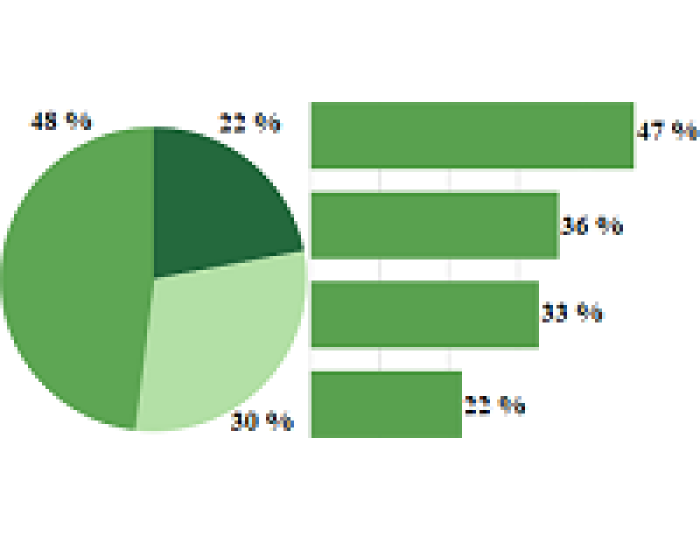
A US national consumer survey in January 2019, which was attended by more than 4,000 cannabidiol users across the country, found that almost a quarter of patients used CBD to replace over-the-counter (Tylenol) or anti-anxiety or sleeping pills, including prescription drugs, for example, opioid based anesthetics. About half of the respondents who took cannabidiol did not use drugs when they started using CBD, while 30% consumed the above drug-free cannabinoid to supplement their usual medications. The remaining 22% of consumers used cannabidiol to completely replace other drugs with it.


The results of the survey were presented at a public hearing held by the US Food and Drug Administration (FDA) at the end of May 2019. The hearing was initiated by organizations advocating for control over production safety, product quality, marketing, labeling and sales of products containing cannabis and cannabis derivatives, including drug-free cannabinoids.
The following information was obtained during the survey:
• consumers focused on the fact that they buy cannabidiol in cannabis dispensaries (40% of respondents), in retail chains (34%), online stores (27%), at other points of sale (12%);
• The most popular forms of use of CBD are food products, including food and beverages (35%), drops or sprays (30%), devices for evaporation (30%).
Commentary of the Association "Ukrainian technical hemp"
Let's try to extrapolate this information for the needs of the national market. To do this, you should ask yourself only one question, how many clients will lose the pharmacological business, if Ukraine is allowed to grow technical cannabis of therapeutic orientation to individuals. What financial resources will the “hucksters in white coats” lose when anyone who wants to legally grow technical hemp has a therapeutic focus on his backyard and have a legal opportunity to apply the therapeutic properties of the plant, using it as a food (salads, juices, seasonings, etc.) .), a homemade cosmetic product or natural product used to treat a huge number of severe, including chronic diseases.