

Non-narcotic cannabinoid cannabigerol
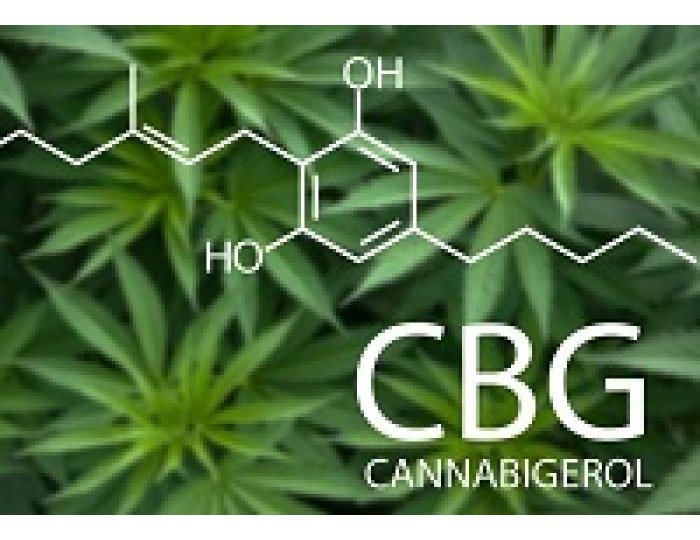
The available materials on illustrative examples indicate not only the effectiveness of using the therapeutic properties of “non-traditional drug-free cannabinoids”, but also demonstrate the effectiveness of their use primarily for industrial purposes.
On the pages of the specialized electronic edition of national cannabis growers, the attention of our dear readers and listeners has already been focused on the fact that “the Canadian-Spanish alliance is bringing cannabigerol to the market of the maple leaf country ”, the mechanisms of “ How the Swiss enter the US market with a cannabigerol-rich variety ". There is a clear interest on the market in the use of “non-traditional” drug-free cannabinoids in various forms, therefore, in anticipation of a specialized round table at the “Hemp University” dedicated to this topic, the editors decided to provide more detailed information about another drug-free cannabinoid of interest to the national market - cannabigerol ...
What is Natural Cannabigerol?
CBG is considered the mother of other cannabinoids because it plays an important role in the formation of tetrahydrocannabinol (THC) and cannabidiol (CBD), which are the plant's other best-known cannabinoids. This is because the acidic form of cannabigerol, CBG-A, breaks down when exposed to heat to form CBG, CBD, THC and CBC (cannabichromenes). CBG is considered a minor cannabinoid as it usually contains up to 1% of this therapeutically active element in the plant.
How does CBG work?
Cannabigerol is a cannabinoid that tends to be more abundant in cannabis varieties that are low in THC and high in CBD. Like tetrahydrocannabinol, CBG interacts with cannabinoid receptors in the brain. But one of the benefits of CBG, like CBD, is that it is not psychoactive, which means that the above cannabinoids do not give a person the same feeling that people get from using tetrahydrocannabinol. This is because CBG acts as a buffer for THC psychoactivity, working to alleviate the paranoia sometimes caused by higher levels of THC. However, cannabigerol has a unique set of properties that sets it apart from all other cannabinoids and can help treat various infections. CBG and CBD are currently considered non-psychotropic, which means they will not alter state of mind in a way that interferes with day-to-day functioning and mental clarity. However, they can change your attitude in ways that potentially relieve anxiety and depression.
It should be noted that the main difference between CBG and other cannabinoids is the level of research available. There has been a significant amount of research done on CBD and THC so far, however there is very limited experimental data available on CBG.
Therapeutic potential of CBG
The last decade has given rise to many different diseases, as well as new stresses and everyday problems, but cannabigerol is an excellent alternative for strengthening the human immune system and overcoming many vicissitudes in life.
Helps Reduce Pain and Inflammation
CBG has very good anti-inflammatory and analgesic properties that help relieve pain. When cannabigerol enters the body, it directly interacts with the endocannabinoid system, which has receptors and neurotransmitters responsible for the sensation of pain and inflammation in all living organisms. CBG has a positive effect on swelling and various types of joint pain.
CBG for Clinical Depression
Clinical depression is a serious form of depression. CBG benefits not only the body but also the brain. The researchers found that cannabigerol can accelerate the absorption of γ-aminobutyric acid, serotonin, and the "happiness molecule" anandamide in the brain. This can lead to increased levels of these neurotransmitters in the brain.
Glaucoma
According to a study published in 2008, the therapeutically active elements in cannabis are used in the treatment of glaucoma, and CBG may be partially responsible for its effectiveness. Researchers speculate that cannabigerol may be effective in treating glaucoma by lowering intraocular pressure.
Bladder dysfunction
Some cannabinoids affect the contraction of the bladder. A 2015 study looked at how five different cannabinoids affect the bladder and concluded that CBG is the most promising for treating bladder dysfunction.
Huntington's disease
CBG may have neuroprotective properties in a neurodegenerative disease called Huntington's disease. The researchers concluded that cannabigerol may hold promise for treating many other neurodegenerative diseases.
Bacterial infections
A 2008 study shows that CBG can kill bacteria, especially Staphylococcus Aureus, that are resistant to drugs like methicillin (MRSA).
Oncology
CBG is antipalliative, which means it encourages your body to fight cancer cells. Research carried out by Italian scientists in 2014 showed interesting results demonstrating that CBG can completely kill cancer cells in rats. In addition, there is a low risk of side effects or damage to healthy cells.
Loss of appetite
A 2016 rat study found CBG could stimulate appetite, which could be used to help people with conditions like HIV or cancer.
Information about the limited research on cannabigerol means that there is currently no reliable data on the potential side effects of its use. Based on what we know and previous CBD studies, cannabigerol appears to be very easily tolerated, has very low toxicity and no significant side effects when consumed at usual doses.
Commentary of the specialists of the Association "Ukrainian technical hemp"
Cannabigerol (Cannabigerol, CBG / CBG) was first discovered in the 1960s, but most of the research into its properties has only been done in the last decade. While the therapeutic properties of CBG are often overlooked, interest in this drug-free cannabinoid has gained momentum over the past few years, with more and more companies starting to focus on its production. In preparation for the next training course, the students of the " Hemp University " are preparing presentations on the possibilities of using cannabigerol as an effective natural therapeutic agent. The available materials on illustrative examples indicate not only the effectiveness of using the therapeutic properties of “non-traditional drug-free cannabinoids” , but also demonstrate the effectiveness of their use primarily for industrial purposes.