

The future of hemp fiber in the USA
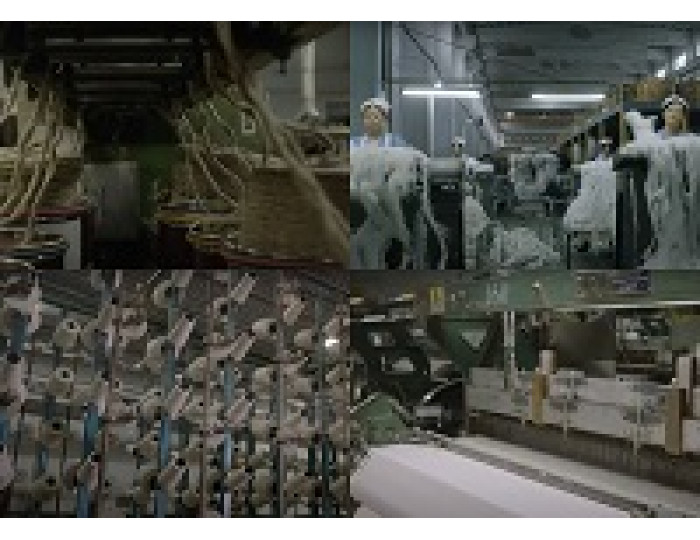
The problems posed by the American market to US government officials are similar to those that exist among cannabis growers in our country, in particular in matters related to the primary or advanced processing of hemp fiber and the production of end products with high added value. An example of interaction between government and business in the United States is a joint project organized by Colorado officials and business structures to promote hemp fiber products using the capabilities of the outerwear company Patagonia.
Industrial hemp in the United States is currently considered such a new agricultural crop that farmers throughout the country are constantly faced with many problems that do not give them the opportunity to receive consistently high income. For example, American breeders are just beginning research aimed at developing seed that provides a stable yield with predetermined grain or fiber characteristics. The lack of high-quality seed material, regulations for working with industrial crops of industrial hemp, as well as proven algorithms for growing high-quality hemp raw materials significantly restrain the hemp market of the most highly developed country in the world in the field of modern hemp breeding.
Despite the boom that has been observed in the past few years in the cultivation of plants for the purpose of obtaining drug-free cannabinoids, in the United States, areas related to the production of grain and hemp fiber are actively developing. How rapidly the above mentioned markets will develop has already been demonstrated in the material “ By 2030, hemp production will prevail in the United States in order to obtain seeds and fiber ”, however, American cannabis growers actively raise certain problems to government officials that impede the development of these sectors of the industry. and accordingly, the state apparatus is actively working to provide the country's hemp business with the foundation for its further active development.
The main problems that the hemp market raises for representatives of US government agencies are:
- catastrophic insufficiency of processing capacities;
- underdeveloped supply chains of raw materials from agricultural producers to capacities for primary or deep processing;
- fierce competition in the US market not only between national farmers, but also with similar products / raw materials grown in Canada and China.
To its credit, government officials at both the federal and regional levels are trying to help the development of certain sectors of American cannabis growing, including by making changes to existing regulations or by initiating various types of pilot projects that allow the development of markets for grain or hemp fiber. For example, in 2020, the Colorado Governor's Administration, the State Department of Agriculture, Colorado State University, local manufacturers and the outerwear company Patagonia launched a hemp-fiber pilot that will continue to fund in 2021.
The goal of the project is to find out if Patagonia can get hemp raw materials from US farmers, and not from China. To achieve this goal, the Colorado Department of Agriculture wants to acquire two decortication machines that will prepare the fibrous portion of the plant for yarn and other hemp fiber products and put them into operation to create conditions for agricultural producers. state to grow industrial crops of technical hemp for the purpose of producing, among other things, a certain amount of hemp fiber, which Patagonia will use for the production of final textile or knitted products.
“Regardless of whether this particular project is successful or not, the capacity for the primary and deep processing of hemp raw materials will develop not only in Colorado, but also should be installed throughout the country,” says Brian Koontz, head of the state hemp program. in USA.
According to representatives of the scientific community participating in the project, the production and processing of hemp grain or fiber has a great future, but the development of these production chains will take a rather long period of time. In addition, yields of hemp fiber in the United States are currently quite low. With a small number of textile factories that are technologically capable of making final products from hemp fiber, in the United States, mass production from raw hemp is unlikely to be profitable anytime soon. However, high-end apparel companies like Patagonia can kickstart this market even though they operate on a much smaller scale.
Commentary of the specialists of the Association "Ukrainian technical hemp"
The problems posed by the American market to US government officials are similar to those that exist among cannabis growers in our country, in particular in matters related to the primary or advanced processing of hemp fiber and the production of end products with high added value. An example of interaction between government and business in the United States is a joint pilot project organized by Colorado officials and business structures to promote hemp fiber products using the capabilities of the outerwear company Patagonia. Unfortunately, there are no such initiatives on the part of officials in our country. Worse, at all levels one can see an overt indifference to the problems of the industry. In particular, the project for amending the PKMU 589-2009, already developed and agreed upon in the relevant ministries and departments, is artificially inhibited in order to create corruption factors that allow law enforcement officials to influence both agricultural producers in our country who specialize in growing hemp fiber. and at the facilities for primary and deep processing.