

The incidence of epileptic seizures decreased by 86% in children who received cannabis leaves and inflorescences
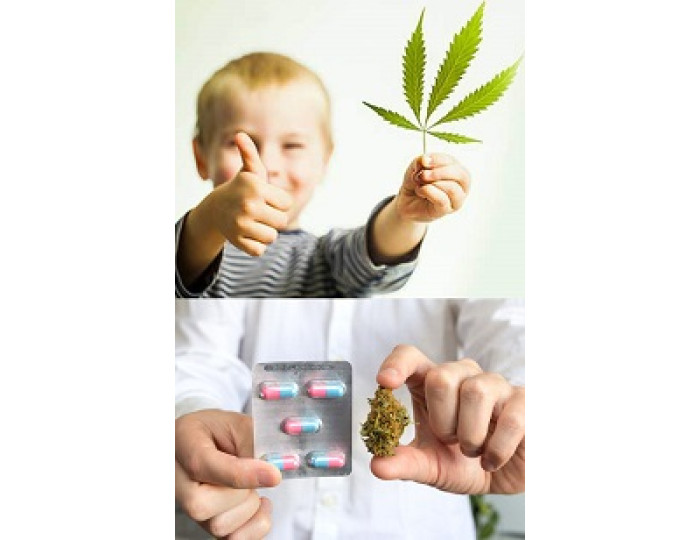
Several dozen cases of treatment of a number of severe neurodegenerative and neurological diseases have been documented by using the leaves and inflorescences of the "Mriya" variety as one of the main ingredients of salads, juices, smoothies (methods of their use that exclude extraction).
On the pages of the specialized electronic edition of national cannabis growers, attention is constantly focused on the fact that the use in various forms of leaves and inflorescences of technical hemp of a therapeutic orientation is much more effective from the point of view of the treatment of a number of serious, including chronic diseases than the paradigm imposed on society about the advisability of using pharmacological preparations made based on the therapeutic properties of the plant. The studies carried out by our foreign colleagues indicate that the use of untreated leaves and inflorescences of medical cannabis for the treatment gives an extremely positive result, at least for solving various kinds of problems associated with epilepsy.
Historical aspect
Prior to the experiment, the researchers examined the available data on the value of therapeutically active elements in cannabis for the treatment of childhood epilepsy. The results obtained, to a certain extent, amazed scientists, who, having familiarized themselves with materials dating back to the 17-20th centuries, drew attention to the fact that in most cases the leaves and inflorescences used for the treatment of epilepsy were not exposed to any effect. Those. The vast majority of the historical record describes the use of untreated hemp leaves and inflorescences that have been effective in helping patients with epilepsy. The analysis of historical materials prompted scientists to move on to a further stage of studying the potential therapeutic benefits of the leaves and inflorescences of the hemp plant - conducting a local experiment.
It should be borne in mind that in 2018 in the UK, an experiment was conducted in which children (who were not helped by traditional methods of treatment, including the use of conventional antiepileptic drugs), suffering from various forms of epilepsy, were prescribed drugs based on the therapeutic properties of cannabis.
Goals and objectives of the activities
Researchers tried to evaluate the efficacy of medicinal cannabis leaves and flowers in 10 children whose severe epilepsy could not be controlled with conventional treatments, and two of whom did not respond to pharmaceutical-grade purified CBD oil licensed for this condition in Epidyolex children.
In addition, the researchers wanted to assess the percentage change in monthly seizure frequency and the effect of medical cannabis on changes in the use of conventional epilepsy medications. They also wanted to determine the strengths and weaknesses of this kind of treatment, its effectiveness, as well as navigate the financial component of the experiment.
An experiment on the use of medical cannabis for the treatment of epilepsy
The average age of the children was six years, but ranged from one to 13. The patients had various forms of epilepsy, with three having other comorbid problems, including childhood spasms, learning disabilities, and global developmental delay. Prior to the experiment, the children were found to have used an average of seven common epilepsy medications.
After taking medicinal cannabis, the number of pharmacological agents used dropped to one drug for every “little patient,” and seven children stopped using any drugs altogether. The researchers found that the monthly seizure frequency dropped by an average of 86% in all 10 children. Medicinal cannabis leaves and flowers averaged £ 874 per month. Parents and caregivers reported significant improvements in the health and well-being of their children, including improvements in sleep, nutrition, behavior and cognition, after the children began to consume the leaves and flowers of the cannabis plant, which have significant therapeutic properties. Only a few minor side effects have been reported, such as fatigue.
conclusions
This is an observational study in a small number of patients. Scientists admit that the experiment was conducted without a control group. Only those parents decided to take part in the experiment, in whose children therapeutic cannabis has proven itself well even before the experiment was carried out. The researchers emphasize that their results are consistent with several previously observed and controlled interventional studies showing significant reductions in seizure rates after treatment with cannabis leaves and buds.
Experimental evidence suggests that products made from untreated cannabis leaves and buds, which have significant therapeutic properties, are more effective than CBD products.
The researchers concluded that “Findings on the use of leaves and flowers of therapeutic cannabis for the care of young patients with severe treatment-resistant epilepsy provide evidence to support these NICE mechanisms. Such a step would be extremely beneficial for families, who, in addition to the psychological stress associated with caring for their chronically ill children, must also cover the substantial financial costs associated with the enormous cost of drugs. "
The UK's National Institute for Health and Care Excellence (NICE), which provides guidance on what therapies should be in England's health service, agreed that the findings are credible sources of evidence, especially in in cases where it is difficult to conduct clinical trials, for example, in children.
Commentary of the specialists of the Association "Ukrainian technical hemp"
During the training of the students of the Hemp University, the data (unfortunately, systematized by our foreign colleagues) obtained as a result of the patients' use of the leaves and inflorescences of therapeutic hemp, included in the register of plant varieties suitable for distribution in Ukraine, are regularly demonstrated. Several dozen cases of treatment of a number of severe neurodegenerative and neurological diseases have been documented by using the leaves and inflorescences of the "Mriya" variety as one of the main ingredients of salads, juices, smoothies (methods of their use that exclude extraction). Specialists of the information and analytical platform Hemp Consulting, as part of the implementation of one of the projects of the Association, prepare this information for provision to national state structures responsible for making changes to the existing by-laws in order to provide citizens of our country with legal ways to use the therapeutically active properties of a plant without the need for it. -or processing.