

How Israel and Canada's Individual Licensing Experience Can Benefit National Cannabis Growing
The number of patients individually using the therapeutic properties of cannabis in Israel and Canada suggests that this market segment not only exists, but it is also developing rapidly. There are obvious differences between how the possibility of individual use of leaves and inflorescences of plants in Israel is regulated and the opportunities provided by Canada for growing a plant by a specific citizen of the country. Considering the fact that industrial crops of therapeutic hemp have already been created and are being grown on a large scale in Ukraine, it is worth paying attention to the experience of the above countries in order to initiate the procedures necessary to regulate the possibility of individual cultivation, as well as the use of leaves and inflorescences of a plant with On the one hand, it is absolutely socially safe (the amount of tetrahydrocannabinol in which does not exceed 0.08%), on the other hand, it has significant therapeutic properties (for example, the amount of cannabidiol exceeds 2%).
How much the state cares about its own citizens, and does not lobby for the interests of specific manufacturers of goods made on the basis of the therapeutic properties of hemp or pharmaceuticals, is evidenced by the regulatory framework that regulates the possibility of growing or using the plant on an individual basis. That is why the specialists of the information and analytical platform Hemp Consulting are closely watching the dynamics of the increase in the number of individual licenses of consumers who independently use the therapeutic properties of the plant in Canada and Israel. The materials provided by our colleagues from Hemp Consulting testify to the dynamics of development of this particular sector of modern cannabis farming, therefore we provide them without any changes or cuts from the editorial office.
According to the monthly report of the relevant Israeli government agencies, as of April 2021, there are 91,548 license holders in Israel who have received individual rights to use the therapeutic properties of the plant, up 3.5% from the previous month.
The total amount of medical cannabis listed in licenses in April 2021 reached 3.31 tons, up from 3.19 tons in March and 3.064 in February. Those. the monthly increase in the volume of consumed leaves and inflorescences of plants with therapeutic properties is about 4%.
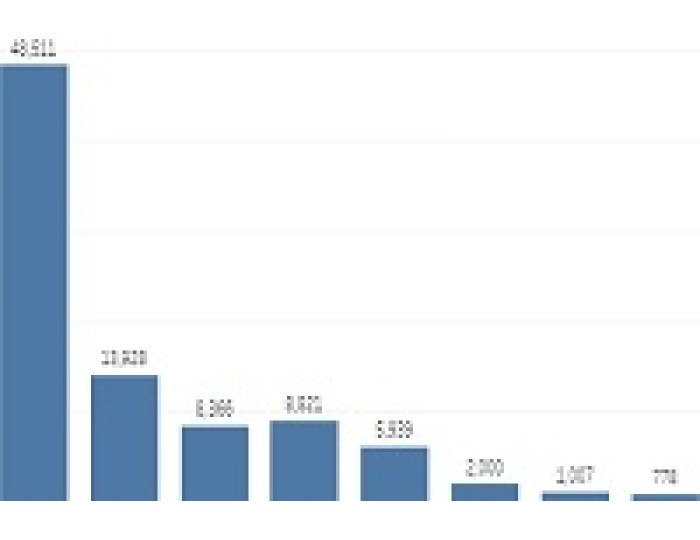
The most common diagnosis based on which an individual license is granted is chronic pain. In fact, more than 50% of the 3000 new licenses received in April of this year. were provided on the basis of testimony regarding this particular ailment. About 700 patients were licensed on the basis of the clauses of the relevant regulation relating to the "Other" section, about 150 cancer patients and 450 people were licensed in connection with problems in the field of psychiatry.

Diagram of diseases treated with medical cannabis in Israel
Commentary of the specialists of the Association "Ukrainian technical hemp"
In Israel, about 20 companies are allowed to legally grow psychoactive hemp for industrial purposes. These companies already provide more than 90 thousand patients not only in Israel, but are also actively working to enter the international market with grown products or products made on the basis of therapeutically active hemp raw materials. The number of patients individually using the therapeutic properties of cannabis in Israel and Canada suggests that this market segment not only exists, but it is also developing rapidly. There are obvious differences between how the possibility of individual use of leaves and inflorescences of plants in Israel is regulated and the opportunities provided by Canada for growing a plant by a specific citizen of the country. Considering the fact that industrial crops of therapeutic hemp have already been created and are being grown on a large scale in Ukraine, it is worth paying attention to the experience of the above countries in order to initiate the procedures necessary to regulate the possibility of individual cultivation, as well as the use of leaves and inflorescences of a plant with On the one hand, it is absolutely socially safe (the amount of tetrahydrocannabinol in which does not exceed 0.08%), on the other hand, it has significant therapeutic properties (for example, the amount of cannabidiol exceeds 2%).