

How the Luxembourg experience can be useful for national cannabis growers
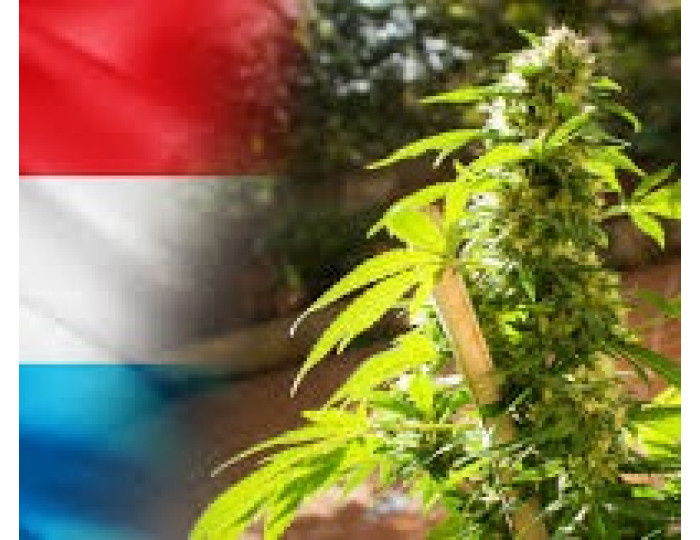
The state structures of Luxembourg, as well as of a number of other economically developed countries, comprehensively consider any issues related to amending the current legislation based not on data from dubious sources imposed from the outside, but based primarily on facts, as well as the needs of their own citizens and the capabilities of national commodity producers.
On the pages of the specialized electronic edition of national cannabis growers, the question has been raised more than once that the planned changes in the current regulatory framework of our country aimed at regulating various aspects of activities related to modern cannabis growing should be based on facts and evidence, primarily in the interests of citizens countries, in relation to the capabilities of national producers. Unfortunately, at the moment, both our society and government officials, trying to satisfy the artificially created agiotage demand for the use of therapeutic plants for medical purposes, do not consider the problems of amending the current regulatory framework in the complex, but lobby the interests of specific foreign manufacturers of pharmaceuticals. That is why our dear readers and listeners may be interested in the experience of economically developed EU countries, which, before making changes to the regulatory framework of their countries, comprehensively study the consequences of such decisions. How this mechanism works in Luxembourg, we try to understand this publication. In particular, we will briefly focus on the work of Luxembourg's interdepartmental working groups, specially created to study various aspects of the impact of the possibility of regulating the use of cannabis for recreational purposes.
Government officials in the Benelux countries, as well as a number of other EU countries, were eagerly awaiting the Luxembourg government to fulfill its promise and regulate the possibilities for the legal use of the hemp plant for recreational purposes. Despite the promises made by government officials, in June 2021, it was officially announced the creation of seven interdepartmental working groups that will present the results of a comprehensive study of the impact of amendments to the current regulatory framework aimed at regulating the legality of the use of cannabis for recreational purposes in July 2021. The above interdepartmental working groups have been created to address a number of issues related to the impact of planned changes in legislation on:
- UN treaties;
- documents regulating the Schengen agreements;
- production of legal psychoactive cannabis in Luxembourg;
- regulation of mechanisms for legal sale of psychoactive cannabis;
- prevention of crimes related to the illegal cultivation or use of the hemp plant;
- creation of conditions for the functioning of specialized educational programs;
- Creation of mechanisms to amend the criminal law and, accordingly, the country's legal proceedings.
Commentary of the specialists of the Association "Ukrainian technical hemp"
In early 2018, in Luxembourg, based on previous public opinion polls, a petition was submitted to the country's government on the need to authorize the legal use of all forms of cannabis. This initiative received widespread support, in connection with which the relevant documents were submitted to the country's parliament for consideration. During the parliamentary debate, a decision was made on the need to legalize the use of cannabis in the country for recreational purposes. After three years, no decision has been made to amend the current regulatory framework.
The Luxembourg government wants to create a successful recreational cannabis facility from the outset. That is why amendments to the current regulatory framework are carried out extremely carefully and accurately. Luxembourg government officials do not pay attention to the information noise generated in the EU with regard to the need to urgently adopt a legislative framework regulating the possibilities of using the therapeutic properties of the hemp plant, but want to rely on facts and an accurate calculation of how to amend the current regulatory framework will affect all areas of activity associated with this segment of modern cannabis production. In order to obtain factual materials, as well as to be able to analyze the consequences of the possible adoption of amendments to the current legislation, according to which it is planned to regulate the use of cannabis in the country for recreational purposes, government agencies created the seven above-described interdepartmental working groups.
Unlike our country, where amendments to the regulatory framework are lobbied by individual interest groups that clearly pursue the interests of non-national patients / consumers, the government structures of Luxembourg, like a number of other economically developed countries, comprehensively consider any issues related to the amendment into the current legislation based not on dubious sources imposed from the outside, but based primarily on facts, as well as the needs of its own citizens and the capabilities of national producers.