

The Dutch “bring” hemp furniture to the market
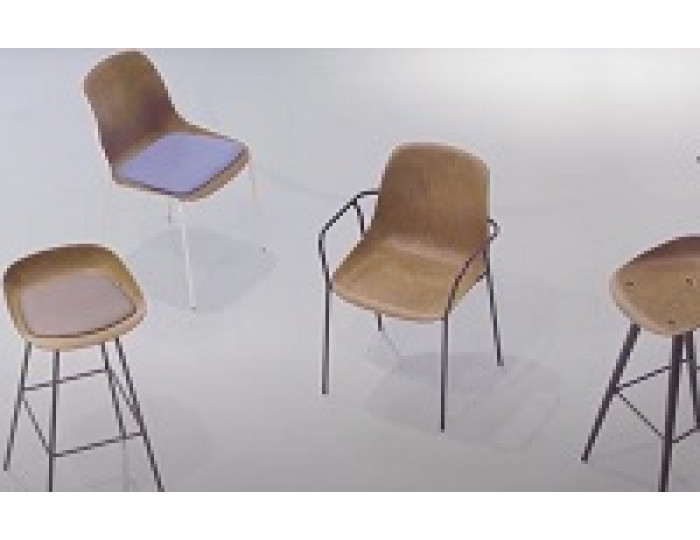
The biological material for the supporting surface of the chair consists of hemp plant fibers treated with a plant-based resin that glues the hemp raw materials into a single structure.
One of Europe's largest industrial hemp growers and processors has teamed up with a Dutch bioplastic developer and furniture manufacturer to create recyclable, carbon-negative furniture made from hemp fiber.
The Dutch company "HempFlax" together with the furniture manufacturer "VepaDrentea" initiated the development of various kinds of furniture from hemp raw materials. In particular, the biological material for the supporting surface of the chair consists of hemp plant fibers treated with a plant-based resin that glues hemp raw materials into a single structure and was developed by the Dutch company Plantics, specializing in the development of technologies for the production of bioplastics and biocomposite materials.

“For years we have been looking for a biomaterial in which the raw materials and binder are not only biological but also recyclable. Therefore, we are incredibly proud that we achieved excellent results after two years of research and that we were the first in the world to create this kind of product, ”says Jeanvillem de Cam, Managing Director of VepaDrentea.
Due to the ability of hemp to capture CO2, VepaDrentea's only hemp chair production process so far absorbs more carbon dioxide than is produced in the final product, making the furniture range inherently carbon-neutral.
Mr. de Cam emphasizes that the new furniture line is "an innovation that makes a special contribution to the company's mission to combat raw material shortages, climate change and emissions of harmful substances into the atmosphere."
According to HempFlax CEO Mark Reinders, “Combining hemp fibers with an organic adhesive made from only natural materials provides an effective replacement for polluting synthetic constituents and could revolutionize many industries seeking to reduce their carbon footprint. As policies that favor cannabis cultivation and processing are gaining momentum in the EU and UN, I am confident that this kind of carbon-neutral technology will take its rightful place at the very heart of the growing circular bioeconomy on the planet. ”