

Exploiting the therapeutic properties of cannabis could cost pharmaceutical companies billions
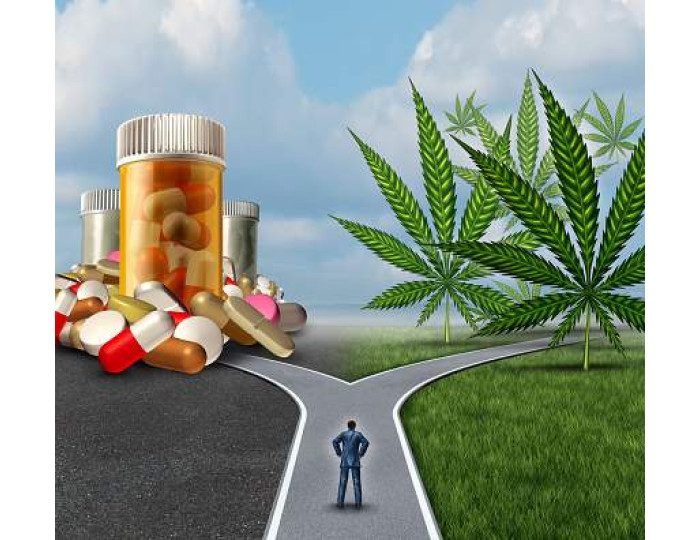
Therapeutic properties of the leaves and inflorescences of primarily therapeutic cannabis is becoming a serious competitor in the pharmaceutical market, which can lead to a reduction in sales of conventional pharmaceuticals by almost 11%.
According to a study from California Polytechnic State University and the University of New Mexico, patient use of the therapeutic properties of cannabis will cost traditional pharmaceutical companies billions of dollars in lost sales as well as share price collapse.
The researchers studied how the stock market performance of publicly traded pharmaceutical companies reacted to laws allowing the legal use of the therapeutic properties of cannabis for medical purposes over a 25-year period from 1996 to 2019. They found that stock market returns were down 1.5% to 2% within 10 days of the regulations being passed, and that financially the impact is in the billions of dollars. This kind of financial loss for pharmaceutical companies is inherent in both generic and well-known brands of drugs. The authors estimate that regulating the use of the therapeutic properties of the hemp plant in just one country reduces the annual sales of pharmaceutical companies by an average of $3 billion.
“Using a dataset and valuation approach new to health policy, we find evidence that investors predict that legal access to the use of cannabis therapeutic properties will significantly reduce sales of conventional pharmaceuticals. The leaves and inflorescences of the therapeutic cannabis plant put significant competitive pressure on both the generic and branded pharmacological drug markets. “This sets the plant apart from the typical mechanism of brand-name drug patent expiration and generic drug entry, which typically only affects one off-patent product and its substitutes. In addition, in some countries, cannabis can be bought without a prescription and grown at home, unlike any other drug.”
Cannabis as a Pharmaceutical Substitute
In their report, the researchers note that previous analyzes have shown that access to the therapeutic properties of the hemp plant significantly reduces the consumption of certain pharmaceuticals, including highly addictive opioids. Previous research shows that regulating the legal ability to use the therapeutic properties of the hemp plant reduces drug use among certain patient groups, such as Medicaid recipients.
The regulation of the possibilities for the legal use of the therapeutic properties of the hemp plant affects pharmaceutical companies due to the huge number of diseases for the treatment of which the leaves and inflorescences of technical hemp can be used for therapeutic purposes. Unlike conventional medicines, which are designed and approved to treat certain conditions, patients use cannabis to treat a range of physical symptoms, such as pain and muscle spasms, as well as mental conditions, including anxiety, depression, and post-traumatic stress disorder.
The authors also cite the high cost of pharmaceuticals as a financial pressure to keep the therapeutically active cannabis leaves and flowers out of the market. Those. as the consumer / patient understands the effectiveness of using hemp raw materials for the treatment of a number of serious, including chronic diseases, he refuses expensive drugs, most of which have significant negative side effects.
In the course of the study, specialists from the above-mentioned universities determined that the therapeutic properties of the leaves and inflorescences of primarily therapeutic technical cannabis are becoming a serious competitor in the pharmaceutical market, which could lead to a reduction in sales of conventional pharmaceuticals by almost 11%. Study co-author Sara Stith of the University of New Mexico's Department of Economics adds that consumer shifts from pharmaceuticals to therapeutically active cannabis leaves and flowers continue to increase despite standardization, health insurance or clear dosage instructions.
“Currently, patients using the therapeutic properties of the hemp plant, as well as their providers, have little information to help find the most effective treatment for their condition,” says Ms. Stith. “The future of cannabis medicine lies in understanding the prevalence and impact of various therapeutically active components of the plant, as well as in determining ways to classify different varieties of cannabis according to measurable characteristics that give certain effects. Mimicking conventional pharmaceuticals through standardization may not be the optimal end result for cannabis, as the inherent variability of the plant itself determines its ability to treat a significant number of diseases.”
In addition to the general findings that regulation of the legitimate use of the therapeutic properties of the hemp plant reduces the market value of publicly traded pharmaceutical companies, the authors of the study found that manufacturers of patent medicines suffered more financially than generic manufacturers.
< Previous article Next article >