

How car corporation BMW plans to use raw hemp
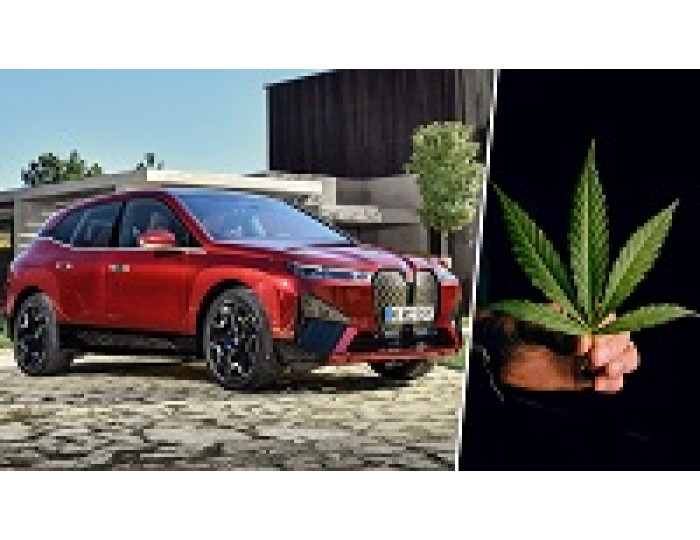
The plant is intended for use in the interior decoration of created car models, primarily in components such as door panels, as a natural fiber reinforcement. Seat upholstery materials are also under development, requiring an “ecological renovation”, while BMW technologists are exploring the possibility of using synthetic fabrics made exclusively from recycled materials or natural ones, primarily made from hemp fibers.
The Bayerische Motoren Werke AG car corporation is more active than most car brands, not only speaking out about the measures taken to reduce carbon dioxide emissions during the production cycle, but also investing significant resources in technologies aimed at using plant materials for the manufacture of its products.
The company's new strategy is mainly focused on the use of new, more environmentally friendly materials, some of which will be recycled, as the brand seeks to use methods of "circular economy" in its production. But it's not just recycling. “The BMW Group believes that only a holistic approach to the use of proven and new materials can permanently reduce CO2 emissions,” the company said in a press statement.
It is for this reason that the BMW Group focuses its research and development on technologies that use environmentally friendly raw materials, primarily of plant origin. At the same time, the company is accelerating the targeted creation of a market for recycled materials and is working with select start-ups and experienced raw material suppliers to develop innovative ideas that are further used in manufactured products. ”
“We are setting new standards for sustainable premium quality - rethinking the need to use non-natural raw materials, with a greater emphasis on resource efficient alternatives and renewable materials with high demountability. We are on a consistent path towards holistic, sustainable product development, responsible resource use and the transition to a circular economy, ”says Dr. Stefan Flock, newly appointed head of BMW development for BMW's Mini and Compact Car range.
Employees of the German automobile corporation have partially disclosed details about some of the materials that the company's technologists are working on. It has been confirmed that the plant is intended for use in the interior decoration of produced car models, primarily in components such as door panels, as a natural fiber reinforcement.
BMW is also working on what it calls “wood foam”. According to the technologists of the auto corporation, it is an "open-cell structure of finely ground wood particles," perhaps similar in spirit to the MDF-style structure. The company's technologists claim that the above-mentioned product will be made from 100% renewable materials and "wood foam" will replace acoustic foam in future car models already created by the corporation.
Seat upholstery materials are also under development, requiring an “ecological renovation”, while BMW technologists are exploring the possibility of using synthetic fabrics made exclusively from recycled materials or natural ones, primarily made from hemp fibers.
Commentary of the specialists of the Association "Ukrainian technical hemp"
Despite the fact that national car companies currently do not show much interest in the country's hemp industry, we can talk about a number of technologies developed in Ukraine, which could become the basis for application in the modern car industry. This refers to experiments on the creation of medium-density fiberboard (MDF) boards, as well as already massively used hemp fabrics, which have not only exclusive mechanical, but also therapeutic properties.
During the round table "Hemp raw materials - technologies of its use in construction, production of biocomposite materials and furniture" held within the framework of the "Hemp University", the audience was already explained the prospects of using hemp raw materials, including in the automotive industry. During the next training course for the students of the Hemp University, a presentation will be made showing the possibilities of using the healing properties of the therapeutic hemp fiber for the production of medical textiles and knitwear, as well as footwear, the possibilities of using other plant components that have medicinal properties in construction, furniture as well as the automotive industry.