

How the coming “minus” of the European hemp market can be turned into a “plus” for national producers
The European market for producers of products containing non-drug cannabinoids is pending a decision by EU government officials on issues related to the possibility of using extracts of non-drug cannabinoids as one of the ingredients used for industrial purposes. In the event that the decision of the relevant EU structures is to equate non-drug cannabinoids with highly dangerous psychotropic substances, this sector of modern cannabis growing in the United Europe will finally establish itself as an outsider in the global hemp market precisely in matters related to the use of extracts of non-drug cannabinoids for industrial purposes. The UK and Switzerland benefit from this decision on the European continent, which plan to continue to use non-drug cannabinoid extracts for non-medical purposes.
In July 2020, news broke for the first time in the media that the European Commission was suspending applications to list cannabidiol in its Novel Foods catalog, saying CBD and other extracts from hemp flowers are likely to be regulated in the same way as highly hazardous psychotropic substances, in accordance with the 1961 Single Convention on Narcotic Drugs. While only the Commission's preliminary findings have been published, the potential consequences of such a decision have shocked the nascent EU drug-free cannabinoid market.
If this kind of preliminary decision of the European Commission is approved, then it would make the existence of the European market for drug-free cannabinoids in its current form extremely problematic. Allowing the use of synthetic cannabinoids while banning the use of plant extracts will essentially destroy the already established European cannabinoid industry based on the leaves and flowers of hemp.

Projected costs of cannabinoid products for citizens of EU countries
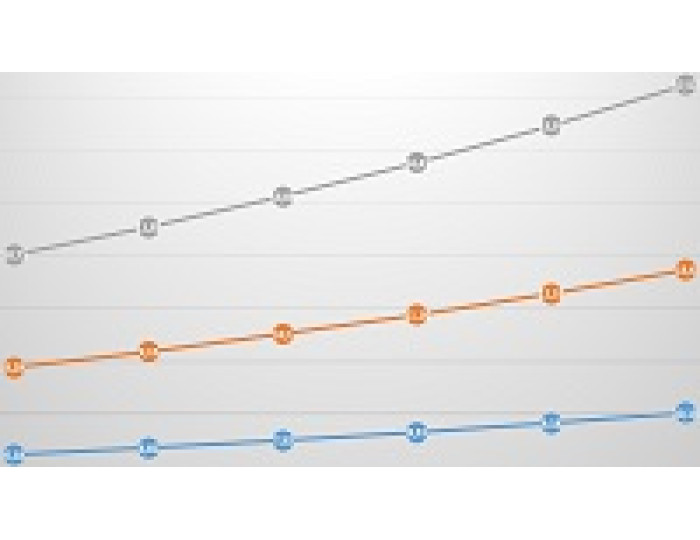
According to a number of experts, despite the fact that the market for drug-free cannabinoids in the European Union has experienced a significant impulse of initial growth over the past few years, it still remains uncompetitive in comparison with similar markets not only in the USA and Canada, but also in individual Asian countries. as well as Latin America. It was expected that annual spending on cannabinoid products in the EU in 2020 will be around € 8.3 billion and, according to forecasts, they could grow at an average annual rate of about 10.4%. However, the adoption as a final decision of the European Commission on equating non-drug cannabinoids with highly dangerous psychotropic substances will actually destroy this sector of modern cannabis production in the EU countries.
New rules for "Novel Foods" and hemp
At the moment, about 30 applications of companies are under consideration in the relevant structures of the EU, for obtaining permits for the introduction of products, which include plant extracts of non-drug cannabinoids, on the European market. Apparently, the decisive factor determining the possibility of allowing sales in the European market is the way of extracting drug-free cannabinoids from various parts of the plant. European officials are not opposed to products containing drug-free cannabinoids extracted from hemp plant fibers and seeds, while the production of drug-free cannabinoids from cannabis leaves and buds is suspended. Despite the fact that in January 2019 the Commission classified cannabidiol as a new food product, its experts have so far concluded that the non-drug cannabinoids extracted from one part of the plant are “Novel Foods”, and from another - a narcotic drug. ...
The situation in selected European countries
The United Kingdom and Ireland represent one of the largest regional markets for drug-free cannabinoids in Europe, with consumers spending around € 1.7 billion annually on products containing drug-free cannabinoids. According to European analysts, by 2025 this market will grow by more than € 1 billion and reach values of € 2.8 billion. Despite the fact that the above countries have their own rules in the field of food, it is possible that the separation of the UK from The EU will open up new opportunities for drug-free cannabinoid producers in this particular market.
Separately, in this matter, it is necessary to consider the position of the government structures of Switzerland. The officials of the aforementioned country are doing everything possible to ensure that all sectors of modern cannabis farming in the country develop as intensively as possible, and therefore they are taking the necessary steps to create the appropriate conditions for effective work of Swiss cannabis growers. Almost always, Swiss officials prepare regulations without paying attention to EU documents, therefore, with a great degree of probability, it can be argued that the innovations taking place in the EU, associated with the impossibility of using extracts of drug-free cannabinoids, will not affect Swiss cannabis growers.
Commentary of experts of the Association "Ukrainian technical hemp"
The European market for producers of products containing non-drug cannabinoids is pending a decision by EU government officials on issues related to the possibility of using extracts of non-drug cannabinoids as one of the ingredients used for industrial purposes. In the event that the decision of the relevant EU structures is to equate non-drug cannabinoids with especially dangerous psychotropic substances, this sector of modern cannabis farming in the United Europe will finally establish itself as an outsider in the global hemp market precisely in matters related to the use of extracts of non-drug cannabinoids for industrial purposes. The UK and Switzerland benefit from this decision on the European continent, which plan to continue to use non-drug cannabinoid extracts for non-medical purposes.
How Ukrainian cannabis growers can benefit from the possible adoption of the final decision by EU officials on equating non-drug cannabinoids with highly dangerous psychotropic substances will be discussed during the 5th course of training for students of the Hemp University, which will take place on October 14-15 at the National University of Bioresources and nature management of Ukraine (Kiev).