

How the operational efficiency of modern cannabis production is increasing
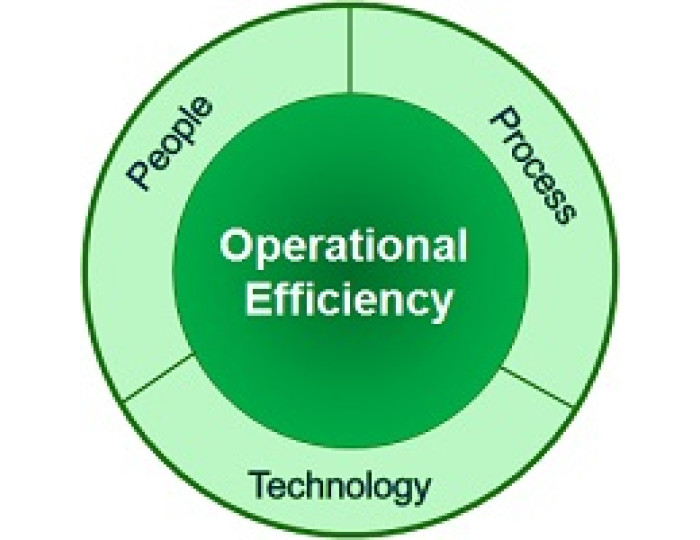
Cannabis growers have not only adapted their operations to the rapidly changing realities of the market, but have also automated a range of technologies to improve the efficiency of the cannabis business. In particular, over the past few years, the United States has phased out some of the low-tech and outdated farming practices that cannabis growers have until recently used to reduce overhead costs.
Cannabis market participants argue that because they have access to multi-season crop / processing / sales analytics, the industry is poised to start using data tracking technology to help make the right decisions about variety selection, cultivation, harvesting, processing, and other important factors that can determine the difference between success or failure in the modern cannabis industry.
According to the specialists of the American company “Hemp Batch Tracker” “People do not realize that agriculture in general is a dataset. If you look at the Farmers' Almanac, it is actually an analog dataset dating back over 200 years. When you plant corn or soybeans, you are referring to historical records, norms and genetics, and there is no data on cannabis. So the only way to get the most effective result is to track and organize the data obtained during cultivation. "
Experts in the American hemp market argue that tracking various aspects of cannabis production can help growers optimize their operations. According to them, “US growers are trying to repeat the same results year after year, and if you do not track data on how the best performance has been achieved, the agricultural grower is at risk of losing some of the resources invested in experimentation every year. Tracking and analyzing past research helps growers find and establish standard operating procedures that maximize profitable production, as well as opportunities to use best agricultural practices. ”
It is noted that many cannabis growers have not only adapted their operations to the rapidly changing realities of the market, but have also automated a number of technologies to improve the efficiency of the cannabis business. Over the past few years, the United States has phased out some of the low-tech and outdated farming practices that cannabis growers have until recently used to reduce overhead costs. For example, instead of using plastic mulch, many US cannabis growers have switched to biomulch, which is made from biodegradable plant materials. A number of agricultural producers use cover crops - clover, mustard and others in order to increase the amount of nitrogen in the soil or to curb the growth of weeds. In addition to being greener options, mulching and cover crop production can lower labor costs by controlling weeds. In addition, enriching the soil with the above approaches can reduce fertilizer use, and mulching helps fields retain moisture, reducing the need for irrigation.
Improving the efficiency of vertically integrated business models
Still evolving supply chains and difficulties in contracting crops have prompted numerous cannabis market participants to vertically integrate their businesses, while simultaneously engaging in agriculture, production, marketing and sales. While trying to “be a jack of all trades” usually does not improve efficiency, manufacturers find ways to reduce costs and be the best at aspects of their operations that are not necessarily within their core competencies. For example, in some regions of the United States, a significant number of hemp plant cultivation enterprises use a cooperative model, in which farmers pool their resources to help reduce costs and strengthen the marketing of their products. Certain companies in the modern hemp industry are already using QR codes, which not only allow product tracking down to the field, but also provide hemp businesses with an easy way to provide additional information to consumers about products, thus significantly facilitating sales.
Commentary of the specialists of the Association "Ukrainian technical hemp"
On the territory of Ukraine, apart from individual enterprises that keep notes on their activities, there is no systematized information on the market that allows tracking the products of national producers “from the field to the counter”. There is no single electronic database that allows the consumer to provide a complete and objective volume of information of interest to him about the purchased hemp product. Problems and prospects of increasing the operational efficiency of national cannabis growers will be discussed during the round table " Associated businesses that ensure the development of modern cannabis growing ", which is being prepared for the students of the 6th course of the "Hemp University" .