

How cannabis will be used to improve water quality
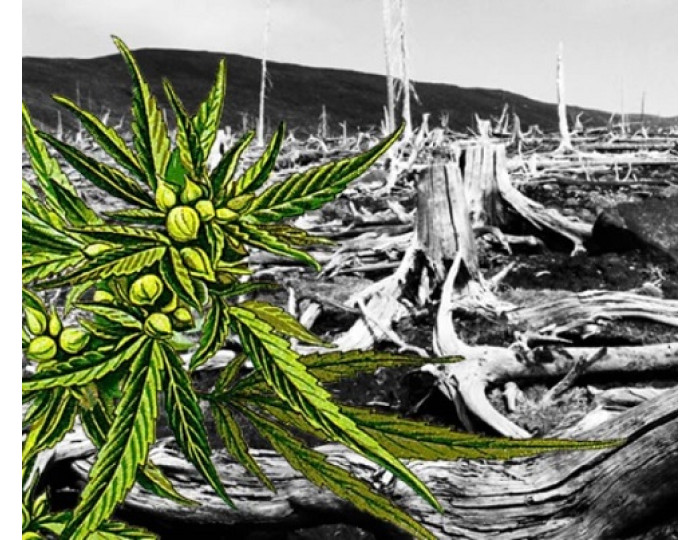
A project to use industrial hemp as a water purifying phytoremediant is funded by USDA resources. In Ukraine, there are national technologies for significantly improving water quality with the help of hemp, used, for example, during the production of the Hemp Oliya line of cosmetic preparations, as well as new cosmetic products developed by Lab Hemp.
Cannabis growers around the world are aware of the phytoremediation properties of the hemp plant. It is no secret that the technology of strengthening the slopes of the shores with the help of hemp. All the more interesting is the information about how the United States plans to comprehensively use the phytoremediation properties of hemp to improve water quality and immediately consider the development of the hemp business in a particular administrative-territorial unit in connection with the appearance of hemp raw materials in the region.
The City of Decatur received a $9,883,117 federal grant from the USDA's Regional Conservation Partnership Program (RCPP) to implement it through the Lake Decatur Water Quality Initiative. initiative).
An ounce of prevention is worth a pound of cure, and this is where industrial cannabis can help, according to federal and municipal officials. Hemp plants grown at high densities and with deep root systems will help stabilize the soil and reduce runoff during rains. Therefore, as part of a pilot project, industrial hemp will be planted in targeted watersheds and on land adjacent to Decatur Lake.
“These efforts will accelerate the development of the hemp industry in the state and demonstrate the positive environmental and economic benefits of the plant. We firmly believe that drug-free hemp can become a viable crop in the US Midwest and be effectively integrated into a farming system that is currently dominated by corn and soy,” the project participants say.
The strategic goal of the project is to reduce up to 50% of soil deposits and 20% of nitrate nitrogen that flows into Decatur Lake annually. Reducing the nitrogen input to the lake is also very important, as high nitrate levels promote algae blooms, which can lead to anoxia of the aquatic environment as the algae die and decompose. In addition, certain types of dying algae are toxic to humans and animals.
Commentary of the specialists of the Association “Ukrainian Industrial Hemp”
Decatur Lake is a 2,800-acre reservoir located in the city of the same name in Illinois. Created in 1920–1922, the lake was built as a source of water for the city. The lake has since developed serious silt problems, requiring costly dredging. Most of this sludge comes from agricultural land in the watershed. In 2018, the City of Decatur completed a four-year dredging operation that increased the lake's capacity by 30%, so the initiative to keep soil out of the lake with industrial hemp is both an effective prevention tool and the backbone of the region's nascent hemp industry.
I would like to emphasize that the project on the use of industrial hemp as a water purification phytoremediant is funded by resources allocated by the US Department of Agriculture. We especially focus on the fact that in Ukraine there are national technologies for significantly improving water quality using hemp, which are used, for example, during the production of the Hemp Oliya line of cosmetic preparations, as well as new cosmetic products developed by Lab Hemp.
< Previous article Next article >