

Cannabis is almost as addictive in teens as opioids
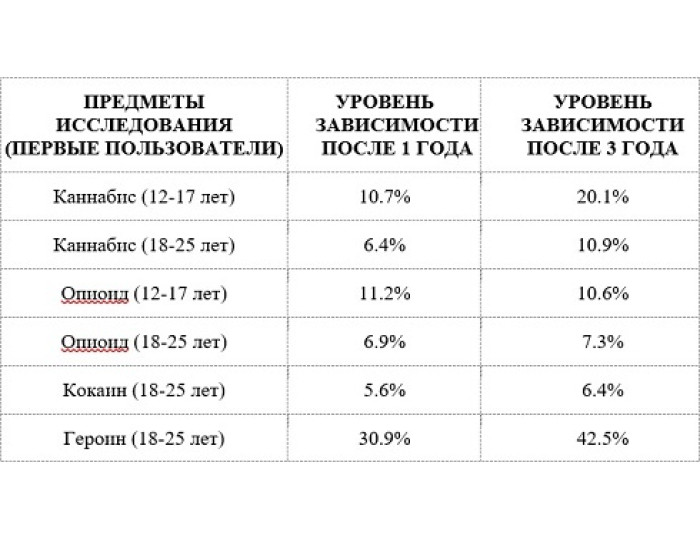
One year after the first attempt at using cannabis, nearly 10.7% of adolescents aged 12 to 17 met the criteria for addiction. According to a study published in JAMA Pediatrics, those in the same age group who tried prescription opioids had a similar addiction rate of 11.2%.
On the pages of the specialized electronic edition of Ukrainian cannabis growers, attention has already been focused on the officially published " Recommendations of US physicians on the use of therapeutic components of cannabis”. It was pointed out that as early as 2017, the American Journal of Public Health argued that “Early initiation of the psychoactive constituents of cannabis (i.e., most prominently, one that begins before age 16) is associated with multiple consequent adverse health outcomes for the consumer and society. In young age. These effects are especially pronounced in users who use psychoactive constituents of the plant in childhood. In part, this may be due to the fact that frequent use of the psychoactive constituents of cannabis affects the developing brain. " The studies that formed the basis for the published findings of American physicians in 2017 are confirmed by new experiments that confirm the fact that cannabis is almost as addictive in adolescents as opioids. Considering that such research is impossible in our country, we publish the data that are posted on the pages of the monthly peer-reviewed medical journal JAMA Pediatrics, published by the American Medical Association. In order not to raise unnecessary questions from cannabis companies, at the bottom of the article we give a link to similar materials published in Blumberg.
According to a new study on drugs and youth, adolescent cannabis addiction is about the same as prescription opioid addiction.
One year after the first attempt at using cannabis, nearly 10.7% of adolescents aged 12 to 17 met the criteria for addiction. According to a study published in JAMA Pediatrics, those in the same age group who tried prescription opioids had a similar addiction rate of 11.2%.
The findings contradict the widely held belief that cannabis (cannabis varieties that contain significant amounts of controlled tetrahydrocannabinol - editor's note) are not highly addictive and may gain attention amid widespread efforts to liberalize use. According to Nora Volkov, author of the study and current director of the US National Institute on Drug Abuse, the level of addiction was significant, especially given that adolescent brains are still developing.

For teens who are experimenting with cannabis, the risk is real: “One in ten teens are addicted to marijuana - this is enormous,” says Ms Volkov. Cannabis use also gives young people a better chance of becoming addicted to other drugs, she said.
The study found that if users were younger when they first tried cannabis and other drugs, they were more likely to become addicted. Among those in the 18 to 25 age range, only 6.4% developed an addiction one year after their first cannabis use - about half that of the younger age group. According to the study, in the 18-25 age group, the level of opioid dependence was similar to the level of dependence on marijuana one year later. The level of cocaine addiction was slightly lower.
Emily Einstein, one of the study's authors, argues that the rise in cannabis activity in recent years may help explain higher levels of addiction. She cited separate findings from the study, which show that higher THC levels of marijuana are more addictive.
This study is based on data collected from national surveys conducted by the US Department of Health and Human Services between 2015 and 2018.
Commentary of the specialists of the Association "Ukrainian technical hemp"
One of the cornerstones of the creation of therapeutic varieties of technical hemp was the data that tetrahydrocannabinol (THC) can not only negatively affect the human body, but also the fact that other therapeutically active constituents of plants spend a significant part of their properties on compensating for the negative effects of THC. on the organism of the plant itself (THC is a decay product of cannabinoids, and has a negative effect on the state of the plant itself. This explains the significant medicinal advantages of varieties of technical hemp of therapeutic orientation of national selection in comparison with both foreign cannabis-free varieties and plants with significant therapeutic properties. During the round table “ Problems and prospects of the use of therapeutically active elements of hemp as a basis for nutraceuticals, medicinal cosmetics, animal feed or other products with healing properties of the plant ”, During the training of the students of the 6th stream of “ Hemp University ”, the emphasis will be placed on the advantages of using the “green mass” of the hemp plant for industrial purposes, including methods that exclude extraction.
In connection with the outbreak of COVID 19 and the quarantine announced in connection with this in Kiev, training will be conducted using a secure and fully virtualized Cisco WebEx Meetings web conferencing solution. A link will be sent to the registered listeners by e-mail to participate in the event remotely.