

When to wait for representatives of the Ukrainian greenhouse business to enter the hemp market
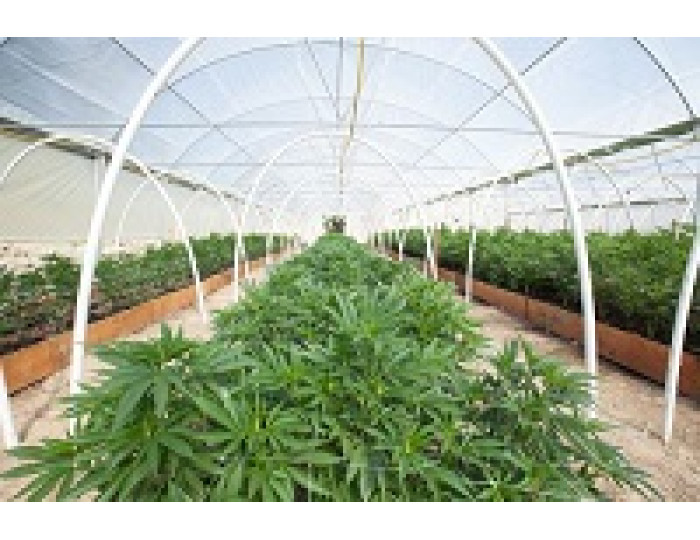
Large greenhouse producers in economically developed countries are actively entering the hemp market because they are looking for higher-margin crops compared to the income they receive from traditional greenhouse products and ornamental plants. At the moment, on the hemp market of Ukraine, only certain trends are observed, indicating the interest of representatives of the greenhouse business in the cultivation of cannabis. This is primarily due to the fact that while in Ukraine there is no appropriate regulatory framework, it is premature to talk about the advisability of greenhouse cultivation of hemp in our country.
In the United States, interest in the cultivation / processing / sales of hemp is rapidly growing, so manufacturers of literally all sectors of the country's economy are actively exploring opportunities to enter the hemp market, primarily considering this crop as an alternative to plants traditionally cultivated in greenhouse conditions.
According to surveys conducted in 2019, approximately 13% of the 100 leading American greenhouse companies plan to engage in hemp breeding in the near future. Such moods of the main players in the greenhouse market in the USA in the short term may lead to the arrival of large competitors in the hemp industry, which until recently were engaged in less marginal crops. It should be noted that for the American market, which is dominated by small farmers and private producers, such trends give reason to seriously think about the further direction of development of the hemp business they develop.
In addition, this kind of "transitions" of greenhouses to the hemp market may mean an increase in prices for traditional crops grown in greenhouses. For example, if the producers of tomatoes or berries "go" to the hemp business, the supply volumes of these products will decrease, which will naturally lead to an increase in value in the markets of the aforementioned agricultural products.
According to several of the largest representatives of the greenhouse business in the United States, their experience in growing and propagating maternal forms of plants cultivated in the greenhouse, large-scale, high-quality production of elite varieties that meet all environmental standards requirements, initially provides them with significant competitive advantages in this market. For example, according to the owner and founder of the tissue culture laboratory in California, Heather Hunter May, “Hemp growers regularly contact me who want to get clones of popular hemp varieties or order genetic research in specific hemp business areas.”
Some representatives of companies specializing in the cultivation of decorative products claim that they also plan to produce hemp clones in the offseason in order to complement them with the line of main crops produced. However, the management of these companies at the moment do not want publicity in this matter, because due to the present negative image of cannabis, they are afraid to lose business contacts with their partners, as well as current retail customers, gained during the work on their main crops.
The "transition" of one of the largest players in the American greenhouse business to hemp, which in May 2019 transferred a significant part of the 46 hectares of annual greenhouse production from the ornamental plant market to cannabis clearly made the main players on the market alert. A representative of another company, in a conversation with reporters, said that "he would not be surprised to see how most of the largest players in the greenhouse industry convert a significant part of their greenhouse capacities into hemp production." In turn, the results of the studies demonstrate that 41% of large greenhouse farms owned by people over the age of 55 consider the possibility of selling their business to representatives of hemp sector companies.
Commentary of the Ukrainian Technical Hemp Association
Color Point sold its 33.4-hectare greenhouse facility in Illinois to Red White & Bloom, a cannabis manufacturer, and completely converted its Kentucky-owned production facilities over 16 hectares to grow certain cannabisa varieties. In addition, Color Point teamed up with cannabis producer AgTech Scientific to form a vertically integrated cannabis company with commercial production of products containing a significant amount of CBD. It is planned that already in August 2019, the aforementioned project will be officially launched.
The Canadian vegetable producer Village Farms, which operates in several US states and processes a quarter of its products in Texas, is "converting" its own production from greenhouse vegetables to hemp. Village Farms already legally grows both technical and medical cannabis in Canada, so since the beginning of 2019, the company has initiated work aimed at “transferring” Texas greenhouses to the needs of hemp.
Rancho Tissue Technologies has announced that it will offer the hemp market in the United States tissue cutting, micro-cutting, and growing services for interested clone producers. The company's greenhouses with an area of about 0.5 hectares are one of the largest in the market of succulent plants in the USA and work with various crops - from ornamental plants to berries. Representatives of the company also announced that they will create a seed bank for possible work on the selection of new hemp varieties.
The 24-hectare Skagit Horticulture greenhouse plans to introduce hemp in parallel with 2 billion seedlings of vegetables and flowers grown annually.
Large greenhouse producers in economically developed countries are actively entering the hemp market because they are looking for higher margin crops compared to the income they receive from traditional greenhouse products and ornamental plants. At the moment, on the hemp market of Ukraine, only certain trends are observed, indicating the interest of representatives of the greenhouse business in growing cannabis. This is primarily due to the fact that while in Ukraine there is no appropriate regulatory framework, it is premature to talk about the advisability of greenhouse cultivation of hemp in our country.