

Hemp is an effective alternative to fossil fuels
Business representatives are clearly aware of the potential of the industry and the need to restore this area of modern business. Cannabis biofuels can change the economy based on oil and create a sustainable source of energy that is not only efficient, but also environmentally friendly.
The Earth is increasingly under the influence of powerful stresses, experiencing the increasingly pronounced effects of climate change. Fossil energy materials are undoubtedly one of the most important reasons for the changing climatic conditions of the planet. In addition, it is necessary to take into account the fact that the problem with the possibility / cost of using fossil fuels is increasing every year. As prices in the energy market continue to grow, and demand increases, many leading analysts working in this field predict that crude oil reserves will be consumed in the near future.Unfortunately, crude oil is not a renewable resource and will eventually disappear forever. Some experts specializing in issues related to fossil fuels believe that after nearly 150 years of drilling and fracking, oil production has already reached a peak. Given all the above factors, in the short term, fossil raw materials should be found effective replacement.
Oil fuels displaced by biofuels
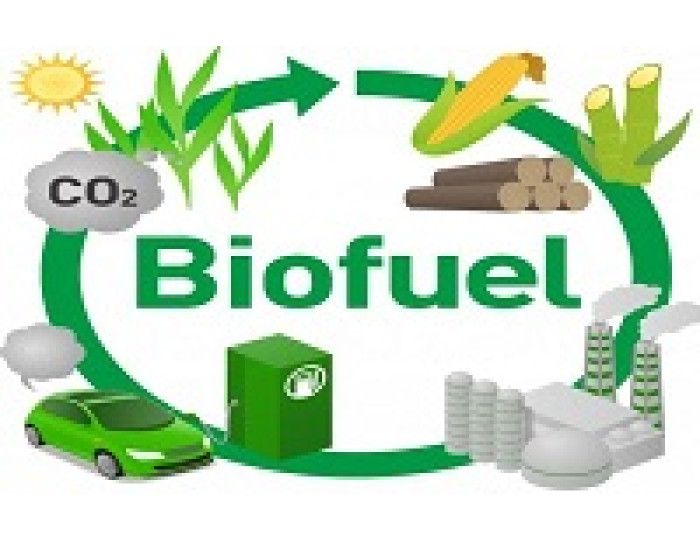
Biofuels could be a solution to the above problem, but what could be the consequences of replacing fossil fuels with fuel, including on the basis of renewable natural resources?
Henry Ford was the first automaker, whose cars could operate on biofuel from hemp raw materials. His Model T (also called "Tin Lizzy") worked on gasoline or hemp-based fuels. Even before the discovery of large oil fields in the early 20th century, ideas were expressed for creating a sustainable plant-based fuel business in the interests of the automotive industry. Fuel made on the basis of renewable plant materials is a valuable and more environmentally friendly resource, which has a huge number of advantages compared to fossil raw materials.
Hemp-based biofuels outperform conventional gasoline / diesel in many ways. Hemp oil burns without causing significant harm to the environment, i.e. carbon dioxide is not formed. The use of hemp oil as a biofuel eliminates the possibility of the formation of acid rain, which contain elements that are deadly to the human body. In addition, during the combustion of hemp oil, a significantly smaller amount of carbon black is formed, and harmful aromatic substances or benzenes do not appear. In addition, fuel made on the basis of hemp is biodegradable, as it does not damage either the ground or the groundwater. Biodiesel does not appear on the list of dangerous goods, since the risk of an explosion at a flashpoint of around 170 ° C is extremely low. Accordingly, the transportation of this type of fuel to the places of its wholesale / retail trade is much cheaper than the traditional types of delivery of gasoline / diesel to the consumer.
One of the main benefits of hemp-based biofuels
One of the main advantages of using plants as a raw material for biofuels is the fact that hemp can grow not on fertile soils and on so-called marginal lands. This means that the hemp plant does not have to be grown on arable land and does not affect the food supply of the population.
Land use for biofuels
For the production of biofuels on all continents, various crops are grown, depending on the geographical characteristics of the region, including maize and soybeans (USA), sugar beets and cane sugar (South America), palm oil (Asia) and canola (Europe). In order for this type of business to be economically viable, the crops of the above plants need large areas of fertile soil. For example, to this end, tropical forests are being destroyed in South America to grow energy crops. In these regions, forest losses have reached unprecedented proportions and destroyed the habitat of countless endangered animal and plant species.
Soil detoxification by growing cannabis
Excessive use of chemicals in modern agricultural production (insecticides, fungicides, herbicides, etc.) in many cases has a negative impact on the soil and water, which also affects all crops that will be grown subsequently on lands exposed to various chemicals . Pesticide residues used in agriculture are ubiquitous in various foods, water, wine, fruit juices, animal feed, and even in breast milk, scientists find pesticide residues.
Exposure to pesticides often adversely affects skin contact (cosmetics), ingestion by mouth (fruits, vegetables, fluids) and inhalation (air) into the body. As endocrine disruptors, these chemicals can mimic the human hormones estrogen and testosterone and inhibit the production and metabolism of natural hormones. The growth of autism and attention deficit hyperactivity disorder, as well as the incidence of diseases of oncological diseases are also associated with a large number of pesticides that enter the body of modern man.
Hemp - a natural toxin sponge
The plant is actively used in the economically developed countries of the world for the biological recovery of soil, including from toxic pollution. In fact, hemp as a phytoremediate "pulls" toxins from the ground - like a sponge. Farmers in the troubled agricultural regions of the world grow cannabis in order to restore unsuitable for farming or exposed to the negative impact of the field. In Ukraine, there is an experience of using cannabis to remove heavy metals produced during the accident at the Chernobyl nuclear power plant on lands affected by man-made disasters. Studies have shown that cannabis, among other things, can effectively absorb cadmium from the soil, as well as a wide range of toxins, including metals, pesticides, crude oil, and landfill pollutants. Although hemp grown to detoxify the soil cannot be used for human consumption in the future, collected toxic plants can be used as biofuels.
High biofuel efficiency
Researchers at the University of Connecticut have found that technical hemp seeds can be used to produce environmentally friendly diesel fuel. Two types of biofuel can be produced from this raw material:
- Hemp biodiesel (can be used in any conventional diesel engine);
- ethanol or methanol.
Commentary of the Association "Ukrainian technical hemp"
As a carbon neutral resource, hemp absorbs carbon dioxide extremely quickly (faster than trees). In addition, carbon dioxide emissions from biodiesel are reabsorbed during photosynthesis in the plant. A hemp plant can not only remove toxins from the soil, but also CO2 from the air we breathe.
When growing cannabis, about 70% of the necessary nutrients are returned to the soil, so this crop requires much less fertilizer than other agricultural plants. Less fertilizer means including cleaner water for the growing region. Creating a renewable resource that makes the soil healthy, removes toxins from the soil, air and water, and at the same time provides a viable source of energy, may sound like the dream of any agricultural producer.
It must be borne in mind that the necessary infrastructure for the production of biofuels from hemp is not currently created. Business representatives are clearly aware of the potential of the industry and the need to restore this area of modern business. Cannabis biofuels can change the economy based on oil and create a sustainable source of energy that is not only efficient, but also environmentally friendly.