

Cannabis in animal / poultry feed in the USA
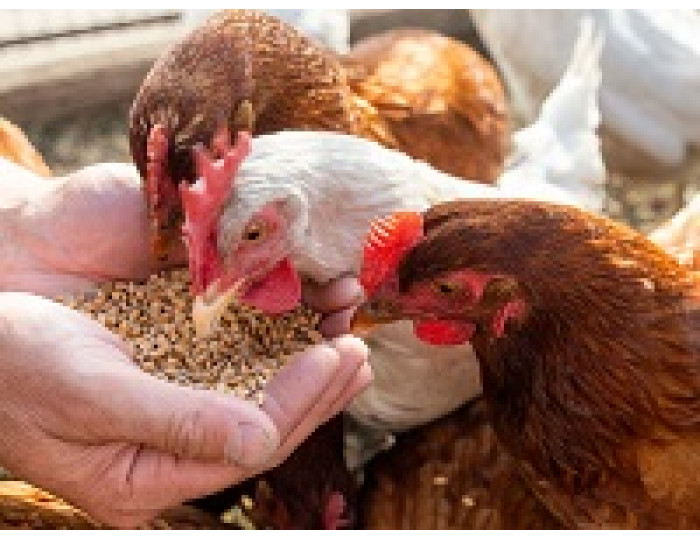
Chickens are fed 20% hemp meal, which is why their products contain more omega-3, 6; vitamins B12, B2, B5, E; biotin, choline and selenium than conventional products.
On the pages of the specialized electronic edition of Ukrainian cannabis growers, the piquancy of the situation that exists in certain economically developed countries has already been described, when people can use products made from various components of the hemp plant, and the use of various parts of hemp for the preparation of animal feed is prohibited. How carefully the governments of civilized countries pay attention to what they feed pets and the experience of regulating the use of cannabis for feeding poultry in the United States is described in this material.
At the moment, in the United States, citizens of the country can legally use various kinds of products prepared using hemp, however, it is prohibited to eat meat or eggs of animals / poultry in the feed of which various hemp ingredients were used. The absurdity of the current situation leads to the fact that the interested parties of hemp growers, hemp processors, as well as companies that understand the feasibility of using hemp raw materials for the manufacture of feed, unite in various kinds of public organizations seeking to obtain federal permission to use various components of hemp, as well as its derivatives as source of commercial animal feed.
In particular, one such community organization has applied for approval of the use of individual hemp ingredients in the preparation of animal / poultry feeds to the Association of American Feed Control Officials (AAFCO), as well as the Veterinary Center. Medicine of the United States Food and Drug Administration (FDA-CVM). If the application is approved, the lawful use of hemp flour, as well as oil cake, as a commercial feed for fattening laying hens, will be allowed on the territory of the country.
The application was the culmination of two years of stakeholder work that included research on the ingredients of hemp seed meal and flour, and clinical trials to demonstrate the safety and efficacy of the raw material in poultry for future use as food. In particular, Hunter Buffington, one of the organizers of the process aimed at regulating the use of cannabis as feed for animals / poultry, focused the attention of those present at the World Agriculture Exhibition 2021 that “Removing such restrictions will be one of the greatest opportunities for the industry, as well as A great way to support farmers in ancillary markets such as livestock or poultry is by commercializing nutritious and highly beneficial by-products that are produced when the various constituents of the hemp plant are processed. Early efforts are focusing on hemp flour and oil cake as a trial step in this kind of action, as a huge amount of this material is idle in farmers' warehouses as a by-product from the production of food for people from the production of hemp oil. If you look at the composition of nutrients, there is no reason not to use pomace or flour obtained during the extraction of hemp oil for feeding animals or poultry. However, US regulators need data from US producers, not their counterparts in other countries who have been feeding these feeds for long periods of time to animals or poultry. ”
In order to meet the stringent safety and efficacy standards set by the FDA's Veterinary Medicine Center, representatives from the hemp industry from all over the country have presented certificates of analysis for cake and flour derived from local hemp seeds. ... This fulfills the requirement of US government agencies, according to which research can be carried out exclusively on raw materials produced in the country.
The next step in going through the appropriate procedures prescribed by the FDA-CVM is to conduct clinical trials of feeds made from hemp cake and flour in order to demonstrate their safety and effectiveness. The approval process for animal feed ingredients typically takes up to four years, but the AAFCO and FDA-CVM have pledged to speed it up and said they could reduce the time to go through these procedures by up to 18-24 months.
Despite the aforementioned difficulties in feeding "domestic animals" with hemp grain and its derivatives, individual farmers are not waiting for permission from federal regulators to sell eggs from hemp-fed chickens. For example, central Pennsylvania-based egg and dairy producer Kreider Farms added hemp eggs to its Chiques Creek brand in December 2020. Kreider Farms claim that they feed their chickens with 20% hemp flour, which is why their products contain more omega-3, 6; vitamins B12, B2, B5, E; biotin, choline and selenium than similar products produced in the traditional way.
Commentary of the specialists of the Association "Ukrainian technical hemp"
San Francisco-based research and consulting firm Grand View Research predicts that the pet food market will surpass $ 415 billion by 2023, up from $ 336 billion in 2017. By 2027, the segment of seeds and grains of industrial hemp may grow by almost 20% and the niche related to animal care will grow by at least 10%. According to the US Department of Agriculture, the country currently produces 190 million tons of animal feed annually, and the competitive grain prices demonstrated by Canadian cannabis growers suggest that American agricultural producers produce hemp grains at a minimal price, which would be expedient to use, including for feeding domestic animals and birds.
During the round table " Problems and prospects of the use of therapeutically active elements of hemp as a basis for nutraceuticals, medicinal cosmetics, animal feed or other products with the healing properties of a plant " held as part of the training of the 6th stream of students of the " Hemp University " a separate panel will be is devoted to the possibilities of using hemp raw materials in the pet business. In particular, a separate presentation reveals “ National experience of using the leaves and inflorescences of industrial hemp as raw materials for fattening domestic animals and poultry ”.