

Hemp drinks in the US - a new, booming market
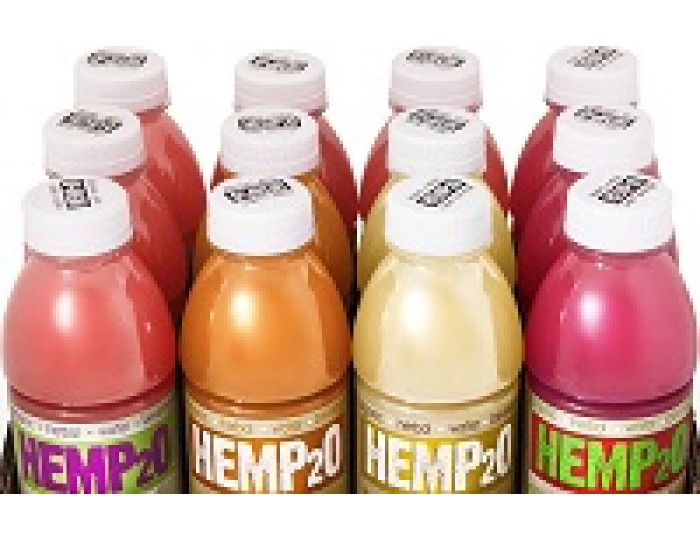
Just as cannabinoids are a way for cannabis companies to present their products to a wider audience, companies producing alcoholic beverages view cannabis raw materials as a way to gain access to the main consumers of the market. Young buyers demand modern flavors from products on the market, and many tend to avoid alcohol, especially beer. Drinks made on the basis of the biological properties of hemp are one of the most effective ways to attract new consumers who are not interested in using the plant in other ways (food, cosmetic preparations, etc.).
In the summer of 2019 in the American San Francisco, the Beverage Trade Network organizes the country's first Cannabis Drinks Expo exhibition, during which recipes for various cannabis drinks will be discussed (market size is expected to reach $ 1.4 billion by 2023 according to Zenith Global). If we compare the same indicator of 2018 in $ 89 million, the growth is impressive.
A wide range of beverage manufacturers introduce various cannabinoids into the composition of products introduced to the market, including them in various concentrations and combinations, into all types of beverages - tea, sweet water, cider, wine, beer, etc. For example, the winery Rebel Coast already offers on the market a non-alcoholic wine with a concentration of 5 mg of tetrahydrocannabinol (THC) in the glass of its product. MJ Wines has introduced hemp ingredients in energy drinks, coffee, wine, and is currently working on the recipe for hemp beer. An American brand like Recess has already produced and successfully sells cannabis soda water on the American market, and California Dreamin'of offers its customers fruit juices containing up to 10 mg of THC.
The basis of the advertising and marketing companies of the above-mentioned American companies is the positioning of cannabis drinking products as healthy drinks, the use of which provides an opportunity to improve their well-being. A significant number of manufacturers orient their products to people who "want to wake up" or are looking for a way to "relax." The Mood33 brochure promises an “individual aromatherapy session” in each bottle of Selter water produced by them, the recipe of which includes trace amounts of THC, various herbs, flowers and fruits. Heineken has already “brought” to the American market a carbonated drink from hemp called Lagunitas Hi-Fi Hops. This low-alcohol beverage is similar to beer - it has a lot of hops and cannabinoids, but it does not contain alcohol, it has a minimum amount of calories and carbohydrates. In January 2019, the New Age Beverage organic beverage company launched the Marley + CBD Mellow Mood as a relaxation drink. Each serving of this drink includes up to 25 mg of cannabidiol (CBD).
The problem for large food brands is that hemp is still listed at the federal level on the List of Especially Dangerous Drugs, the circulation of which is prohibited. It is this fact that still discourages individual brands from working with hemp raw materials. This nuance also complicates the development of hemp drinks in companies that have decided to work with hemp, because they depend on individual rules and restrictions provided for by each US administrative unit in relation to cannabinoids. For example, the rules for labeling, spilling and even the concentration of biologically active substances vary from state to state, making it difficult to create a single hemp brand for the whole country.
As a negative, it is necessary to note the specific smell of the plant, which is poorly combined with fruit flavors or any other water-based liquid (due to the fact that THC and CBD are insoluble in water). This is one of the reasons why many hemp drinks have a specific taste of lemon, ginger (some companies add a lot of sugar or fruit juice to recipes). For example, one of the Canadian companies decided to brew beer directly from the "green mass of hemp", rather than add the product to the recipe.
Among other things, the regulatory legal act adopted at the end of 2018 legalized the possibility of cultivating technical cannabis in the United States, as well as the use of cannabinoids and their derivatives (including extracts), allows beverages saturated with cannabinoids to receive nationwide support. Thus, brands that use cannabis will be able to increase awareness and loyalty in anticipation of the abolition of various administrative restrictions related to cannabis in the near future.
Meanwhile, the US alcohol industry is still deciding whether hemp is a threat or an opportunity. Such large alcohol companies like Heineken are investing enormous resources in the development of this fast-growing business sector. Constellation Brands, a producer of wine, alcoholic beverages and beer, invested $ 4 billion in Canopy Growth, AB InBev invested $ 50 million in a joint venture with Canadian Tilray which is actively exploring the use of cannabinoids in soft drinks.
Comment Association "Ukrainian technical hemp"
Just as cannabinoids are a way for cannabis companies to present their products to a wider audience, companies producing alcoholic beverages view cannabis raw materials as a way to gain access to the main consumers of the market. Young buyers demand modern flavors from products on the market, and many tend to avoid alcohol, especially beer. Drinks made on the basis of the biological properties of hemp are one of the most effective ways to attract new consumers who are not interested in using the plant in other ways (food, cosmetic preparations, etc.).
In addition, hemp drinks have a fairly substantial earnings margin, so their production and sale is an extremely profitable enterprise, but consumers are ready to use a rather expensive product with healing properties and excellent taste.