

A brief analysis of the Chinese hemp market
Technological chains of hemp fiber production in China cannot be repeated in the USA, Canada or in the EU. Productions located outside of China cannot afford to handle significant amounts of hemp trusts by soaking the plants in nearby reservoirs. In addition, European and North American manufactures cannot afford to use as much manual labor as can be done in China.
With more than 6,000 years of cannabisa cultivation, China is the world leader in the cultivation, processing, production and export of hemp products. Until recently, about half of the global area of industrial crops of technical hemp was cultivated in the country, and China “staked out” about half of the world's patents in any way associated with a hemp plant. In 2017, sales of hemp products only in the domestic market of China were estimated at $ 1.1 billion, which at that time accounted for more than a third of the total global market.
China is home to the world's largest textile industry, the raw material for which is hemp fiber. Industry experts expect that in the near future, hemp fiber, which is already a worthy part of the country's textile market, will replace a significant share of the cotton market in the domestic market and related sectors of the Heavenly Empire. In addition, Chinese hemp textiles and knitwear have significant export potential, which the Heavenly Empire enterprises are actively implementing.
Despite the absence of a national regulatory framework governing the cultivation and processing of cannabis throughout the country, two provinces (Yunnan and Heilongjiang) adopted rules according to which technical hemp (with a low TGC content) at the level of regulatory documents of the provincial governments was “divided” with psychoactive cannabis. It is this nuance of the “local legislation” that allows to grow, process and sell low-narcotic hemp in these territories. In Yunnan province (located in the south of China), regulation of the hempless hemp market began in 2003, in the northeastern Heilongjiang province, in 2016. Despite the fact that in many other administrative-territorial units there is no regulatory support for industrial hemp crops, There are industrial enterprises specializing in the cultivation and processing of plants in Inner Mongolia, Shanxi, Anhui, Jilin, Guangxi, Guizhou and some others. The official data of 2017 state that cannabis was cultivated in an area of 45.7 thousand hectares in the country, but according to experts, the total area under crops reached about 81 thousand hectares.
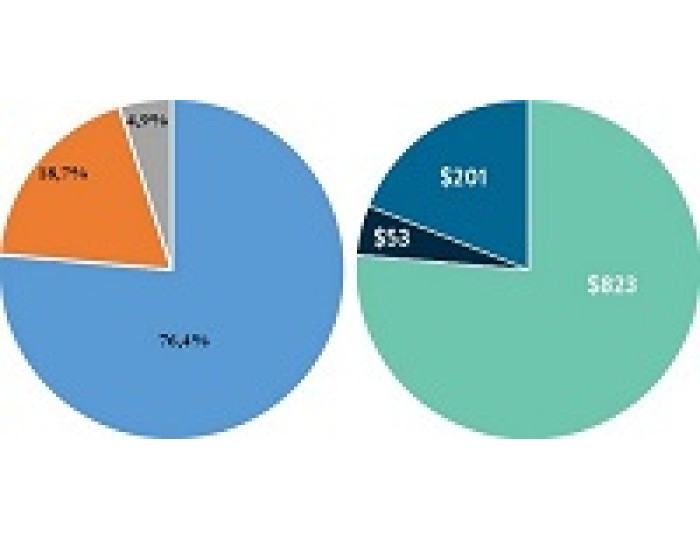
At the moment, with a large margin from other hemp plants, the textile industry is the largest market for hemp products in both the domestic and foreign markets. In 2017, the Chinese market for hemp fiber products accounted for about 76% of sales of $ 823 million. China’s dominance in the extremely labor-intensive market for the production of textile and knit hemp fiber products is due to its enormous and relatively inexpensive labor resources. Another key reason is the lack of compliance with environmental and labor standards inherent in other economically developed countries.These factors allow Chinese companies to compete in the global market for hemp products.
For example, according to American businessman Matt McClain (Matt McClain) “Hemp production is not the most environmentally friendly. Technological chains of hemp fiber production in China cannot be repeated in the USA, Canada or in the EU. Productions located outside of China cannot afford to handle significant amounts of hemp trusts by soaking the plants in nearby reservoirs. In addition, European and North American manufactures cannot afford to use as much manual labor as can be done in China. ”
At the moment, China has a strong and extensive infrastructure for the production of textiles and knitwear, so other economically developed countries cannot yet compete with the processing facilities created in the Land of the Rising Sun. In each case, the creation of competitive production facilities specializing in the production of textiles or knitwear in Europe, the USA or Canada, you must have financial resources in the range of $ 25-30 million in order to create vertically integrated enterprises within one particular region.


Food products based on hemp ingredients account for about 7% (about $ 75 million) of all consumer sales of China's hemp market in 2017. Most food products are made from hemp seeds, which are legal raw materials in the country. Biologically active, feed additives, personal care products and other consumer goods based on hemp raw materials make up a little more than 8% of all sales of cannabis in 2017 (about $ 90 million), while industrial use of cannabis makes up about 3% of the market ( $ 36 million). China's cannabidiol market in 2017 is estimated at $ 53 million.