

A brief analysis of the current state of individual segments of the CBD market in Europe
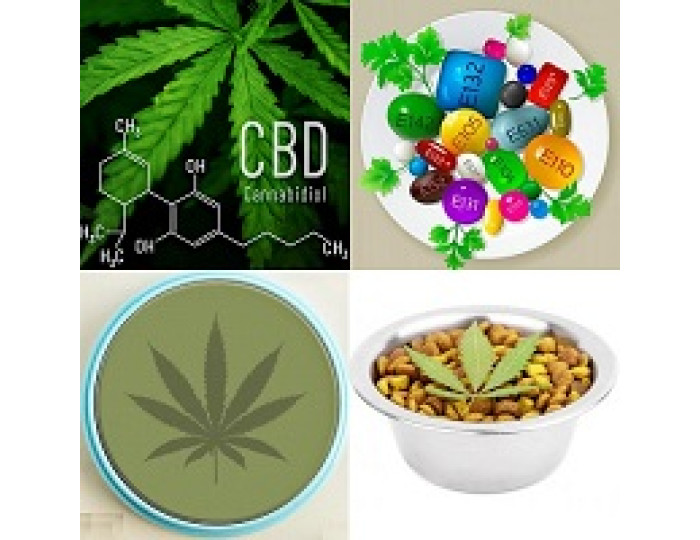
In Italy, the permissible daily intake of hemp products containing tetrahydrocannabinol should not exceed 1 microgram per kilogram of body weight, while in Switzerland this figure is 7, in the US 13, and in Canada 14.
According to a number of analysts and specialists from consulting companies specializing in the analysis of the CBD market in Europe, this segment of modern cannabis production in the “Old Continent” is growing rapidly and effectively attracts large investors, primarily to the markets of food, cosmetics and pet food, which include cannabidiol of plant origin is included. To understand the fundamental foundations of this market, the editors of the specialized electronic publication of national cannabis growers invited the specialists of the information and analytical platform Hemp Consulting to explain the features of the European CBD market in a thesis in order to understand how national hemp raw materials of appropriate quality can be sold to the markets of our neighboring countries. European countries, as well as which products, cosmetic preparations, and feed additives from the EU have already appeared or will appear on the national market in the near future. The information provided by the specialists of the information and analytical platform "Hemp Consulting" at the request of its authors is published without any editorial changes or changes.
Maximum Allowable Amount of Tetrahydrocannabinol
It is necessary to understand initially that in cases where natural cannabidiol (CBD) is used in the formulation of food (including food additives), cosmetics or feed additives for animals, it is almost impossible to “cleanse” hemp raw materials even from a trace amount of tetrahydrocannabinol ( THC). That is why in the EU countries, at the level of national regulatory legal acts, the maximum allowable amount of THC that can be contained in the final product is provided. Unfortunately, there is currently no single approach to this indicator in the EU. For example, in Italy, the permissible daily consumption of hemp products containing THC should not exceed 1 microgram per kilogram of body weight, while in Switzerland this figure is 7, in the US 13, and in Canada 14. However, a positive element of this segment of the EU market is that that practically in all countries of the "Old Continent" tables have been developed, which indicate the maximum allowable amount of THC in the final products (hemp oil, flour, etc.), which makes it possible to effectively use the leaves and inflorescences of therapeutic hemp grown in our country for the manufacture of almost the entire range of goods that are allowed for production and sale in the EU.
Nutritional supplements
Cannabidiol extracts are not allowed to be sold as a dietary supplement in the EU. In order to market a food supplement that contains CBD, evidence of its toxicological safety must be provided. Those. CBD extracts sold as a dietary supplement must undergo costly expertise and approvals from the relevant government agencies to be sold as a “new food”. Despite the fact that several companies in the EU have submitted the relevant documents to obtain the status of "new food" for hemp food additives produced by them, at the moment this procedure is extremely slow and ineffective. Therefore, there is virtually no legal market for hemp food supplements in the EU market that contains plant-based cannabidiol.
Cannabinoid cosmetics
The development of the market for “cannabinoid cosmetics” started off extremely hard. It was only in April 2019 that the European Commission decided that only synthetic cannabidiol could be used as a cosmetic ingredient. By the end of 2021, leaf extracts, natural cannabidiol (CBD) and cannabigerol (CBG), and root extracts have already been authorized for the production of cosmetics in the EU. Accordingly, cosmetic preparations containing natural CBD and CBG will most likely appear on the national market only at the beginning of 2022, while cosmetics containing synthetic cannabinoids will prevail. On the other hand, the leaves and inflorescences of therapeutic hemp, taking into account the exclusive therapeutic properties of individual national plant varieties, have a huge export potential in the EU countries, where the production of cosmetic preparations is established, the formulations of which include CBD and CBG of plant origin.
Pet food
Certain hemp ingredients are already included in the catalog of approved ingredients from which animal feed can be made. The maximum permissible level of cannabidiol content in feed has been determined, within which toxicological effects are excluded.
Commentary of the specialists of the Association "Ukrainian technical hemp"
During the specialized round table " Exponential growth of the market for non-traditional therapeutically active elements of hemp " held as part of the training of the next course for students of " Hemp University ", several separate panels will be organized, where speakers will focus on the development of the global and national market for hemp supplements with significant therapeutic properties, CBD cosmetics, as well as the possibility of using the leaves and inflorescences of therapeutic hemp to improve the quality of animal feed. In particular, an experiment conducted in 2021 within the framework of the profile association of national cannabis growers for fattening piglets, sheep and cows with leaves and inflorescences of technical hemp for therapeutic purposes will be described in detail. The results of this experiment will be analyzed, as well as ways of further development of this segment of modern cannabis growing in our country will be determined.