

Levi's aims to use more hemp for its fashion collections
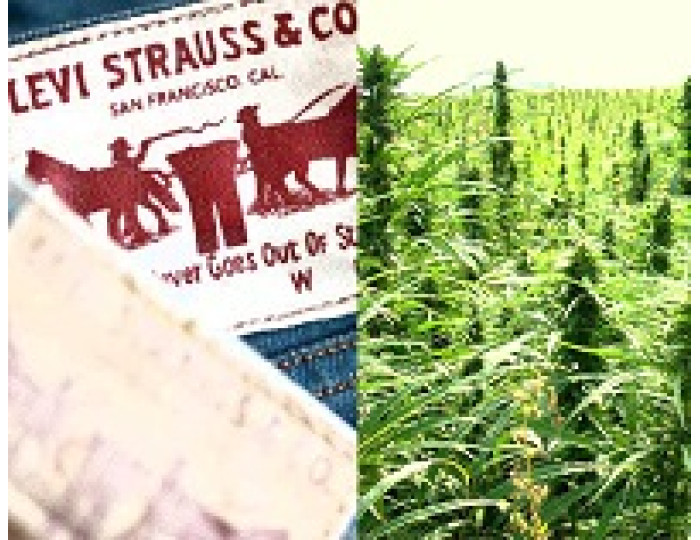
In 2019, the digging presented a collection of denim (coarse, stiff, dense twill weave) with a hemp content of about 30%, and in March 2021 it increased the use of hemp fiber in the Levi's WellThread collection, which already includes about 55% of hemp fiber in jeans produced by the company.
The editors of the specialized electronic edition of national cannabis growers focused the attention of our dear readers and listeners on the technologies of using “ Hemp fiber for the production of caravans and trucks" in the USA. The question was raised about the cooperation being established around the world, involving the use of American hemp fiber for the production of textiles and knitwear. In connection with the active search of American cannabis growers to establish an industry for the most efficient use of the fibrous part of the plant, information that the largest American brands that produce textiles and knitwear are funding research into the properties of hemp, on the basis of which they introduce hemp lines of manufactured products, could not pass beyond our attention. ... In the material below, the information concerns the initiatives of the American multinational brand "Levi Strauss & Co." on the introduction of hemp fiber into denim products manufactured by the company.
The use of hemp fiber is not new to the fashion industry. The leading role of the plant in the production of textiles and knitwear has ancient historical roots dating back millennia. For centuries, hemp fiber has been used to make clothes and paper, and it has also been used to make ship sails and ropes. With the growth in the use of cotton imported from Asian countries, the use of hemp began to decline, but environmental friendliness has recently become a cornerstone in many industries, so hemp fabric by American manufacturers is already considered as an effective alternative to other crops used in light industry for several reasons. ...
Latest Levi Strauss & Co. Report provides an insight into the use of hemp fiber in the company's clothing collections. The brand experts consider the plant to be one of the most effective sources for ensuring the environmental friendliness of the manufactured products.
In particular, prepared by the staff of "Levi Strauss & Co." The document states that “Hemp requires about four times less water than cotton, and industrial crops of industrial hemp can produce twice as much fiber per hectare as other fibrous crops. In addition, hemp crops do not require extensive use of fertilizers, as part of the plant helps replenish the soil with nutrients, which implies the use of “hemp residue” as a natural fertilizer. Industrial crops can rely on rainwater instead of the need for irrigation systems. ” Technologists "Levi Strauss & Co." separately note that “hemp fiber is a very stable base for tissue with exclusive therapeutic properties”.
Commentary of the specialists of the Association "Ukrainian technical hemp"
In recent years, several companies have developed collections based on hemp fiber. Patagonia, Toad & Co, and a number of other multinational brands have helped the hemp apparel market gain more traction because new apparel technologies allow hemp fiber to demonstrate its versatility and the quality of its fabrics.
Between 2019 and 2020, Levi's partnered with Swedish textile recycling startup ReNewCell to produce the Levi's WellThread hemp collection. However, because hemp fiber was found to be too rough for the skin to feel in denim, Levi's developed softening technologies to make the hemp fabric feel like cotton. The developed technologies allowed "Levi's" to become one of the first companies in the world to introduce hemp fiber on a large scale in the production of denim fabrics. In particular, in 2019 the digging presented a collection of denim (coarse, stiff, dense twill weave) with a hemp content of about 30%, and already in March 2021 increased the use of hemp fiber in the “Levi's WellThread” collection, which already includes about 55% hemp fiber in jeans produced by the company.
Within the framework of the round table " Ukraine's place in the modern market for products from the fibrous part of hemp ", which is being prepared for holding during the next training course for students of the " Hemp University ", the attention of those present will be focused on modern technologies that allow the most effective use of hemp straw derivatives / trusts in various sectors of modern economy. Separately, questions will be raised related to exactly what changes are needed in the current regulatory framework aimed at creating conditions for the rapid development of the hemp fiber processing market in our country.