

All That Glitters Is Not Gold
A retrospective analysis of US FDA letters from 2015 to 2019.
CBD products throughout 2015-2019 most of them were illegally advertised on the Internet as drugs with significant therapeutic potential. Efforts by appropriate government agencies to regulate and monitor illicit advertisements by CBD companies are needed to ensure that consumers cannot be misled about the risks and benefits of using cannabidiol.
Products containing cannabidiol (CBD) are becoming increasingly available to consumers around the world. In the United States, the safety of such products is regulated by the Food and Drug Administration (FDA) of the United States. Due to US safety regulations, CBD products cannot be marketed as unapproved new products with therapeutic claims. In cases where government officials in the country recorded violations, the FDA sent warning letters to the management of manufacturing companies in order to facilitate voluntary compliance with regulatory requirements. A thesis analysis of these letters provides insight into the types of violations regarding CBD products found in the US market.

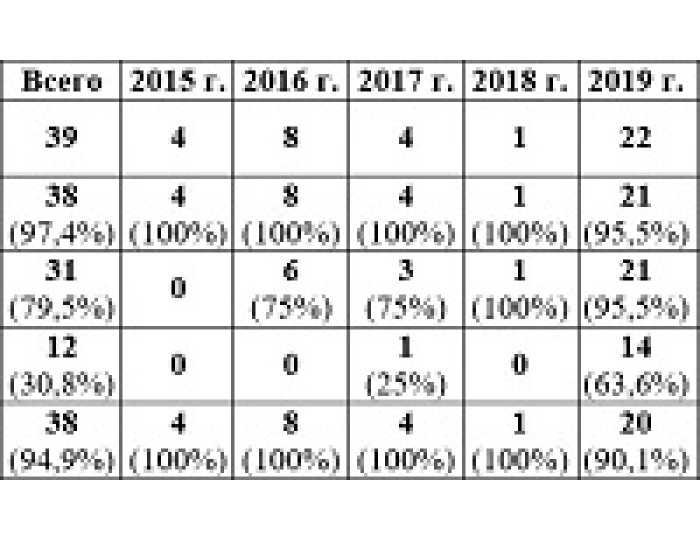
According to the results of the research, out of 39 issued warnings, 97% were associated with violations committed on the company's websites, 56% - with social media accounts. Almost all letters sent by the FDA (97%) mentioned violations of CBD marketing - the appearance on the market of a product that has therapeutic properties, but does not support this statement in any way. These illicit therapeutic claims related to claims of CBD-based products to address more than 125 unique health problems, including cancer (87.2%), diabetes (71.8%), inflammation (66.7%), pain (66.7%). %) and arthritis (66.7%). Most of the letters (79.5%) also mention illegal CBD marketing of hemp products as a dietary supplement or food product. Cannabidiol has been illicitly advertised as having 16 unique pharmacological effects, including anti-inflammatory (53.8%), anti-cancer (43.6%), and antipsychotic (30.8%).
Research findings: CBD products during 2015-2019. most of them were illegally advertised on the Internet as drugs with significant therapeutic potential. Efforts by appropriate government agencies to regulate and monitor illicit advertisements from CBD companies are needed to ensure that consumers cannot be misled about the risks and benefits of using cannabidiol.