

What does 5 years of British experience in using cannabis for medicinal purposes say?
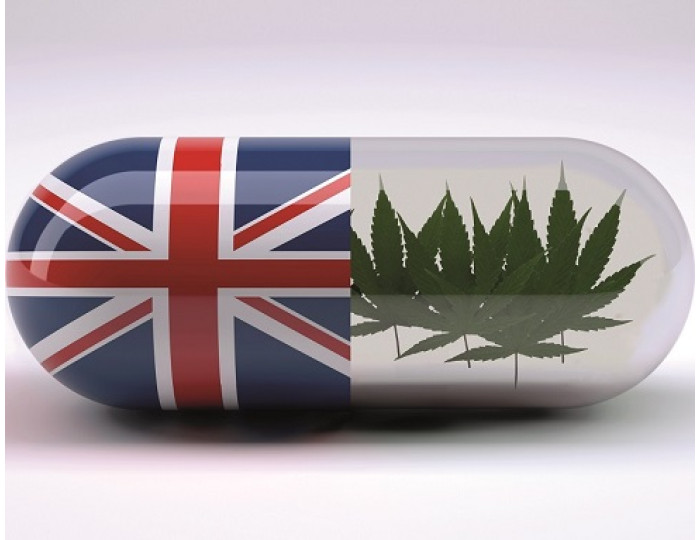
Even the
adoption of the necessary legislative framework, in the absence of by-laws, as
well as medical professionals who are not afraid to prescribe hemp medicines,
lead to extreme difficulty for patients to access the possibility of using the
therapeutically active components of the hemp plant.
Following
high-profile media campaigns by families of children with treatment-resistant
epilepsy, 2018 UK Health Secretary Sajid Javid announced in Parliament on
November 1 that therapeutic cannabis for medicinal purposes had been moved from
Schedule 1 to Schedule 2. The move allowed all specialist consultants to
prescribe medicinal cannabis as a 'specialty' or unlicensed medicine where it
was decided that it was in the best interests of the patient. The announcement
from the country's health minister has brought hope not only to parents of
children with epilepsy, but also to millions of people living with debilitating
diseases that cannot be treated with conventional medications.
Analysts of the
British hemp market claim that over the course of 5 years in the UK, about 30
thousand patients were able to legally gain access to treatment with the
therapeutically active components of the hemp plant. In particular, an inquiry
filed by British journalists in August 2023 revealed that between November 2018
and November 2022, “fewer than five” patients received a prescription for
unlicensed cannabis medicines through the UK National Health Service. At the
same time, data from the NHS Business Services Authority shows that over the
same period, more than 140,000 individual prescriptions were issued for
products containing therapeutically active cannabis compounds in the private
sector.
Despite the fact
that over the course of five years, about 30 thousand patients were able to be
treated using the therapeutically active components of the hemp plant, these
numbers are insignificant compared to the approximately 1.8 million people who,
according to experts, are still self-medicating with using marijuana, which is
accessed illegally. For example, when looking only at chronic pain, the most
common indication for which medicinal cannabis is currently prescribed in the
UK, around a third of the country's population (34%) is thought to be living
with some form of chronic pain, with recent prescriptions more than 50 million
prescriptions for opioid painkillers.
The greatest
irony is that the children whose stories changed the law are now forgotten. The
UK media first reported on the challenges paediatricians have to cannabis
medicines back in 2021, when it first emerged that no new pediatric consultants
were willing to prescribe cannabis medicines to children with epilepsy in the
UK. Little has changed in this situation to this day. With no clear pathway to
NHS funding and few consultants willing to write prescriptions, families with
children suffering from epileptic seizures are unable to access the medicines
they need, which are based on the therapeutic properties of the plant to this
day. For example, data collected from pre-clinical studies disseminated through
the NHS and end-of-life hospice services suggests that up to 30% of children
receiving palliative care use some form of cannabis-based products. Those.
British parents are forced to break the law to help their children.
Commentary
from specialists of the Association “Ukrainian Industrial Hemp”
There are
currently 31 clinics and 18 pharmacies in the UK that prescribe and dispense
cannabis medicines. Currently, more than 30 companies import medicines based on
the therapeutic properties of the plant, and about 11 enterprises are licensed
by the Ministry of Internal Affairs to produce products with a high content of
therapeutically active components of the hemp plant.
A brief overview
of developments related to the use of medical cannabis in the UK shows that even the adoption of the necessary
legislative framework, in the absence of secondary legislation, as well as
medical professionals who are not afraid to prescribe cannabis medicines, leads
to the extreme difficulty of patients' access to the possibility of using the
therapeutically active constituents of cannabis. plants :
• On 1 November 2018, Health Secretary
Sajid Javid announces in Parliament that therapeutically active cannabis for
medicinal purposes has been moved from Schedule 1 to Schedule 2 under the
Misuse of Drugs Regulations, allowing all registered consultants to prescribe
cannabis products. medicines;
• in March 2019, when it became clear
that a change in the law did not mean widespread access to therapeutic cannabis
within the NHS, the Secretary of State for Health commissioned a review of
existing barriers. The final report, published in August 2019, made 10
recommendations, none of which have yet been implemented;
• in December 2020, the Advisory Council
on the Misuse of Drugs also published a report on the impact of regulatory
changes, which stated that a full review of international approaches to
legislation on medicinal products manufactured with therapeutically active
cannabis ingredients is needed;
• in March 2021, recommendations
appeared on the prescription of medical drugs made on the basis of
therapeutically active components of cannabis, according to which plant-based
drugs can be prescribed in any individual case if it is “clinically
appropriate”;
• In April 2021, the National Health
Service “launched” a registry of patients using medical cannabis. Two years
later (February 2023), a specialized media inquiry revealed that not a single
patient was listed in the above registry;
• in October 2021, new guidance was
published on the use of drugs made from the therapeutically active constituents
of the hemp plant, which states that there is “evidence” for the use of
hemp-derived drugs other than Epidyolex, and the use of tetrahydrocannabinol
(THC) is not recommended for treatment. for “security reasons”;
• In March 2022, the UK Health Secretary
told Parliament that the National Health Service was “working closely” with
companies on ongoing experiments to compare the effects of drugs containing
cannabidiol, CBD with THC and a placebo.
• In February 2023, an adult patient
received reimbursement for the first time from the NHS for a prescription for
unlicensed CBD oil, followed by the first reimbursement for a hemp flower
product in July.
• in September 2023, in its latest
report on drugs, the Home Affairs Committee recommended that the government
expand access to therapeutic cannabis within the NHS.
.jpg)