

What is the conflict between representatives of different spheres of modern cannabis growing in California?
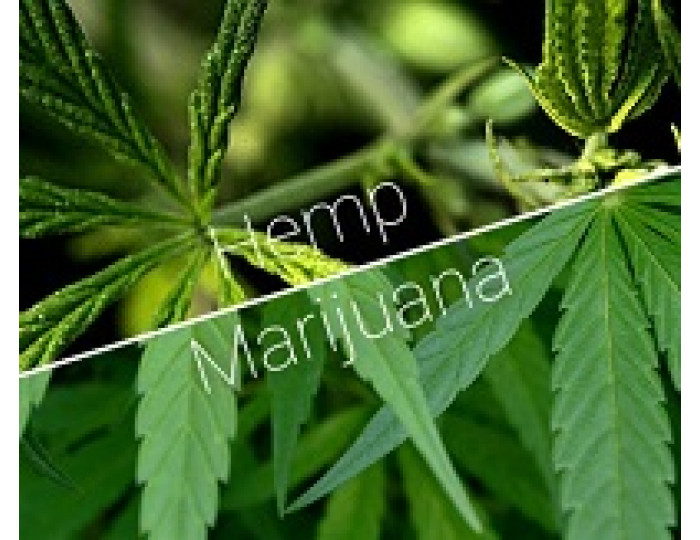
A few years ago, on the pages of the specialized electronic edition of national cannabis growers, it was emphasized that the economics of growing therapeutic cannabis and marijuana testifies that over time the latter will only remain on an extremely truncated market, involving the use of exclusively tetrahydrocannabinol. However, it is instructive for national cannabis growers how fiercely resistance companies that specialize in the production of psychoactive cannabis are against the adoption of regulations that provide opportunities for the use of therapeutically active elements of the plant for industrial purposes. And now we refract this situation on the realities of the modern hemp market in our country and understand which sector of the modern Ukrainian market is currently operating outside the framework of the current legislation is one of the main opponents of the adoption of a regulatory framework that regulates the possibilities for the widespread use of therapeutically active plant elements in industrial purposes obtained by methods that exclude extraction.
Legislators in the US state of California have created a bill that regulates the widespread use of plant cannabidiol for industrial purposes. Why one of the main opponents of the adoption of this regulatory legal act in one of the largest local markets in the world are representatives of another area of the hemp business, which specializes in using the psychoactive properties of the hemp plant, we will understand this material.
The bill passed the California Assembly without any difficulty and is currently awaiting consideration in the State Senate. It is primarily intended to regulate the distribution and sale of cannabidiol of plant origin in the above-mentioned administrative-territorial unit of the United States as a therapeutically active ingredient in food, beverages and various kinds of additives (food, dietary, feed, biologically active).
Most of the state's cannabis operators would like to see this legislation enacted after a long period when the use of plant cannabidiol was not regulated for use in food and beverages and therefore did not have a legal opportunity to sell such products.
In turn, manufacturers of psychoactive cannabis used for recreational purposes claim that the bill will destroy "the only profitable segment of the industry." They are extremely concerned that state law stipulates that cannabidiol derived from industrial hemp to the same standards as a similar cannabinoid derived from marijuana will create significant market competition for them. In particular, according to a number of legal psychoactive cannabis market operators in California, the adoption of this kind of legislation will make recreational use of cannabis uncompetitive and will significantly limit the use of various isomers of tetrahydrocannabinol obtained from the hemp plant, such as delta-8 THC in already functioning dispensaries that use recreational marijuana.
For example, according to one of the market operators in San Diego, Josh Schneider, the passage of this kind of regulation in the state drives a wedge into the heart of the California hemp industry. The regulation of the possibility of using cannabidiol of plant origin for industrial purposes, in his opinion, will occur at the expense of Californian agricultural producers who specialize in the cultivation and sale of plant flowers for the smoking hemp market. According to Mr. Schneider, cannabis smoking is currently the only profitable sector of the hemp industry for small and medium-sized farmers in the state. Specifically, he states that “The passage of this regulation will disrupt the already poorly regulated cannabis industry in California, shutting down the single most lucrative outlet for hemp-grown products. In addition, this regulation prohibits the inclusion of hemp and marijuana extracts in alcoholic beverages unless specifically approved by the FDA. ” According to Mr. Schneider, the passage of this kind of bill will destroy the California cannabis industry if the entrepreneurs involved in the state's cannabis business do not unite and take action to block its passage.
A position similar to that of Mr. Schneider is held by the California Unified Cannabis Business Association and the Coalition of Cannabis Trade Associations, whose representatives call the adoption of this kind of regulation "an attack on the legal marijuana industry."
In particular, the Coalition is directing its members' efforts to block the bill, stating that its adoption "creates a double standard" between the cannabinoids of the hemp plant and marijuana.
According to Mr. Miller, the aforementioned groups of representatives of the legal business specializing in California on marijuana feel the approaching competition from industrial cannabis growers and, realizing its futility, require that drug-free cannabinoids (including cannabidiol) obtained from cannabis-free cannabis be installed such the same restrictions as for marijuana, subject to all the same rules and regulations, according to which the plant could only be sold through dispensaries.
Washington State marijuana growers, while supporting their California counterparts, also express their concern that their business could be significantly impaired if federal legislation similar to that planned for California is passed at the federal level.
Commentary of the specialists of the Association "Ukrainian technical hemp"
A few years ago, on the pages of the specialized electronic edition of national cannabis growers, it was emphasized that the economics of growing therapeutic cannabis and marijuana indicates that over time the latter will remain only on an extremely truncated market, involving the use of exclusively tetrahydrocannabinol. However, it is instructive for national cannabis growers how fiercely resistance companies that specialize in the production of psychoactive cannabis are against the adoption of regulations that provide opportunities for the use of therapeutically active elements of the plant for industrial purposes. And now we refract this situation on the realities of the modern market of our country and understand which sector of the modern hemp market in Ukraine currently operating outside the framework of the current legislation is one of the main opponents of the adoption of a regulatory framework that regulates the possibilities for the widespread use of therapeutically active plant elements in industrial purposes obtained by methods that exclude extraction.