

Fundamentals of the theory of endocannabinoid deficiency
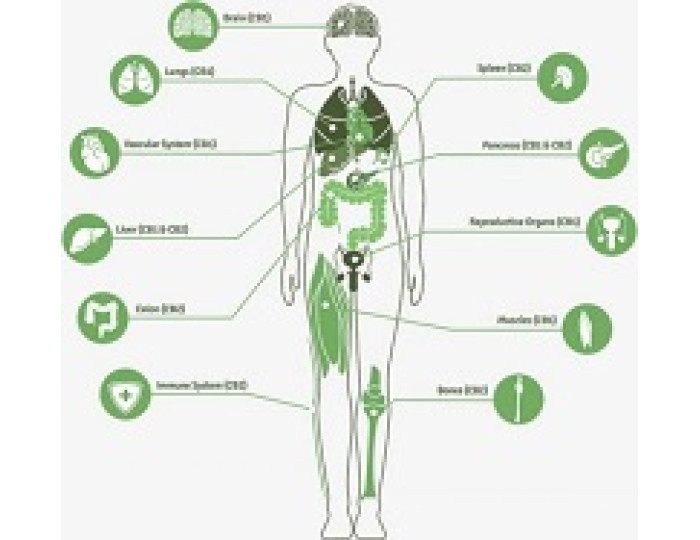
A lack of a neurotransmitter in the endocannabinoid system can lead to a significant number of diseases. The intensification of the activity of the endocannabinoid system with the help of plant-derived cannabinoids attracted from outside helps to stop a significant number of problems in the human body.
The endocannabinoid system of the human body is not always in an ideal state, therefore phytocannabinoids brought in from outside help to restore it, which predetermines the arrest of the development of a significant number of diseases.
At the moment, the therapeutic properties of cannabis are actively used to treat a number of serious, including chronic diseases. Glaucoma, chronic pain, irritable bowel syndrome, anxiety disorders, epilepsy, depression due to post-traumatic stress disorder, fibromyalgia, certain forms of oncological diseases are just a small list of diseases that are effectively treated with the help of the leaves and inflorescences of therapeutic cannabis. However, what is the fundamental principle that the hemp plant is an effective means of prevention, healing or treatment of a significant number of diseases. One of the hypotheses that scientists put forward in this regard is the theory that part of the population suffers from clinical endocannabinoid deficiency.
We can say that the normal functioning of the endocannabinoid system of the body predetermines a stable physical and psycho-emotional state of a person. In particular, the endocannabinoid system is directly involved in the functioning of the nervous system, maintaining immunity, the stable operation of all internal organs of a person, since its endocannabinoids are found in all vital organs of the human body. The endocannabinoid system is as multifaceted and multifunctional as it is complex, therefore any failure of it is fraught with the emergence of discomfort or the development of diseases.
The theory of endocannabinoid deficiency was first introduced to the public by Dr. Ethan Russo. Its basic postulates are based on the fact that a significant part of the disorders of the human body, which subsequently lead to discomfort or diseases, arise in connection with failures in neurotransmitter systems. Dr. Russo hypothesizes that a lack of a neurotransmitter in the endocannabinoid system may lead to a significant number of diseases. The intensification of the activity of the endocannabinoid system with the help of plant-derived cannabinoids attracted from outside helps to stop a significant number of problems in the human body. That is, the basis of a significant number of discomfort conditions and human diseases can be explained by the theory of endocannabinoid deficiency.
During the course of research on this topic, a group of specialists led by Dr. Russo has collected a significant amount of evidence that the regulation and "fine tuning" of the endocannabinoid system allows you to get rid of a huge number of diseases. In addition, during the normalization of the endocannabinoid system, a significant increase in the protective functions of the human body was found, which is another argument in favor of the theory of endocannabinoid deficiency. A decrease in the efficiency of the endocannabinoid system can mean an inadequate work of endocannabinoids, which, among other things, are designed to protect the human body from the negative effects of an external aggressive environment, as well as uncomfortable sensations or the development of various kinds of diseases.
In turn, cannabinoids of plant origin, as well as other therapeutically active elements of the hemp plant, contribute to the restoration of the endocannabinoid system, which automatically “triggers” the natural defense mechanisms of the human body.