

Forecasted trends of the therapeutic cannabis market in the EU countries
The effectiveness of using the “ensemble effect”, as well as the rapidly developing market of food products, cosmetics, pet products, food / dietary / biologically active additives made directly from the leaves and inflorescences of therapeutic hemp, excluding their extraction in Canada, indicate that this market is being copied in others. economically developed countries of the world, primarily in the EU.
Traditionally, at the end of the year, the results are summed up and trends that will dominate the market are determined. Taking into account the substantive activities in the study of these issues by the specialists of the information and analytical platform Hemp Consulting, the editors of the specialized electronic publication of Ukrainian cannabis growers asked to identify the main trends that may be observed in the hemp market in the EU countries in 2021. Without disclosing all the details of the research carried out in the interests of the customer, we were provided with information about the obvious trends in the hemp industry in Europe, which, among other things, will be inherent in certain areas of modern hemp breeding in Ukraine.
Optimizing markets
A significant number of companies working in the modern cannabis industry attract significant resources in order to implement large, expensive projects. The creation of vertically integrated production chains capable of creating products with high added value allows companies to dominate certain sectors of the hemp business. Until recently, this led to the fact that the leaders of the hemp market tried to simultaneously cover all rapidly developing markets (grocery, cosmetic, biocomposite, textile, etc.) in several regions of the world at once.
On the one hand, taking into account the global crisis associated with the coronavirus pandemic, throughout 2020, there were global trends to close non-core areas and invest major resources in projects that allow companies to be major players in one or more sectors of modern cannabis farming. The implementation of the revision of the previously developed development strategies of a number of European leaders was the massive layoffs of employees and the closure of non-core industries, which swept the market throughout the year.
On the other hand, investors in Europe are most cautious about any projects in the hemp sector and do not want to indiscriminately invest their resources in leading companies in the hemp market. Throughout 2020, it has become the norm when potential investors are asked to provide them with documents demonstrating development strategies for specific industries, with a breakdown of profits in the short and medium term.
Increased competition for EU export market shares with significant therapeutic properties
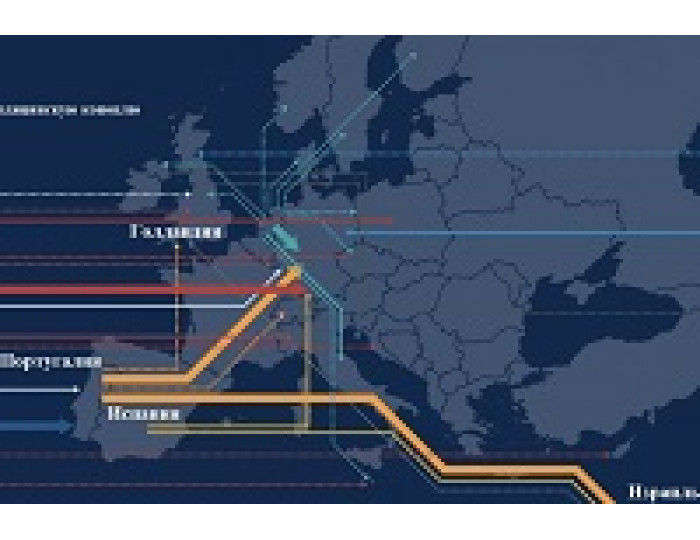
The struggle to meet the growing demand for hemp raw materials or finished products with significant therapeutic potential in the most profitable markets in Europe and North America is intensifying. Until recently, the European continent was dominated by Canadian and Dutch exports of raw hemp for medicinal purposes. Over the past few years, Portugal, Spain, Australia, and Israel have become major suppliers of medical cannabis leaves and flowers. It should be noted that there is a fairly regular supply of hemp raw materials with significant therapeutic potential from Uruguay and Colombia. In the event that the supranational structures of the EU in the near future do not create various kinds of administrative barriers in the medical hemp market, the export of hemp raw materials used for medical purposes from Asia or South America will significantly increase. The reason for this factor is extremely simple - the ratio of price and quality, which in such cases surpasses the products that traditionally came to the market of individual EU countries from North America or Europe.

Export of medical cannabis in EU countries
Significant growth in the market for individual therapeutically active elements of the hemp plant
This statement is based on many years of research carried out in economically developed countries to study the therapeutic properties of phytocannabinoids (plant cannabinoids), as well as their effect on the endocannabinoid system of the human body. Until recently, most research has focused on the properties of cannabinoids, which are found in significant amounts in plants (tetrahydrocannabinol and cannabidiol). Considering the saturation of the market with raw materials and final products, which contain a significant amount of the above therapeutically active elements, as well as the data that in a significant number of cases extracts of the above cannabinoids work poorly or do not work at all, modern science has paid close attention to other non-drug therapeutically active elements , the volume of which in the plant is small.
It is necessary to initially understand that at the moment there are more than 120 cannabinoids and more than 150 terpenes in cannabis, as well as a significant amount of other therapeutically active elements (phenols, terpenoids, flavonoids, etc.), which have enormous therapeutic potential and work effectively during treatment of a number of serious, including chronic diseases. In particular, cannabigerol (has anti-inflammatory, antimicrobial, neuroprotective and antibiotic effects) or cannabinol (has anticonvulsant, antibiotic, anticancer, sedative, analgesic and anti-inflammatory effects) are those cannabinoids that are actively commercialized in the economically developed countries of the EU.
The powerful therapeutic effects of “minor” cannabinoids are forcing brands in European countries that specialize in the use of the therapeutic properties of the hemp plant to include the aforementioned therapeutically active elements in the lines of pharmaceuticals, food or cosmetics produced by them. As more information becomes available on the therapeutic properties of “minor” cannabinoids, the aforementioned trend in their widespread use will grow, as the creation of innovative products in such a highly competitive market provides significant competitive advantages.
Launching the market of products and goods containing leaves and inflorescences of therapeutic hemp
The effectiveness of using the "ensemble effect", as well as the rapidly developing market of food products, cosmetics, pet products, food / dietary / biologically active additives made directly from the leaves and inflorescences of therapeutic hemp, excluding their extraction in Canada, speak of copying this market in others economically developed countries of the world, primarily in the EU. Another stimulus that allows us to talk about the rapid development of the market in this particular direction is the EU Directives, according to which synthetic cannabinoids, as well as extracts of individual therapeutically active elements of the plant, are subject to significant restrictions. Given the interest in the most effective use of the therapeutically active elements of the hemp plant by buyers in products that can be purchased without any restrictions at a minimal price, it is possible to predict the rapid development of this particular sector of modern cannabis growing.
Impact on the coronavirus hemp market
The COVID-19 pandemic has had a profound impact on the global economy as isolation measures and economic uncertainty have forced many companies, including in the hemp industry, to scale down and rethink their development strategies. However, despite the above, the global coronavirus pandemic opens up opportunities for the hemp industry as a whole.
Countries that seek financial recovery after the pandemic will look for new sources of taxable income, which, among other things, can be offered by entire sectors of the hemp business - the production of cellulose, biocomposite materials, the use of the therapeutic properties of the hemp plant in various sectors of the modern market (food; cosmetic products ; food, dietary, biologically active additives; pharmacological preparations, etc.).
Several dozen research groups are actively exploring the possibilities of using therapeutically active elements of the hemp plant to treat coronavirus or its consequences. The use of the therapeutic properties of cannabis for the treatment of not only COVID-19, but also a number of other diseases provided by the above research projects will continue in the future. In addition, it must be borne in mind that during the course of the coronavirus pandemic, the number of consumers of cannabinoid products has significantly increased, who with its help got rid of anxiety, stress, improved their health, or got rid of any health problems. Naturally, this trend will continue in the future due to the fact that more and more products will enter the market, which will include hemp leaves and inflorescences or their derivatives obtained during extraction.