

US studies show that patients use medical cannabis instead of pharmaceuticals.
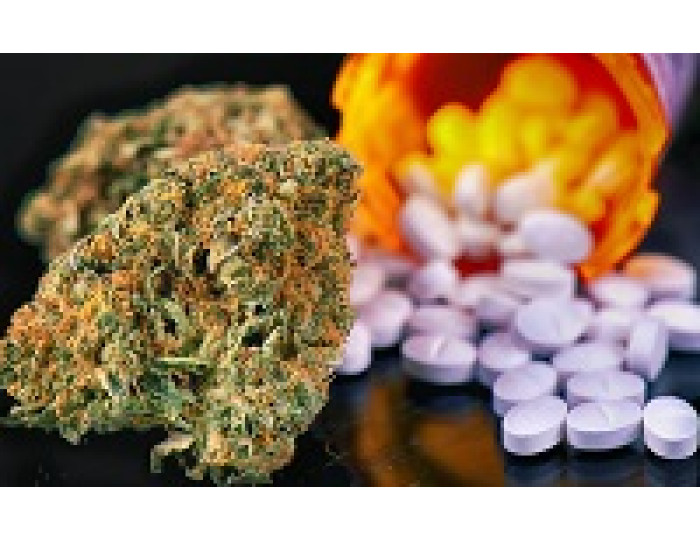
42% of respondents stopped taking medicines that were prescribed to them by their doctor after they tried to use the therapeutic properties of cannabis as a treatment. Another 38% of respondents reported that after understanding the therapeutic effect of medical cannabis, they significantly reduced the use of prescription drugs.
A study by staff at the University of Michigan, co-authored by specialists at the University of Buffalo, shows that a significant number of patients who previously used pharmaceuticals replace their medical cannabis for preventing and treating symptoms or the diseases themselves. In particular, the data obtained as a result of interviewing 450 adult participants of the event indicate that 44 percent of those who consumed medical cannabis later decided to discontinue pharmaceutical preparations or significantly reduce their number.
During the study, 78% of respondents said that they used the therapeutic properties of cannabis either to prevent diseases or to directly treat them. The study showed that 42% of respondents took drugs that were prescribed to them by the attending physician after they tried to use the therapeutic properties of cannabis as a treatment. Another 38% of respondents reported that after understanding the therapeutic effect of medical cannabis, they significantly reduced the use of prescription pharmacological drugs. Most of the therapeutic properties of cannabis have been used to treat pain, to solve back problems, to relieve headaches, and to improve the condition during depression.
30% of respondents stated that they used medical cannabis despite the recommendations of their doctors or without notifying the medical staff about the use of therapeutic cannabis during treatment.
The most significant are the conclusions that respondents made during their surveys. Consumers of medical cannabis have told interviewers of university staff that they have more confidence in the therapeutic effects of using medical cannabis than on conventional pharmacological drugs. Compared to pharmaceutical products, consumers of medical cannabis have noted the greater efficacy of using the plant for treating diseases, the absence of any side effects or dependence on the plant, the safety of its use, the availability of medical cannabis, and its lower cost.
It should be noted that patients in the course of medical practices used a wide variety of ways to take "hemp medicine"
food - 65%;
concentrates or extracts - 57%;
e-cigarettes with extracts - 51%;
inflorescences with inflorescences - 38%;
evaporators with concentrates or extracts - 37%;
cannabinoid cosmetics - 19%
other methods - 4%.
Another feature of the American market for medical cannabis is the fact that 47% of respondents received the necessary medical care in cannabis dispensaries, and 40% of respondents purchased therapeutic cannabis directly from legal manufacturers of medical cannabis .
According to the staff of the universities that conducted this study, given the rapidly growing use of cannabisa for medical purposes and the widespread consumption of plants in the United States for recreational purposes, the current health care system is focused on abstinence. from the possibility of using the therapeutic properties of hemp, looks at least outdated.
Commentary of the Association «Ukrainian technical hemp»
Cannabis has been used by people for medical purposes for several millennia. According to records in the American archives, hemp-based products were recommended by doctors and were extremely popular for treating a wide range of diseases in the United States (USA) from the beginning of the nineteenth century to the beginning of the twentieth century. The use of these drugs has decreased with the invention of vaccines, the use of a syringe for subcutaneous injections, as well as an increase in the use of synthetic and derivative pharmaceutical preparations such as aspirin and barbiturates. Contrary to the advice of the American Medical Association, cannabis was criminalized in the United States in accordance with the Marijuana Tax Act of 1937.
In recent years, the US regulatory framework for hemp has shifted from a ban to legalization at the state level, especially for medical purposes. As of January 2018, more than 21% of Americans lived in areas where recreational cannabis is legal at the level of their administrative-territorial unit, about 77% lived in those states in which certain types of medical cannabis are legal at the local level, and less 2% of the population lived in an area with a total ban on the use of cannabis.
US citizens use medicinal cannabis for medical purposes to treat a wide range of ailments, including chronic pain, muscle spasms, depression, anxiety, post-traumatic stress disorder, headaches, menstrual cramps, problems with sleep, drug addiction and appetite problems in addition to treating HIV / AIDS, cancer, and the side effects of chemotherapy.
Clinical trials show that cannabis and its derivatives are extremely effective compared to traditional drugs such as codeine and opiates.