

The development of which services are predetermined in the hemp market
European consulting agencies predict that the market for testing various types of hemp products will grow from € 360.7 million ($ 431.6 million) in 2019 to € 643.8 million ($ 770.3 million) at a compound annual growth rate (CAGR) 7.7% between 2020 and 2027.
In Europe, one of the main elements of the legal industry of modern cannabis growing is actively developing - the market for testing various types of products, which include any constituents of plants that have powerful therapeutic properties.
There are several drivers for the development of the above industry. Until recently, considered as an auxiliary sector, testing of hemp products is increasingly becoming the central focus of a number of enterprises specializing in various areas of modern cannabis production. As the various directions of the modern hemp industry develop, the need for quantifying or standardizing products in different sectors of the industry becomes critical. These areas have already become the testing of the therapeutic properties of hemp, the study of food, pet food or cosmetics.

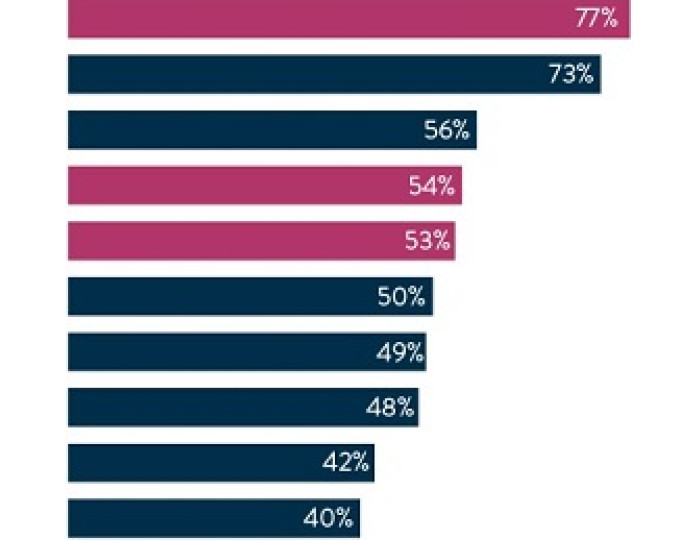
Test results provide immediate results and commercially measurable benefits, as manufacturers ensure product quality and safety, or by ignoring the above criteria expose buyers to negative consequences. Studies conducted in economically developed countries show that confidence in the results of laboratory tests is indicated as one of the key factors influencing the consumer, who decides to buy products containing therapeutically active elements of hemp - 77%.
Product credibility is of paramount importance, especially for products intended to be ingested or applied to the skin or hair of the human body. Sellers of hemp food or cosmetic products in economically developed countries no longer only form marketing campaigns around the results of relevant research. The conclusions of the laboratories specializing in these issues are for a number of American and European countries the only criterion for admitting certain goods to the market that can potentially cause negative reactions of the human body.
It is obvious that hemp companies specializing in the production of food products, cosmetics, dietary or feed additives seek to avoid problems with government agencies that control activities in this area of the economy. That is why European consulting agencies predict that the market for testing various types of hemp products will grow from € 360.7 million ($ 431.6 million) in 2019 to € 643.8 million ($ 770.3 million) with a compound annual growth rate ( CAGR) 7.7% between 2020 and 2027.
Testing helps the branding and marketing processes, and also allows you to effectively develop a line of grocery products or cosmetics. Over time, testing becomes part of the legal framework in this sector of the economy and affects the mandatory labeling on the packaging, since the regulatory framework of a number of economically developed countries already requires clear labeling of factors such as levels of tetrahydrocannabinol, as well as other drug-free cannabinoids.
In Europe, the cannabis testing market is generally targeting the more mature markets of the US and Canada, with technologies ranging from chromatography and spectroscopy to consumables and software. As in the US, testing criteria will include activity testing, microbiological analysis, solvent screening, heavy metal testing, pesticide screening, terpene profiling, and genetic testing. As the hemp industry expands, test companies can become segmented testing laboratories, drug manufacturers, or research institutes.