

UK CBD market is growing rapidly
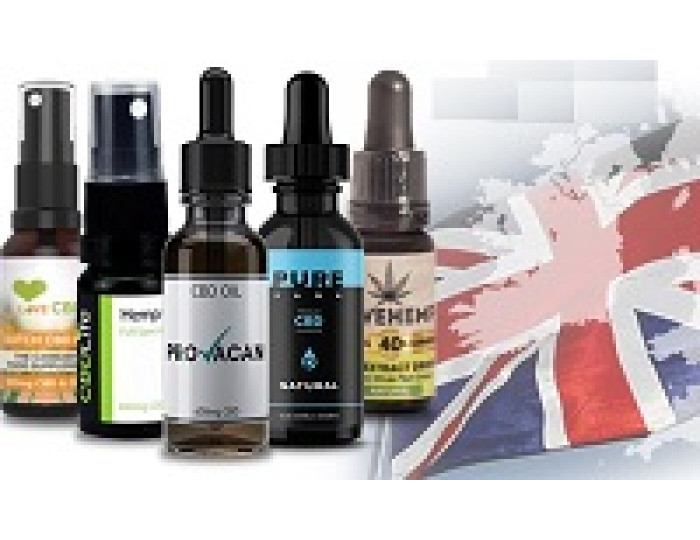
Almost 50% of cannabinoid products in the UK do not meet EU standards for the maximum allowable amount of tetrahydrocannabinol in the product used by the consumer. And this once again reminds of caution in changing the regulatory framework that will govern the sale of cannabinoid products in Ukraine.
The pages of the profile electronic publication of Ukrainian horse breeders have repeatedly indicated that CBD products sold in Europe do not always meet a number of requirements for food or cosmetic products that may be offered to consumers in the EU. In particular, they covered “ Why Dutch CBD Oil in Ireland Is Discontinued ” or “ How US Government Agencies Protect Consumers from Low-Quality Cannabinoid Products ”.
With the rapid development of the international cannabidiol market, the imperfection of the regulatory framework governing this area of business makes English CBD companies uncompetitive. This is the conclusion made by experts from the British Center for Medical Cannabis (UK's Center for Medicinal Cannabis), in the course of their study.
In particular, in the final part of the above materials it is noted that “the global chain for CBD products is rapidly expanding, however, this sector of management is not built on the same agricultural foundation that is taken for granted in other countries. This is one of the key factors that undermines UK competitiveness in the international hemp market.
Despite the difficulties in the competition faced by English companies in the international hemp market, the size of the consumer market for CBD products in the UK is 3-6 times larger than the estimates that were made earlier and amounted to € 112-336 million. At present, the market drug-free cannabinoids of England by 2025 could amount to € 1.12 billion.
Analysts preparing this report argue that the current hype surrounding cannabinoid products will continue in the medium term. The popularity of CBD products is currently difficult to measure, however, the level of penetration of CBD products in the market is so high that such a huge demand alone cannot sharply decrease.
It is noted that in the UK the market for cannabinoid products is currently poorly controlled, however, increasing competition leads to its dynamic development and a significant increase in revenue from those companies that have created the right strategy for their development.
The authors argue that the study is not comprehensive or exhaustive. It is noted that "Without an accurate picture of how consumers buy CBD products, as well as information about which product categories are most popular, it is extremely difficult to develop effective policies and flexible rules by which the hemp market in the UK can develop as efficiently as possible."
A separate section of the report is the part regarding the negative practice of using CBD products, as well as their irresponsible promotion on the market. In particular, the report states that “companies interested in the production / sale of CBD products should focus on educating the public, as well as building an evidence base that demonstrates the therapeutic properties of drug-free cannabinoids.”
In the resolution part of the report, specialists from the British Center for Medical Cannabis call on the government to amend the current regulatory framework, which currently holds back the development of this sector of modern hemp breeding in the UK, which has great development potential. It is the misunderstanding by the regulatory structures of the market fundamentals, consumer habits and motivation of CBD products, as well as ignoring the business experience of British companies specializing in its production / sales, often leads to illogical actions by government officials. In particular, studies of CBD products allowed for sale in the UK by specialists from the British Medical Cannabis Center show that almost half of the 30 tested CBD products authorized for sale in the United Kingdom exceed the amount of THC that is generally accepted in Europe by 0.2%.
Commentary of the Ukrainian Technical Hemp Association
An analysis of our British colleagues emphasizes not only the underdevelopment of national legislation, which in the field of production / sales / use of drug-free cannabinoids not only does not develop, but is also in its infancy for a long time. Another key factor is the conclusion that almost 50% of cannabinoid products in the UK do not meet EU standards for the maximum allowable amount of tetrahydrocannabinol in the product used by the consumer. And this once again reminds of caution in changing the regulatory framework that will govern the sale of cannabinoid products in Ukraine.