

What is the reason for the decrease in sales of medical cannabis in the Netherlands
The number of medical cannabis sales in the Netherlands declined in the first half of 2021, continuing a similar trend that began in 2018, when insurance claims were suspended in the country. Since that time, the number of patients using the plant for medicinal purposes has also been decreasing. The relative market share of medical hemp flowers versus extracts grew to 55% in the first half of 2021, up from 44% of sales in 2017.
Data published by the Foundation for Pharmaceutical Statistics (SFK) for the first half of 2021 show two major trends in the Dutch medical cannabis market: declining sales and increasing popularity of plant flowers as opposed to extracts.
From 2019 to 2020, due to dose cuts, the total number of patients receiving medical cannabis dropped from 11,000 to 9,000.In particular, according to an SFK spokesman, `` the number of first prescriptions fell more than the number of subsequent prescriptions, '' which is means that the decline is mainly due to the decrease in the number of new patients, and not to the discontinuation of treatment by the current ones.
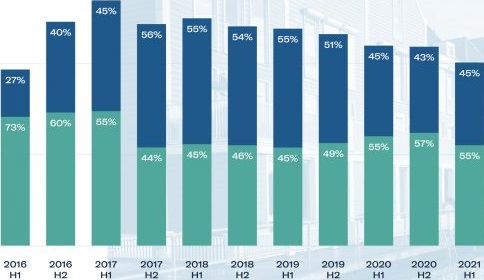
Dynamics of sales of medical cannabis in the Netherlands
As you can see from the chart above, the relative market share of medical hemp flowers as opposed to extracts grew to 55% in the first half of 2021, up from 44% of sales in 2017. Sales of leaves and blossoms with potent therapeutic properties in the Netherlands declined in the first half of 2021, continuing a similar trend that began in 2018, when indemnity was suspended in the country. Since that time, the number of patients using the plant for medicinal purposes has also been decreasing.
Commentary of the specialists of the Association "Ukrainian technical hemp"
The Netherlands is the third largest market for medical cannabis in Europe after Germany and Italy, so trends in this country are important to understand the industry across the continent. The use of medical cannabis in the Netherlands peaked in 2018, around the time the National Institutes of Health recommended not prescribing the plant for lack of evidence of efficacy, prompting the discontinuation of insurance claims for medical cannabis use.
In 2018, a Lifestyle Monitor study by the Dutch government found that only one in ten patients using the therapeutic properties of cannabis received the herb by prescription, while the rest bought the herbs rich in therapeutic ingredients from cafes, street vendors, or grew hemp. at home.
During the specialized round table “ Exponential growth of the market for non-traditional therapeutically active elements of cannabis ” held as part of the training of the next course for students of the “ Hemp University
”, the speakers will focus on the global trends in the use of the
therapeutic properties of the plant in economically developed countries
of the world.