

Hemp paper production launched in Germany
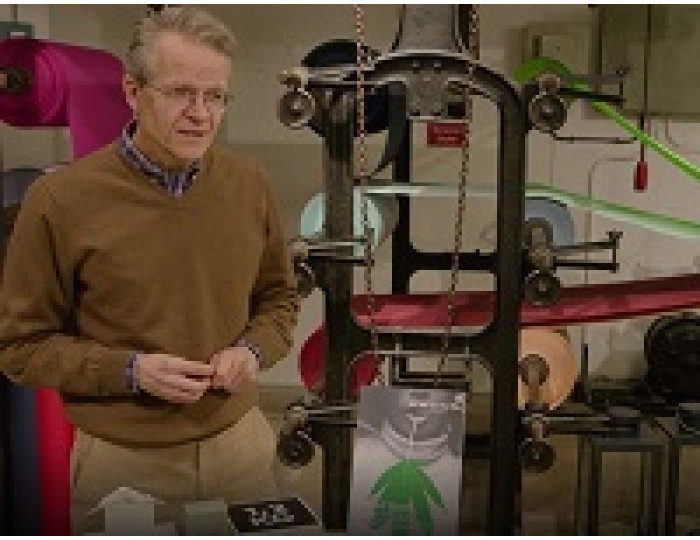
Hemp shows excellent results when recycled. Raw materials from this plant are better for recycling than wood fiber, as it can be recycled up to ten times.
On the pages of the specialized electronic edition of national cannabis growers, attention was focused on “ How promising is the hemp cellulose market ”. The market of the most economically developed country in the world can be cited as an example of the development of technologies for the production of hemp paper. “ Hemp paper in the USA ” is produced according to “ American Manufacturing Technology”Already at the facilities of several administrative-territorial units of the country. It seems that representatives of the pulp and paper industry of the advanced EU countries are interested in the implementation of this technology. The experience of implementing this kind of project in Germany will certainly be of interest not only to our dear readers and listeners, but also to representatives of the country's financial and industrial circles, who are carefully studying this market, in anticipation of the ban on the widespread use of polyethylene and significant interest in this regard to the use paper bags and various kinds of disposable products.
The German paper mill has made a splash in the EU market. The technology developed by the company's specialists makes it possible to produce paper on an industrial scale, 100 percent from hemp raw materials. For the development of this technology, the Upper Bavarian company was awarded the special prize of the prestigious German Sustainability Prize.
Problems of obtaining traditional raw materials used for the production of cellulose
Germany buys most of its pulp from Brazil, Sweden, Finland and Portugal. The German industry needs a lot of fresh eucalyptus fibers, especially for toilet paper, as well as paper for writing and printing. In Portugal, huge monocultures of eucalyptus are already replacing native olive trees, pines and cork oaks. The result: dry soils, less space for wildlife and forest fires, as eucalyptus is highly flammable.
In South America, more and more acreage is being used for the production of pulp. Where there was once a rainforest, eucalyptus plantations are now planted in many places, to the detriment of the environment and people. This is due to the fact that in Brazil, cellulose companies often create new plantations on agricultural land, which are necessary for local people to grow staple food. People are forced to move to other parts of Brazil, where they clear the primeval forest in order to obtain land to grow food.
In Northern Europe, clear-cut forestry is also observed for raw materials used for papermaking, which deprives animals and certain plant species of their natural habitat. Thus, biodiversity around the world is significantly reduced, including due to the need for paper.
German technology for making paper from hemp
The base of hemp paper is a mixture of raw hemp, chalk, potato starch and water. Unlike commonly used wood raw materials, hemp fibers are much longer and therefore tend to curl during the manufacturing process. According to experts, it is this factor that significantly complicates the industrial production of paper from hemp fibers. However, German technologists have managed to eliminate the "curling effect", and the development of this kind of technology makes it possible to produce on an industrial scale 100 percent paper from hemp raw materials.

German warehouse of hemp paper
In addition to environmental and economic aspects, German experts focus on one more factor that is extremely relevant for Germany. In particular, almost 70 percent of German paper is produced from recycled paper. Waste paper is already being imported to Germany due to the acute shortage of this raw material. Hemp shows excellent results when recycled. Raw materials from this plant are better for recycling than wood fiber, as it can be recycled up to ten times.