

Possibilities of cryogenic freezing of cannabinoids are being studied in the USA
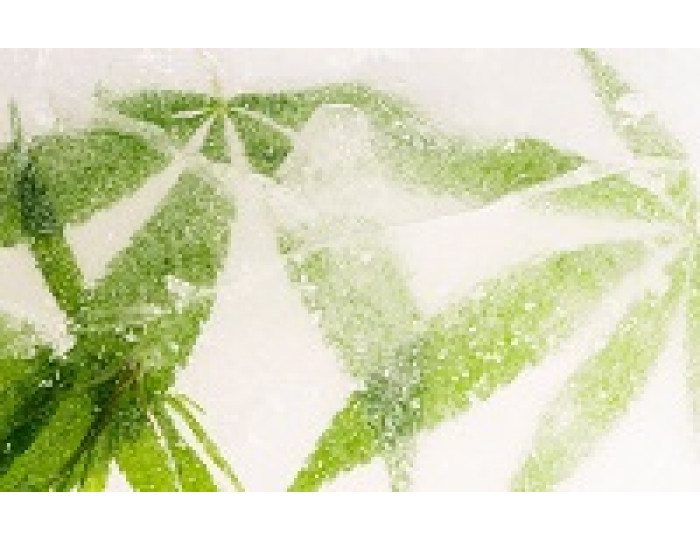
Cryogens can play an important role at almost all stages of the value chain in various businesses that use the exclusive properties of hemp, namely during harvesting, processing of raw materials, extraction, use for packaging, etc.
A US research project is investigating the benefits of cryogenic freezing of cannabinoids in industrial hemp. The use of this technology, according to American researchers, can become an effective method of preserving the therapeutic properties of a plant both from the moment of harvesting and until the final processing or sale of the final product. According to Brian Berger, Associate Professor of Chemical and Biomedical Engineering at the University of Virginia, "The research team is exploring cryogenic processing profiles that fill knowledge gaps and provide best practices to maximize the immediate transfer of the plant's exclusive properties to cannabis growers and processors looking to optimize their product performance."
A team of experts led by Mr. Berger in the cryogenic freezing laboratory is studying the effect of refrigerants (liquid nitrogen) on the amount, chemical composition and profiles of cannabinoids contained in the hemp plant. According to the researchers, cryogens can play an important role at various stages of the value chain in various businesses related to the use of the exclusive properties of hemp:
• harvesting - quick freezing of freshly harvested “green mass” of industrial hemp with nitrogen helps to prevent degradation of leaves and inflorescences or the appearance of mold, while simultaneously fixing the chemical composition;
• processing - the addition of liquid nitrogen during grinding of hemp raw materials is used in order to remove heat and stickiness, which causes clogging of production units and downtime of expensive equipment;
• extraction - using the ultra-cold properties of liquid nitrogen to maintain the temperature in the range of less than -80 ° C to ensure the correctness of the procedures;
• packaging - the addition of a small amount of liquid nitrogen to the final product helps to protect food products from oxidation or exposure to moisture, improving their organoleptic qualities and increasing shelf life.