

Findings to Draw When Analyzing the Export Potential of Canadian Medicinal Cannabis Shown in 2020
The main consumers of hemp raw materials (Germany, Israel) are actively increasing their domestic production capacity in order not to depend on export supplies. That is why Canadian hemp companies, in search of new sales markets for therapeutically active hemp products produced in the country, participate in lobbying their own interests at the legislative level of individual countries. This kind of lobbying is clearly manifested in the course of amendments to the current legislation of Ukraine initiated at the end of 2020.
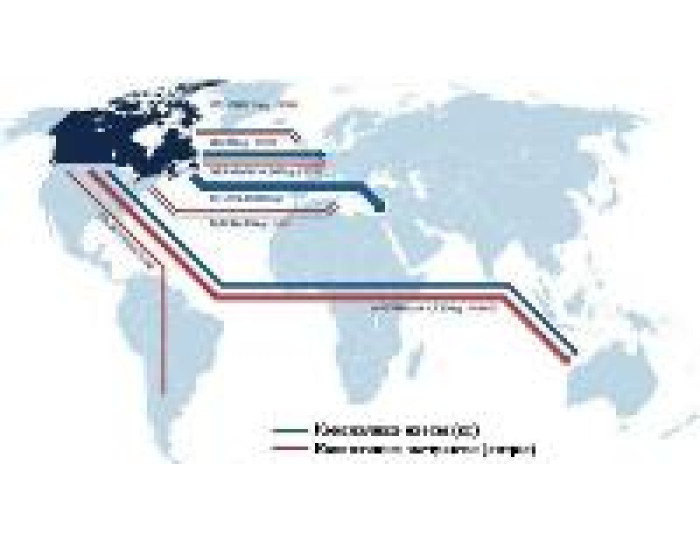
Health Canada released data showing huge growth in medical cannabis exports from Canada in 2020, as well as changing priorities for the sale of raw hemp raw materials with significant therapeutic properties to selected countries around the world.

The volume of exports of therapeutically active hemp raw materials from Canada
Analysis of published data shows that in 2020, about 15.6 tons of dried leaves and inflorescences of the plant and at least 7.3 thousand liters of cannabinoid oil or various extracts made from therapeutically active components of hemp were exported from Canada. This suggests that Canada is most likely the world's largest exporter of flowers and cannabinoid oil, outstripping that of the Netherlands, whose exports in 2020 decreased compared to 2019. In turn, another producer country, the UK, dominates the pharmaceutical market. manufactured by GW Pharmaceuticals.

Change in the direction of export supplies of therapeutically active Canadian hemp raw materials
Analyzing the available information, we can say that the export direction of therapeutically active Canadian raw materials has partially changed during 2020. In particular, in 2020, Israel became the largest importer of medical hemp flowers, Australia - cannabinoid oil or hemp extracts. They are followed by Germany, which imported in 2020 more than 4 tons of leaves and inflorescences of "green mass" with significant therapeutic potential and almost 5 thousand liters of cannabinoid oil and extracts. In addition to the above countries, Canadian hemp raw materials with significant therapeutic potential were exported to the UK, Argentina, as well as several other European countries.
It should be noted that despite the fact that in 2019 Germany imported up to 95% of hemp flowers from Canada, and the above figure in 2020 increased by 36%, Israel, which imported for needs of its own population of about 10 tones of flowers, which accounted for 63% of all sales of Canadian "green mass", which has significant therapeutic properties.
The total customs value of Canadian medical cannabis exports in 2020 was C $ 53 million ($ 43 million), up 229% from 2019. Most (83%) of this value comes from the sale of the flowers of the hemp plant.
Commentary of the specialists of the Association "Ukrainian technical hemp"
According to the Ministry of Health of Canada, during 2020, hemp raw materials with significant therapeutic potential were not actually imported into the "country of the maple leaf", and therefore could not compete with the local hemp raw materials. Canadian regulations stipulate that imported hemp cheese "cannot be sold in the provinces or territories of the country or to customers who need to use the therapeutic properties of the plant." Those. The policy of the "country of the maple leaf" is clearly protectionist in nature and is aimed at bringing domestic enterprises to the international market, in every possible way promoting exports, while blocking imports.
It should be noted that traditional importers of hemp raw materials with significant therapeutic potential from Canada and Holland are already facing competitors from Uruguay, Portugal, Spain, Denmark, Australia, as well as a number of other countries. In addition, the main consumers of hemp raw materials (Germany, Israel) are actively increasing their domestic production capacity in order not to depend on export supplies. That is why Canadian hemp companies, in search of new sales markets for therapeutically active hemp products produced in the country, participate in lobbying their own interests at the legislative level of individual countries. This kind of lobbying is clearly manifested in the course of amendments to the current legislation of Ukraine initiated at the end of 2020.