

Medical cannabis stocks in Canada exceed 1 million kilograms
From August 2021, an export-oriented national processing industry should be launched, as well as the widespread use (food, drinks, various kinds of additives, pet products, etc.) of the therapeutic properties of cannabis. The cost of final goods made from national raw materials will be much cheaper than the therapeutic preparations imposed on us, made on the basis of the same properties of the hemp plant.
Canadian licensed growers added a record 220,461 kilograms of medical cannabis to their warehouses at the end of 2020, according to statistics released by government agencies in the maple leaf country. It should be noted right away that most of the autumn harvest of leaves and inflorescences with therapeutic potential was grown in the open field. Almost 221 tonnes of the new crop is 50% more than the previous record set in 2019, thanks to the cultivation of a huge number of plants in the open air.
The obtained significant reserves of "green mass" of medical hemp are already putting significant pressure on mass producers, who will have to reduce production capacity until the supply of hemp products that are in demand by consumers is equal to demand. In addition, the surplus of stocks will affect the price of medical hemp flowers, which have been falling steadily since the end of 2018.
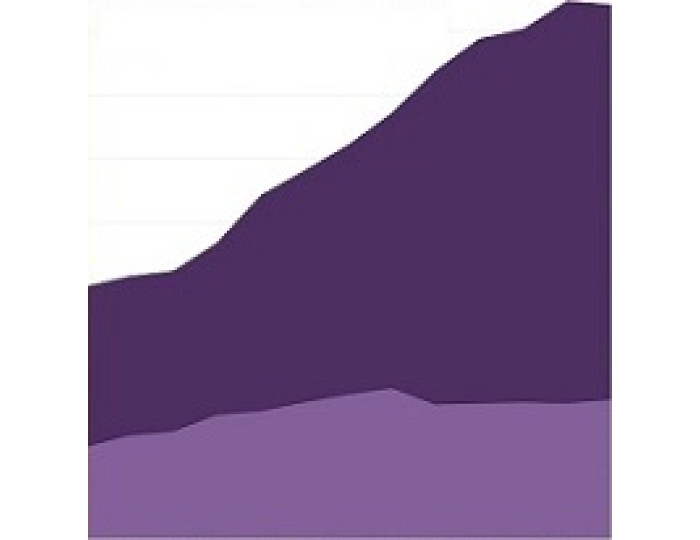
Such a significant additional volume of produced leaves and inflorescences of medical hemp in 2020 led to the fact that the total stocks of dried hemp raw materials, which have significant therapeutic potential, already amount to 1.06 million kilograms.

Number of therapeutic hemp flowers grown in Canada
According to Health Canada, the vast majority of these raw materials (about 95%) are currently held by agricultural producers and processors. Those. large growers whose warehouses are still packed with dried hemp flowers will have to write off a significant amount of stock. For example, the three largest Canadian greenhouse cannabis growers Aurora Cannabis, Canopy Growth and Tilray were forced to close their large "under glass complexes" during 2020 and write off billions of dollars in medical hemp flowers. At the same time, despite the fact that Canada's largest growers are already forced to close large greenhouses designed to grow therapeutically active hemp plants (the construction of each of which cost about $ 200 million), outdoor cultivation more than compensated the difference in raw hemp.

Planting therapeutically active cannabis in greenhouses / indoors and outdoors
Commentary of experts of the Association "Ukrainian technical hemp"
In October 2019, Canadian growers occupied approximately 232 hectares of licensed areas for outdoor medical cannabis cultivation. In 2020, the figure has more than doubled and amounted to about 576 hectares. Health Canada data show that indoor cropping is likely to peak in mid-2020 and decline in the following months. The total area of greenhouses where industrial hemp can be grown in Canada at the moment is about 204 hectares.
In the event that Canadian producers do not find use for the grown hemp flower crop, they will have to significantly reduce the already created production capacity. As one of the options for solving the problem of significant overproduction of “green mass” by various structures of the Maple Leaf country, for several years now, it has been considered lobbying for the export of this raw material or the final products made from it to foreign markets. And now we ask an elementary question, to whom and why is it profitable to lobby for the import of dried flowers of medical hemp to Ukraine, when in 2021 national cannabis growers are launching the mass production of technical hemp of therapeutic orientation, the flowers of which have enormous therapeutic potential, are grown in the open field and, among other things, are absolutely socially safe. Those. from August 2021, an export-oriented national processing industry should be launched, as well as widespread use (food, drinks, various kinds of additives, products for the pet business, etc.) of the therapeutic properties of cannabis. The cost of final goods made from national raw materials will be much cheaper than the therapeutic preparations imposed on us, made on the basis of the same properties of the hemp plant.