

Fight antibiotic-resistant diseases with terpenes
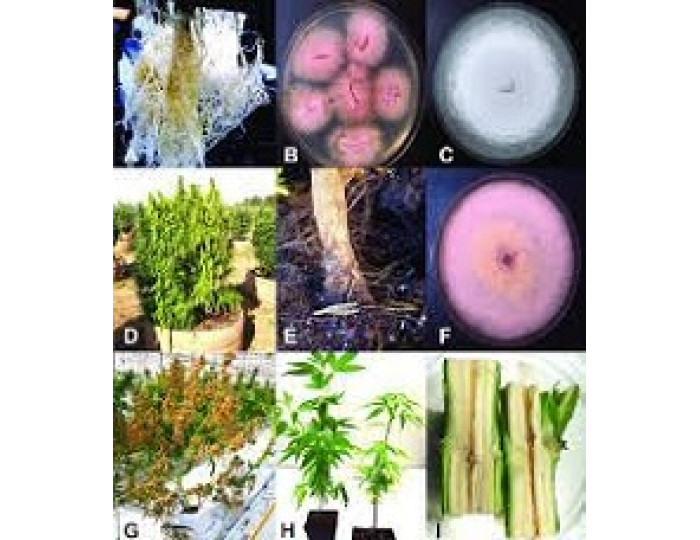
In a report prepared by the Uruguayan government agency responsible for the development of cannabis cultivation in the country, terpenes are recognized as the second most important (after drug-free cannabinoids) therapeutically active elements in the hemp plant. The concept of the development of modern cannabis growing in “Latin American Switzerland” implies the widespread assistance of government agencies in any endeavors related to the use of the therapeutic properties of hemp terpenes and cannabinoids. The prospect of using both individual hemp terpenes and their therapeutic properties as part of an "ensemble" (for example, together with drug-free cannabinoids) in the fight against a significant number of bacteria, viruses, and other pathogens is confirmed by the results of experiments conducted by Ukrainian scientists currently working in a number of EU countries.
In connection with the promising direction of using the therapeutically active properties of hemp terpenes, it would be extremely interesting to get acquainted with the analysis prepared by Sabina Pulone based on the results of studying special literature, as well as publications in specialized medical journals.
The discovery of antibiotics revolutionized therapeutic approaches to combating microbial infections and undoubtedly saved millions of people. In the mid-20th century, antibiotics were seen as magic drugs capable of selectively suppressing the growth of disease-causing microbes without affecting the patient. Despite this general consensus, evidence emerged almost immediately that induced antibiotic resistance was possible with overuse.
The increased demand for prophylactic antibiotic treatment in various industries (agriculture, livestock, etc.) over time has led to the overuse and sometimes irresponsible use of valuable antimicrobial molecules. This has fostered the development of resistant strains as well as the natural selection process where nature endows bacteria with resistance to low-level antibiotics.
There is always a great need for new molecules (primarily naturally occurring) capable of inhibiting bacterial growth, due to the increase in resistant strains and the associated serious public health consequences that follow. Among natural molecules with the above properties, much attention has recently been paid to terpenes of plant origin, which can be developed as a new class of antimicrobial molecules exhibiting a synergistic effect against multi-resistant bacterial strains.
Terpenes are molecules formed by combining head-to-tail isoprene units to form cyclic or acyclic structures. Depending on the number of carbon atoms, they are divided into monoterpenes, sesquiterpenes, diterpenes, etc.
Monoterpenes are the main volatile components of essential oils. These molecules contain oxygen-containing substituents (thus capable of forming hydrogen bonds; for example, thymol, carvacrol, menthol, etc.), show great activity against several varieties of gram-positive and gram-negative bacteria (editor's note: bacteria that do not stain crystal violet when using staining of microorganisms according to the Gram staining method - gram-negative; stained - gram-positive).
Monoterpenoid geraniol, functionalized with acyclic and alcohol groups, has been extensively studied against multidrug-resistant microorganisms (studies of Helichrysum italicum (curry plant) showed that geraniol is the most active component of essential oil, capable of modulating antibiotic resistance in bacteria, inhibiting their activity).
The combination of sesquiterpenes and various antibiotics such as tetracycline, erythromycin and penicillin has been observed to positively enhance the antimicrobial activity of these drugs against resistant strains such as Staphylococcus aureus (Staphylococcus aureus).
A large number of diterpenes also showed an improvement in the pharmacological activity of antibiotics in relation to the spectrum of various bacteria. For example, studies on diterpene Labdanovy from Zingiber monthanum (mountain ginger) against Staphylococcus aureus and methicillin-resistant Staphylococcus aureus have highlighted potential antimicrobial activity with minimally inhibitory concentrations of 46 to 93 μg / ml.
Many other studies of this class of aromatic natural molecules indicate their great ability to reduce bacterial growth and fight antibiotic-resistant diseases. Consequently, plant-based terpenes can become the basis for the development of a new type of antimicrobial agents that can fight antibiotic-resistant diseases.
Commentary of the specialists of the Association "Ukrainian technical hemp"
In a report prepared by the Uruguayan government agency responsible for the development of cannabis cultivation in the country, terpenes are recognized as the second most important (after drug-free cannabinoids) therapeutically active elements in the hemp plant. The concept of the development of modern cannabis growing in “Latin American Switzerland” assumes the widespread assistance of government agencies in any endeavors related to the use of the therapeutic properties of hemp terpenes. The prospect of using both individual hemp terpenes and their therapeutic properties as part of an "ensemble" (for example, together with drug-free cannabinoids) in the fight against a significant number of bacteria, viruses, and other pathogens is confirmed by the results of experiments conducted by Ukrainian scientists currently working in a number of EU countries.