

What is cognitively overproduction in the USA for the Ukrainian hemp market
The immaturity of the hemp business in modern conditions shows that the market is limited to a certain level of consumer abilities , especially if there is no full-fledged processing complex , effectively operating in the main sectors of modern hemp - the food , textile , bioenergy , chemical , cosmetic , construction , medical and others . At the same time, do not forget that such unprotected and immature marketshow Ukrainian can become a platform for “unloading” oversaturated markets , which will lead to the destruction of a few domestic producers , which the state is not trying to protect or support in the current difficult economic situation .
The issue of cyclical overproduction in the hemp market in the economically developed countries of the world has been raised several times on the pages of the profile electronic publication of Ukrainian hemp breeders (an analysis of this trend , as well as mechanisms to prevent and prevent it, are clearly demonstrated in the lecture “ Dynamics of the development of world hemp breeding over the last 5 years ” held as part of the “ Hemp University ”). In particular, attention was focused on the fact that in several states of the United States at once during 2018-2019. crises of overproduction occurred , which led to the ruin of fairly large regional producers of hemp raw materials and the departure of some processors from the market , as well as the suspension of the development of the sales system . This material is interesting because information on one of the administrative territorial units of the United States is provided by government agencies , which in itself suggests that the country's policy in the field of modern hemp breeding is not only to create a perfect regulatory framework , lobbying the interests of their own producers for international markets , but also regular market analysis , as well as informing about the dynamics of its development , which is the basis for further steps aimed at developing the rapidly developing highly profitable agricultural sector of the most developed country in the world .
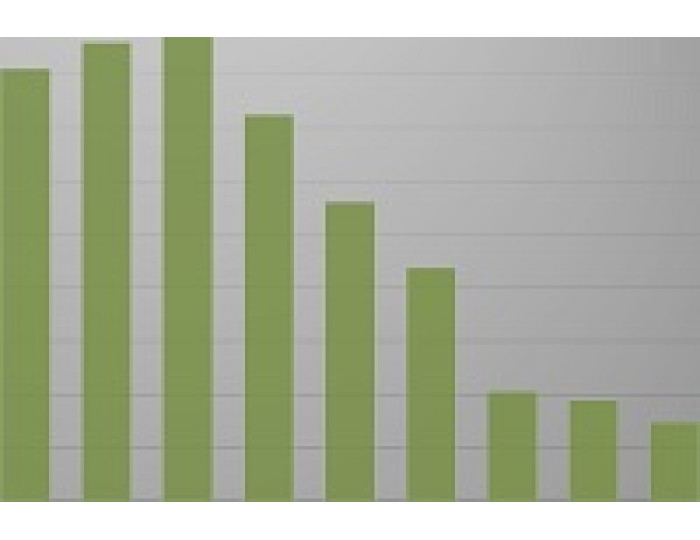
The American state of Kentucky is one of the states where hemp was cultivated and continues to grow at different times in the history of the country as a raw material for the production of various goods - from food to medicines . The State Department of Agriculture, analyzing the situation in the industry as of the current year, reports that in 2020 there is a decrease in licensed producers of products of all areas of modern hemp breeding and a decrease in sown area occupied by the most highly profitable agricultural crops . Back in 2014, the Kentucky Department of Agriculture, as part of a pilot program to support cannabis growers , licensed 960 growers to grow to 32 yew. acres (about 13 thousand hectares) of plants in open ground and 4.6 million square pounds (1.4 million square meters) in greenhouse complexes . In 2019, 1,047 farms covering an area of more than 50 thousand were licensed . acres (a little over 20 thousand ha). According to official sources , the year 2019 for the industry ended with indicators of 978 licensed cannabis production and 10.7 thousand. ha of crops. At the same time, at the beginning of 2020, only 157 farms requested a license , and then not for growing, but partially to preserve the possibility of legal storage of last year's crop and its sale . At the same time, there is practically no guarantee that they will be able to sell their crops this year, since the hemp market is in free fall due to oversaturation, uncertainty and the consequences of the coronavirus pandemic .
Before the outbreak of the virus, prices for hemp biomass fell sharply compared to last year - from about $ 40 per pound to $ 7.5, depending on the concentration of drug-free cannabidiol in the leaves and inflorescences . In some regions, prices fell in double digits this spring, as large volumes of last year's harvest are still in storage and cannot be shipped to processors .
The dynamics of the value of leaves and inflorescences of cannabis , possessing therapeutic properties on the market of Kentucky

Kentucky agricultural leaders insist they repeatedly warned hemp farmers and processors of the high risks associated with over-investing in an emerging industry . In recent years, hemp enterprise staff experienced a boom thanks to new investments and interest on the part of farmers , processors and the growing demand for food , cosmetics and pharmaceutical preparations in the composition of which includes beznarkoticheskie including cannabinoids .
Do not deny analysts and problems in matters of uncertainty with regulatory support in the production of food and non-food products made on the basis of the exclusive biological / therapeutic properties of hemp plants . That is why today, American business is constantly reminded of the instability of the development of the hemp products market and the multiple risks associated with possible bankruptcies and loss of expected income.
Official statistics on the development of the industry in the state show that the gross sales of products in 2019 amounted to $ 193.9 million (in 2018 - $ 57.75 million). In 2019, about $ 207.3 million was spent on capital investments in hemp breeding , compared with $ 23.4 million in 2018. About 1300 employees were directly employed in the production of hemp raw materials . It also paid $ 51.3 million to farmers for harvested hemp materials , which is an order of magnitude more than in the previous period of time. Although the “dry” numbers show industry growth , they probably do not take into account the hemp market volatility observed over the past few months.
Commentary experts of the Association " Ukrainian industrial hemp "
A similar situation with the saturation of the hemp market is observed in the Baltic countries, where farmers cannot sell their crops, which they easily planned to sell , making money to expand their business further . The immaturity of the hemp business in modern conditions shows that the market is limited to a certain level of consumer abilities , especially if there is no full-fledged processing complex , effectively operating in the main sectors of modern hemp - the food , textile , bioenergy , chemical , cosmetic , construction , medical and others . At the same time, one should not forget that such unprotected and immature markets as Ukrainian can become a platform for “unloading” oversaturated markets , which will lead to the destruction of a few domestic producers , which the state is not trying to protect or support in the current difficult economic situation .