

Technologies that use the exclusive properties of hemp to create new types of biocomposites
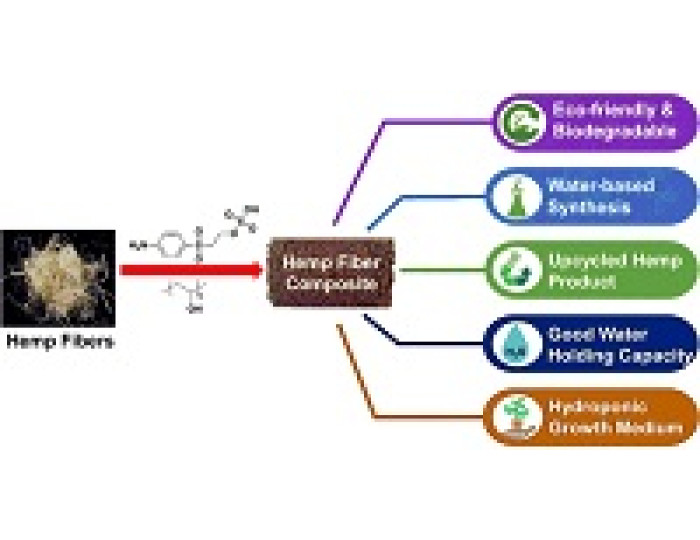
The technologies of American chemists allow to chemically combine the structure-imparting component of hemp fibers, lignin, with "binding molecules" that strengthen the resulting biocomposite. Unlike previous methods, this approach requires exclusively water as a solvent, resulting in harmless inorganic salts rather than volatile organic compounds as by-products.
In the United States, not only industrial sites are being actively created, on which capacities for the primary and deep processing of the fibrous part of the hemp plant are concentrated. Hemp stem processing technologies are rapidly developing, as well as the use of fiber and fires for the production of products with high added value. Carefully studying the experience of France and Canada, manufacturers of biocomposite materials pay special attention to the mechanical and physical characteristics of hemp raw materials, including that segment of modern hemp breeding, which specializes in growing agricultural products in greenhouses or indoors.
American experts already know that mixing hemp fibers with other materials can form multifunctional biocomposites suitable for growing plants using hydroponics - soilless gardening that, among other benefits, significantly reduces the use of land, water and pesticides.
However, hemp-based biocomposites can sometimes lack the mechanical strength required for proper plant growth, and modern chemical methods developed to improve the structural integrity of these biocomposites typically produce volatile organic compounds that are harmful to health and the environment.
It was the technologies of American chemists that attracted the attention of the editors of the specialized electronic edition of national cannabis growers, which allow them to chemically combine the structure-giving component of hemp fibers, lignin, with "binding molecules" that strengthen the resulting biocomposite. Unlike previous methods, this approach requires exclusively water as a solvent, resulting in harmless inorganic salts rather than volatile organic compounds as by-products.
Mechanical tests have shown that the new biocomposite is stronger than the standard hemp counterpart and retains its shape much better when subjected to compressive forces. It can also contain about twice as much water as pure hemp fiber, which is almost comparable in capacity to commercial peat moss.
As an experiment, researchers have already started growing Daikon radishes and green peas from biocomposite, which is a promising sign of its potential as a viable and environmentally friendly environment for growing crops in greenhouses and indoors.
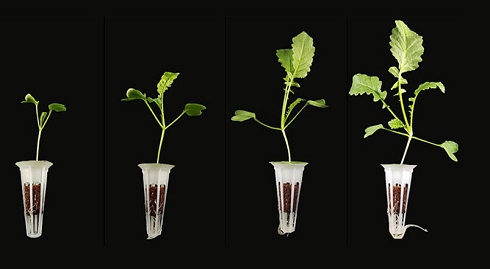
Applying the chemical method to other lignin-containing fibers, including flax, jute and coconut husks, could lead to a set of sustainable biocomposites for use in culture media, bioplastics and packaging materials, the researchers said.
Expanding the range of hydroponic growing media can be especially important as the world's population continues to grow, water resources become scarcer, and topsoil erosion makes traditional farming difficult.
Commentary of the specialists of the Association "Ukrainian technical hemp"
During the training of the third stream of students of the " Hemp University ", a specialized round table " Hemp raw materials - technologies for its use in construction, production of biocomposite materials and furniture " was held. Despite the fact that the use of hemp raw materials on the territory of our country as a basis for the production of biocomposite materials is currently in its infancy, certain know-how in this area of modern hemp growing in Ukraine has been created. Issues related to the use of biocomposite materials both on the territory of our country and in economically developed countries of the world will be considered during the round table “Ukraine's place in the modern market for products from the fibrous part of hemp”, which will be held on November 3 as part of the training of the seventh stream of listeners " hemp University ".