

Known mechanisms of therapeutic properties of CBD
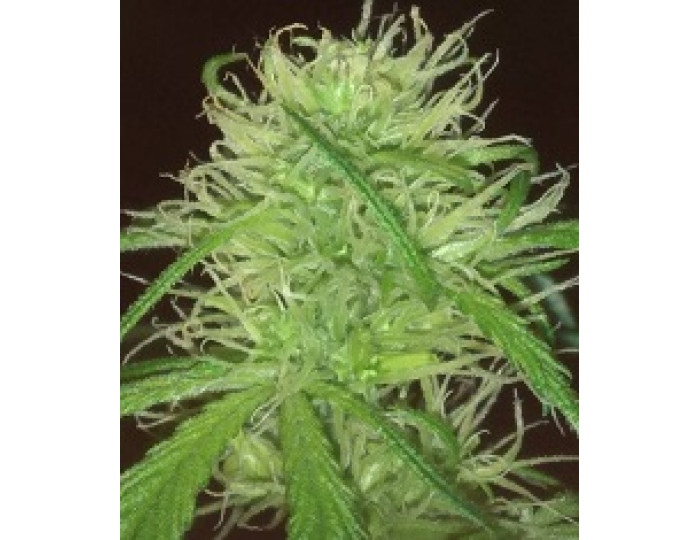
Ongoing studies on animals and human volunteers in developed countries indicate that the leaves and buds of the registered in Ukraine varieties "Mriya" (the number of CDB up to 3%) , very effectively demonstrate contained in these health-restoring / therapeutic properties in cases of their use as food nutrition , cosmetics , biologically active or feed additives .
A significant number of people in different countries of the world pay more and more attention to the therapeutic properties of hemp plants as an effective alternative to modern, sometimes aggressive drugs that can not cope with their intended use with prolonged use, causing side effects and worsening the general condition of the patient’s body. Various natural components of industrial hemp , for example, such as cannabidiol (CBD) or other cannabinoids , regularly prove their effectiveness, and therefore cause a significant blow to the market for pharmaceutical products mass-produced by the pharmaceutical industry.
Hemp compounds contained in cannabis-free cannabis varieties have unique therapeutic properties that are rarely found in any other natural compounds and, especially, pharmacological preparations.
As the hemp market develops and consumers acquire more and more food , cosmetics , biologically active / feed additives or other products that include various components of the hemp plant , more and more often the question arises as to why pay for the patents included in the price pharmaceutical preparations made on the basis of the therapeutic properties of hemp , if the healing properties of the plant can be used in those cases when they will work effectively in inexpensive goods . The main reasons why an increasing number of people are paying attention to hemp products , the composition of which includes plant cannabidiol , are:
The composition hemp according to research , there are over 400 different elements having substantial therapeutic properties - terpenes, Finola, terpenoids, flavonoids, etc. About 120 cannabinoids were found in the plant , the most famous of which is cannabidiol . Not only do the above constituent plants have significant therapeutic potential per se , when the leaves and inflorescences of the plant are used for therapeutic purposes , the “ ensemble effect ” works when the synergy of the action of several elements on any disease increases their therapeutic potential by an order of magnitude .
Endocannabinoid system
The endocannabinoid system is a network of components in the human body that play an important role in our internal biological system. The endocannabinoid system includes receptors CB1 and CB2, which are located in the peripheral and central nervous system. CBD acts on both of the above receptors, giving positive effects. This plant cannabinoid interacts with the endocannabinoid system without directly binding to CB1 and CB2. Instead, CBD indirectly affects these receptors, activating receptors responsible for controlling the perception of pain, inflammation, temperature, etc. This natural cannabinoid under certain conditions leads to an increase in the level of anandamide in the body. Anandamide is a neurotransmitter and neuroregulator that plays an important role in the mechanisms of the origin of pain, depression, appetite, memory, and reproductive function. It also increases the resistance of the heart to the arrhythmogenic effect of ischemia and reperfusion by activating CB2 receptors.
CBD and serotonin receptors
Researchers have found that CBD interacts with serotonin receptors, demonstrating positive effects through the activation of hydroxytryptamine receptors, which relieve depression, anxiety and irritability. When these receptors are activated by cannabidiol , they interact chemically, which in turn leads to the containment of reactions and slows down the passage of signals.
When you consume a product that contains cannabidiol , CBD binds to various ion channels in the body to produce a therapeutic effect . Vanilloid or TRPV1 receptors also act as ion channels. These receptors are responsible for the normalization of body temperature, inflammation and pain perception. After CBD enters the bloodstream , it binds to the vanilla receptors, causing an analgesic effect.
CBD and orphan receptors
CBD interacts not only with serotonin and vanilloid receptors, it also interacts with orphan receptors, activating them. Orphan receptors are found in various tissues and cells and play an important role in proliferation (the growth of body tissue by cell multiplication by division), apoptosis (a regulated process of programmed cell death), cell differentiation (the process of implementing a genetically determined program for the formation of a specialized cell phenotype), embryogenesis (development and the formation of the human embryo), metabolism and immunity. CBD , if necessary, can block the action of the above receptors. These receptors are present in the cerebellum of the brain and are thought to play an important role in modulating bone density and blood pressure. Orphan receptors help stimulate the function of osteoclast cells (giant multinucleated vertebrate cells that remove bone tissue by dissolving the mineral component and destroying collagen), which causes bone reabsorption.
CBD and nuclear receptors
CBD can help patients with cancer , but ordinary people do not understand the algorithms for the action of this cannabinoid and the mechanisms of cannabidiol to create cancer control effects . The natural supplements that contain plant cannabidiol affect the nuclear receptors, also known as PPARs, present on the outer surface of the cell nucleus. When CBD interacts with the above receptors, this drug-free cannabinoid causes a tumor inhibition process .
CBD helps people with epileptic seizures , and scientists have shown a significant positive effect of using plant cannabidiol for highly effective treatment of this kind of disease , leading not only to a significant improvement in the condition of patients, but also their complete recovery . Studies show that CBD acts as a inhibitor of the breakdown of endocannabinoids, which increases their level in the synapses of the brain. In fact, increasing the quantity and improving the quality of endocannabinoids, cannabidiol blocks seizures , and also creates conditions for the impossibility of their occurrence in the future.
Commentary experts of the Association " Ukrainian industrial hemp "
At the moment, in Ukraine, the possibility of using the therapeutic properties of industrial hemp for industrial purposes is not regulated. Despite this, national scientists are successfully working on methods for the use of leaves and inflorescences of technical hemp of a therapeutic orientation, regularly traveling abroad for this purpose. Ongoing studies on animals and human volunteers in developed countries indicate that the leaves and buds of the registered in Ukraine varieties "Mriya" (the number of CDB up to 3%) , very effectively demonstrate contained in these health-restoring / therapeutic properties in cases of their use as food nutrition , cosmetics , biologically active or feed additives . In particular, several dozens of cases of the full recovery of patients with severe, including chronic diseases, who used only the biologically active additives enhanced with the organomineral complex of humic substances , the therapeutic properties of the “Mriya” green mass for the treatment of the following types of diseases, were documented :
- oncological (bones, uterus, pancreas; intestines);
- neurodegenerative (epilepsy, Parkinson's);
- autoimmune (Crohn's disease, ulcerative colitis);
- viral (measles, smallpox, HIV);
- musculoskeletal system (hernias, consequences of compression fractures, Osgood-Schlatter);
- endocrine system (diabetes mellitus);
- other.