

How soon food products containing therapeutically active elements of hemp will flood the national market
The exceptional absence of a departmental normative legal act does not make it possible in our country to “launch” the food market based on the therapeutic properties of the leaves and inflorescences of therapeutic hemp. Analyzing the information provided by our North American colleagues and observing the growing tendencies for overproduction of this product, we can already assert that after a short time, an excess of food products based on the therapeutic properties of various components of the hemp plant will seek its implementation outside the country of origin. Those. already in 2021, if Ukrainian producers are not provided with the appropriate conditions for creating similar products and selling them on the market, we will be dominated by the cheapest and not always high-quality goods, first from Canada, the USA, and then our neighbors from the EU countries.
On the pages of the specialized electronic edition of Ukrainian cannabis growers, " Trends in the" edible "market of hemp leaves and inflorescences " have already been described . Thanks to our North American colleagues, it is possible to “examine” more deeply those hidden springs that will soon “spill” food products made using the therapeutic potential of the hemp plant on external markets, including the national market.

Published data from a Canadian regulator show that food manufacturers that include cannabis leaves and buds or their derivatives that have significant therapeutic potential in Canada already store more goods than they can sell.
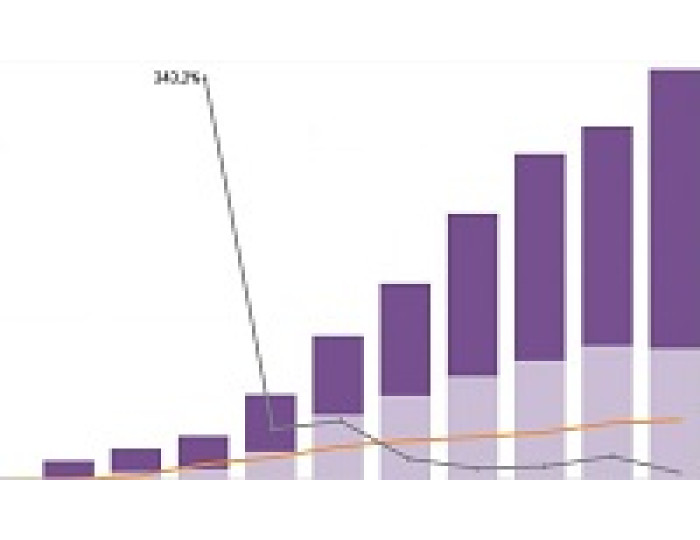
In August, federal licensees, provincial distributors and retailers stocked nearly 10 million packaged food items formulated with cannabis leaves and flowers or derivatives with significant therapeutic potential, including beverages.
In comparison, according to Health Canada, approximately 1.42 million units were sold this month through pharmacy or retail sales channels.
In August, federal license holders owned 6.6 million units of cannabis leaves and flowers, which have significant therapeutic potential, up from 5.2 million units in July. At the same time, retailers and regional distributors have reduced their total inventories, although the number of retail outlets has increased. Specifically, provincial distributors and retailers had about 3.1 million food items that contain cannabis leaves, buds or derivatives with significant therapeutic potential, up from 3.2 million in the previous month.
The 1.42 million units of cannabis leaves and buds or derivatives sold in August were 6.8% higher than recorded sales in July, accounting for about a third of the growth from June to July. However, it should be noted that the growth in sales of food products containing therapeutically active elements of hemp in August was the lowest since the introduction of this product on the market at the end of 2019 (clearly indicating market saturation).
According to one of the American consulting companies specializing in cannabis market analysis, in dollar terms, sales increased in several key markets in Canada. Specifically, August data show that sales of foods containing therapeutically active hemp in Ontario, British Columbia and Alberta reached C $ 5 million ($ 3.8 million), up from 4.7 million. million Canadian dollars in July.
Commentary of experts of the Association "Ukrainian technical hemp"
The exceptional absence of a departmental normative legal act does not make it possible in our country to “launch” the food market based on the therapeutic properties of the leaves and inflorescences of therapeutic hemp. Analyzing the information provided by our North American colleagues and observing the growing tendencies for overproduction of this product, we can already assert that after a short time, an excess of food products based on the therapeutic properties of various components of the hemp plant will seek its implementation outside the country of origin. Those. already in 2021, if Ukrainian producers are not provided with the appropriate conditions for creating similar products and selling them on the market, we will be dominated by the cheapest and not always high-quality goods, first from Canada, the USA, and then our neighbors from the EU countries.