

Cannabinoid acids (thesis)
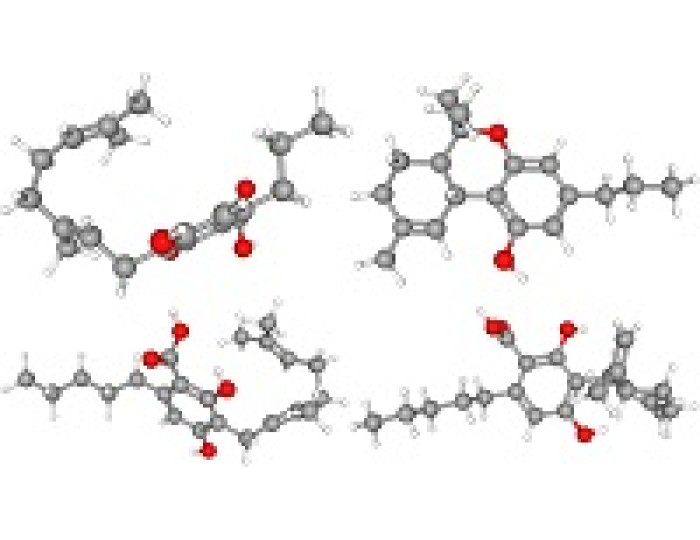
Untreated leaves and inflorescences of a hemp plant contain cannabinoid acids, which, in terms of their therapeutic effect on the human body, are ten times more powerful than cannabinoids, into which they are converted through a number of biosynthetic stages.
The hemp plant contains a wide variety of different therapeutically active compounds, including terpenes, terpenoids, flavonoids, finols and cannabinoids. Cannabinoids are the most well known and fairly well researched. Despite the fact that millions of people use them for health or medicinal purposes, few people know that these compounds must undergo a chemical reaction before they can have their effect on the body and brain.
Untreated leaves and inflorescences of a hemp plant contain cannabinoid acids, which, in terms of their therapeutic effect on the human body, are ten times more powerful than cannabinoids, into which they are converted through a number of biosynthetic stages.
This process begins with cannabigerolic (CBGA) and cannabigerovaric (CBGVA) acids, which are called the "mother" cannabinoids. CBGA and CBGVA are formed from the synthesis of hemp plant phytochemicals. Depending on the type of enzyme (THCA / CBDA synthase), these chemical precursors can be converted to tetrahydrocannabinolic acid (THCA) and cannabidiolic acid (CBDA), as well as several other acids. From here, cannabidnoids are born through a process called decarboxylation (loss of carbon dioxide).
Cannabigerolic acid (CBGA)
Dihydroxybenzoic acid, diterpenoid, polyketide, which is produced from olivetholic acid. In the plant, olivetholic acid and geranyl diphosphate are synthesized in CBGA. CBGA is converted in the plant to CBDA and THCA, respectively. Subsequently, THCA and CBDA can be decarboxylated to THC and CBD by drying and heating the plant material. Research suggests CBGA is effective as an anticonvulsant and also in the treatment of epilepsy.
Cannabigerovaric acid (CBGVA)
It is a precursor of the carboxylic acid of cannabigerovarin. Research suggests CBGA is effective as an anticonvulsant and in the treatment of epilepsy and hyperthermia.
Tetrahydrocannabinolic acid (THCA)
It is a precursor to tetrahydrocannabinol (THC). THCA is found in varying amounts in fresh, undried hemp leaves and buds, but gradually decarboxylates to THC when dried, especially with intense heating. Research on tetrahydrocannabinolic acid (THCA) indicates that it may be an effective anti-inflammatory, antiemetic and neuroprotective agent, as well as a novel compound for the treatment of Huntington's disease.
Tetrahydrocannabivarin (THCV)
Research on tetrahydrocannabivarin has shown that it can be effective as a treatment for obesity because it actually suppresses appetite, helps with diabetes, reduces panic attacks, stimulates bone growth, and is effective in treating Alzheimer's disease.
Cannabidiolic Acid (CBDA)
Most common in glandular trichomes in the ovary of a plant. CBDA is the chemical precursor to cannabidiol (CBD). During the decarboxylation process, cannabidiol is formed through the loss of carbon and two oxygen atoms. Possesses powerful therapeutic potential in preventing the spread of breast cancer.
Cannabichromenic Acid (Cannabichromenate, CBCA)
It is a precursor to cannabichromene (CBC), a non-psychoactive cannabinoid that has anti-inflammatory, antimicrobial and analgesic effects. Cannabichromenic acid itself has been determined to have potent antifungal and antibacterial properties.
Commentary of the specialists of the Association "Ukrainian technical hemp"
During the specialized round table “Exponential growth of the market for unconventional therapeutically active elements of cannabis” conducted as part of the training of the next course of students of the “ Hemp University ” its many times more powerful therapeutic properties and are found in the overwhelming majority in fresh leaves and inflorescences of therapeutic hemp.