

China Konoplevodstvo
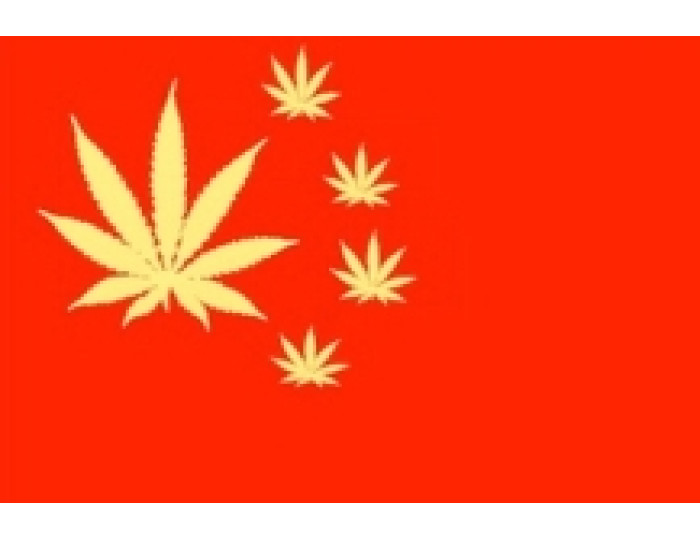
Any innovations associated with the development of konoplevodstva worldwide are under close attention of China. Hemp industry is rapidly modernizing country, so it is safe to say that in the near decade the pace of development of Chinese konoplevodstva unlikely to be reduced.
For thousands of years, hemp is an integral part of Chinese industry, and medicine. It is in the history of folios "China" for the first time in world history, uses of plants are described. In modern China banned the cultivation and processing of cannabis for recreational purposes, but the hemp industry is based on the use of malonarkoticheskih varieties is not only legitimate, but also a booming industry of the country management. One of the indicators of Chinese business interest in the further development konoplevodstva is the trend of buying up all over the world any patents somehow associated with the cultivation of a hemp processing.
A Brief History of Chinese konoplevodstva
Cannabis cultivated in China for over 6000 years. In addition to millet, sorghum, beans and rice, hemp was one of the major crops grown in the primitive communities living in the Neolithic period. For dozens of centuries have used all the components of the plant (seeds, fiber, fire, leaves, inflorescences) in various areas of management of ancient Chinese economy. Since ancient times, hemp ingredients were used as food, used as a cosmetic, the basis for the production of textile, knitted, twisted products, paper and pharmaceuticals.
Over the centuries, the most famous physicians of ancient China extolled the medicinal properties of seeds, leaves and inflorescences before medicines made of other medicinal plants for the treatment of a huge range of diseases. It was the Chinese emperor Shen Nung in the official history of mankind belongs to the primacy of the medical cannabis applications. Shen Nung first proposed cannabis as a medicine since ancient times, was a gifted healer. To this day came the ancient treatise written by Shen Nung, called "Shennong ben Cao Jing". This, the oldest known medical treatise, hemp referred to as "miraculous" plant. It talks about the medicinal properties of cannabis as an effective sedative, as well as analgesic and hypnotic. In the time of Shen Nung hemp treat constipation, malaria, women's diseases. Products treated with cannabis as a pain, prolonged fever passes, they were part of a complex treatment plants, a number of chronic diseases.
Since its inception in 1949, the People's Republic of China, the Government is actively pursuing a policy of providing support for any initiatives aimed at developing konoplevodstva in the country. On the one hand for several decades hundreds of scientific research institutes in China spend tens of thousands of research aimed at improving the various properties of seeds, fibers, grain quality and potential for use on a commercial scale as a basic foodstuff. On the other, the government conducts a policy for the destruction of cannabis used for recreational purposes.
Chinese Hemp Industry
Despite the tough attitude of official Chinese authorities to cannabis crops, which is not used for industrial purposes, a plant traditionally grown by the villagers most of the country. Personally grown hemp seeds are the basis of a huge number of dishes on the table of Chinese peasants, and the fiber is almost universally used for the manufacture of mats or homespun cloth.
Undoubtedly, China has for decades recognized as a worldwide leader in the production of hemp. Particularly impressive is controlled by Chinese manufacturers worldwide volume of products made from hemp fiber (textiles, knitwear, footwear, etc.). The country is the world's largest producer of objects from raw hemp and hemp products exports to all continents, making a special rate on the countries of North America and Europe. In this case the lion's share of Chinese hemp raw materials grown in Shandong and Yunnan provinces.
Currently, the government pursues a company to increase the amount of land on which is grown the most profitable crop - hemp. One of the primary objectives of reducing the number of put cotton crops on the one hand, and on the other parties involved in the cultivation of cannabis malonarkoticheskoy manpower depressed agricultural areas of the country. Government officials of the Communist Party of China has repeatedly voiced thesis that the planned significant increase in acreage under cultivation of industrial hemp will avoid poverty more than three million Chinese farmers, and in addition will double the income of agricultural producers, specializing in the cultivation of industrial hemp cultivation technology. In 2009, one of the autonomous prefecture in southern Yunnan world's most modern plant for the processing of hemp fiber was built. The plant, owned by China Hemp Industrial Holding Investment Co Ltd, has an annual capacity of about 2,000 tons of hemp fabric per year. China State officials say that this kind of plants until 2020 will be created in the provinces of Xinjiang, Inner Mongolia, Heilongjiang, Gansu and Anhui. Accordingly, the plan to expand the raw material base for the normal functioning of plants in the above regions.
The use of cannabis for medical purposes
Cannabis in China since ancient times is considered one of the basic and fifty plants used for herbal medicine for thousands of years. Modern traditional Chinese medicine is currently very widely used cannabis in their practices. Traditional Chinese medicine uses hemp ingredients, primarily in the form of various herbal preparations or infusions, use of cannabis seeds for protection against diseases of the gastrointestinal tract.
Future industrial konoplevodstva "Middle Kingdom"
Chinese companies currently own more than 310 thousands of worldwide patents registered at the World Intellectual Property Organization. Given the fact that all the innovations associated with the development of konoplevodstva around the world are under the scrutiny of China, as well as the fact that hemp industry of the country is rapidly being upgraded, we can say with confidence that in the next decade the pace of development of Chinese konoplevodstva unlikely to be reduced.
Information taken from the site http://tku.org.ua