

Hemp as new growth areas for vertical farms
Opportunities for growing hemp plants through vertical farms, which will later be used in various sectors of modern business, are being actively explored not only in South Korea, but also in the USA, Denmark, Poland, as well as a number of other economically developed countries of the world.
On the pages of the specialized electronic edition of Ukrainian cannabis growers, the question of the rapid growth of a relatively new sector of modern cannabis growing associated with the creation of vertical cannabis farms has already been raised several times. Using the example of one of the South Korean companies, we will try to figure out why this segment of the hemp industry in economically developed countries has certain development prospects.
Due to the need to secure local supplies of fresh vegetables during the coronavirus pandemic, vertical farms in selected economically developed countries are partially reorienting their activities, actively trying to gain a foothold in a number of highly profitable agricultural sectors, for example, such as therapeutic hemp, raw materials for food additives and cosmetics.
South Korean startup "Farm 8 Co." is one of the fastest growing urban manufacturers whose sales skyrocketed during the Covid-19 epidemic. CEO Kang Dae Hyun claims that in 2021, Farm 8 Co. plans to increase sales by almost 50% to ($ 79 million), partly due to an increase in the production of plants that are later used for the manufacture of medical and cosmetic products - ginseng, asiatica centella, wormwood, and hemp. According to Mr. Kang, “There is a huge demand for the therapeutic properties of the hemp plant and the market is growing rapidly. Despite the fact that most of our production is devoted to salad greens, we are ready to increase the production of exactly those plants that can be used in the future for the production of various kinds of cosmetic products or pharmaceuticals, in order to significantly increase the profit received from our activities. "
Commentary of the specialists of the Association "Ukrainian technical hemp"
Lettuce greens are the traditional marketplace for vertical farms, with a guaranteed supply of quality controlled fresh produce that must reach the consumer quickly regardless of the weather or season. While vertical farming uses 90% less water and reduces emissions from traditional farming activities (plowing, weeding, harvesting, transporting), the use of much more energy makes this farming method unsuitable for many crops, for example such as cereals. Despite this, the advantage of vertical farms for industries such as cosmetics and medicine is the ability to comply with strict quality parameters of the products grown.

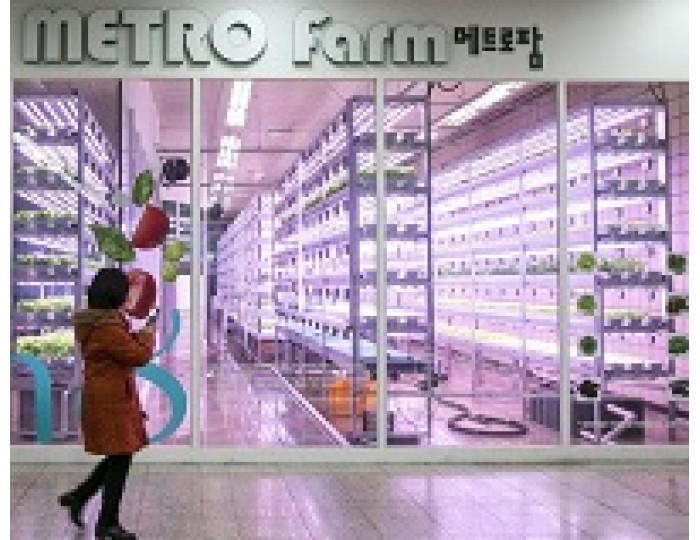
Six row South Korean vertical farm
South Korea became the first country in East Asia to regulate the legal use of cannabis for medical purposes in 2018. In August 2020, the government of the country established a free trade zone for technical hemp in Andong city for the legal cultivation and extraction of plant cannabinoids for further medical purposes. Opportunities for growing hemp plants through vertical farms, which will later be used in various sectors of modern business, are being actively explored not only in South Korea, but also in the USA, Denmark (Danish International Scientific Center for Cosmetics), Poland (Vertigo Farms), as well as a number of other economically developed countries of the world
National experience of legal cultivation of hemp plants in greenhouses and premises, as well as developments related to the possibilities for the implementation of various projects, the basis of which is the possibility of using vertical farms, will be shared with the listeners of the 6th training stream of the Hemp University within the framework of the round table “ Problems and prospects for the use of therapeutically active elements of hemp as a basis for nutraceuticals, medicinal cosmetics, animal feed or other products that have medicinal properties of the plant ”.