

Hemp as a Potential for the Economy - New Zealand Seeking Solutions
There is a notion in the country that the largest potential market for cannabis is CBD nutraceuticals, oils and balms used in the cosmetic field, and drug-free cannabinoids as an ingredient in a wide range of foods and beverages.
Many countries of the world, such as New Zealand or Ukraine, are looking for options for optimal use of the hemp plant as a segment of the economy, which is already successfully showing itself on the American, Asian and European continents. New Zealand today is a country with quite a lot of experience in the production of food and drinks, which it successfully exports, filling the budget of the island state. The global pandemic associated with the spread of COVID-19 has negatively affected the growth of the world economy, not to mention the countries that are directly related to tourism or the efficient use of human resources. There is no state in the world that would not feel the decline in the dynamics of the economy and that would not look for a way out of the current situation. That is why there is an interesting discussion in New Zealand concerning the possibilities of using the hemp plant, which, according to local experts, could significantly revive the country's economy and expand employment.
There are already a number of companies in New Zealand (about 10 growers) that have attracted investments to develop the local industrial hemp industry, which gradually broadened the perception of domestic consumers about the possibilities of using the plant. To scale up their production and open new segments, producers need not just government support, but changes in the country's regulatory framework, which will ultimately help New Zealand change its position in the global hemp market, as well as stimulate further growth in export supplies of both raw materials and and products with high added value.
New Zealand's cannabis law permits the processing of seeds for food and stems for fibrous materials, while prohibiting the processing of leaves and buds of the hemp plant. The country's cannabis growers note that today, not only a legislative permit is required in favor of the use of cannabinoid products, but also a rethinking of the possibility of cannabis production to bring the economy of the island state to a completely different level of development.
New Zealand cannabis growers insist that the confusion in the concepts of "technical hemp" and "marijuana" should be stopped in the country at the legislative level, which is often used by officials who, for a number of reasons, do not want to allow the expansion of the hemp industry (a problem that also applies to Ukraine, where the state does the kind that protects the interests of citizens, protecting them from drugs allegedly contained in technical hemp, thereby misleading people and manipulating the facts, restrains the development of entire sectors of the national hemp industry). In the United States, a significant impetus for the development of the national hemp segment was the adopted law in 2018, which allowed the processing of all constituent parts of the plant, which ultimately led to access for industrialists and entrepreneurs to therapeutically active elements - cannabinoids, flavonoids, terpenes, terpenoids that make up flowers and hemp leaves.

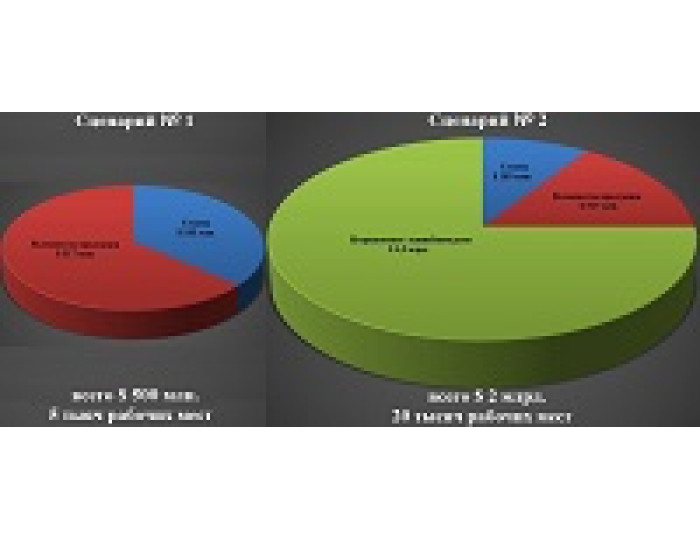
New Zealand Cannabis Development Scenarios
In New Zealand, there are three main categories of hemp products that they would like to work with: food products (primarily using seeds), processing of stems and the ability to work with leaves and flowers to obtain extracts of drug-free cannabinoids. Traditionally, for the New Zealand market, the most developed segment of food consumption of hemp products - shelled seeds, food additives, oil and its derivatives. But the most desirable segment that New Zealand cannabis growers want to explore is cannabinoid products, which are growing in popularity around the world, thanks to the discovery of a range of therapeutic benefits for human health, as well as the ability to replace the opiate group with cannabinoids. There is a notion in the country that the biggest potential market for cannabis is CBD nutraceuticals, oils and balms used in the cosmetic field, as well as drug-free cannabinoids as an ingredient in a wide range of foods and beverages. The total volume of this market in the United States, for example, is already estimated at $ 1.2 billion.
The economically developed countries of North America have far outstripped many countries in using the opportunities for economic growth associated with the legalization of the possibility of using the various components of the hemp plant. The example of the United States demonstrates how political will can change the prospects for the cultivation and processing of cannabis for the benefit of the domestic market, which in recent years is partially lacking in New Zealand, and the understanding of which is completely absent in Ukraine.
So, in the United States, using the example of the state of Kentucky, whose population is approximately equal to New Zealand, you can see that in 2019 there were 43 processors, whose gross sales of products amounted to $ 194 million, with a capital investment of $ 207 million in the hemp business. ., created an additional 1 304 jobs. The bulk of this growth was in the cultivation, processing and production of products associated primarily with the production of drug-free cannabinoids.
Commentary of experts of the Association "Ukrainian technical hemp"
In New Zealand, as well as in Ukraine, the possibility of using cannabis for medical purposes is not currently regulated. The experience of appealing to the state structures of the country is of interest to Ukrainian cannabis growers because our New Zealand colleagues have calculated exactly how much profit the country loses in the absence of the possibility of using drug-free cannabinoids for industrial purposes. Understanding the volume of the domestic Ukrainian market for hemp seeds and fiber, it is possible to extrapolate the data obtained by our New Zealand colleagues to the national one and obtain the approximate volume of the market for drug-free cannabinoids used for industrial purposes (with coefficients introduced into the general formula, for example, concerning the population size, its financial solvency, etc. .).