

Seeing the growth of medical hemp imports, the German BvCW calls for the development of this modern cannabis sector in Germany itself
The largest German hemp association (Cannabis business industry association, BvCW) is calling for an increase in the volume of raw materials grown in the country and the finished products made from them, as the data at its disposal show that due to its actual absence, imports to Germany increased by more than 80 % only in the first half of 2021.
I would like to focus the attention of our dear readers and listeners on the assessments of the German medical cannabis market (the number of patients, redemption of the cost of pharmaceuticals from the state budget, market volume), as well as the huge problems that have been observed for the third year in a row with the entry of German cannabis companies at least on the domestic the market, with its full dominance on the part of foreign suppliers of hemp raw materials, as well as final products made from it. Interpolating this situation on the national market, as well as adding in the form of a certain coefficient the corruption component characteristic of our country, one can draw with separate strokes a picture of what the same major Canadian hemp raw material producers are trying to impose on us, who have created a critical picture for German cannabis growing in the sector of using therapeutic plants in Germany itself.
The largest German hemp association (Cannabis business industry association, BvCW) is calling for an increase in the volume of raw materials grown in the country and the finished products made from them, as the data at its disposal show that due to its actual absence, imports to Germany increased by more than 80 % only in the first half of 2021.
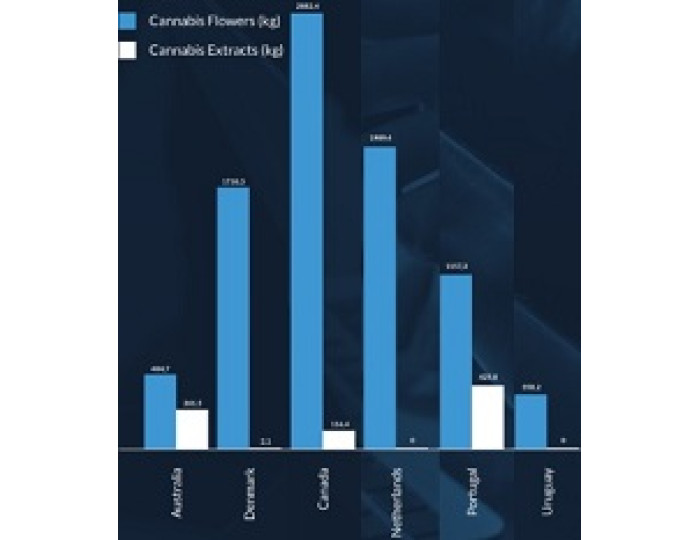
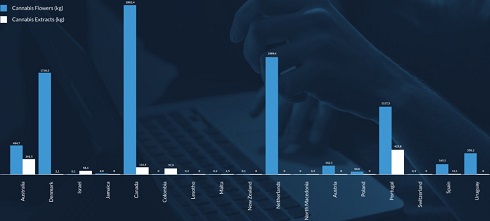
Data received by BvCW from the Federal Ministry of Health show that almost nine tons of hemp flowers with therapeutic properties were imported into the country in 2021, compared with almost five tons in the corresponding period in 2020. Information provided by the Ministry of Health to BvCW suggests that hemp-derived therapeutic products are currently imported from 17 countries, nine of which are European, with the main suppliers currently being Canada, Holland, Australia and Portugal.
Jürgen Neumeier, Managing Director of BvCW argues that the above material clearly demonstrates Germany's need to accelerate the development of its own hemp industry. “The significant increase in imports is indicative of the growing demand of German consumers for hemp with therapeutic properties. Of the planned cultivation volume in Germany of 2,600 kg per year, as far as we know, only about 50 kg were sold in the first half of 2021. Importers are exclusively interested in this kind of development of the largest hemp market in Europe ”.
The Federal Institute for Medicines and Medical Devices (Bundesinstitut für Arzneimittel und Medizinprodukte, BfArM) has so far granted cultivation permits in Germany to three companies - Aphria, Demecan and Aurora, two of which are subsidiaries of the largest Canadian hemp importers plants with significant therapeutic potential.
The data from the Ministry of Health are published at the request of former Bundestag member Dr. Wieland Schinnenburg, who says that “It is simply not clear why German companies are not in the lucrative export market for hemp. Instead of becoming more and more dependent on imports, we need more therapeutic hemp made in Germany. We must enable German companies to enter the export market and significantly expand the annual cultivation of the hemp plant. ”
Commentary of the specialists of the Association "Ukrainian technical hemp"
According to official figures published by the German Ministry of Health, 8,966.6 kg of hemp flowers with therapeutic properties were already imported into the country in the first half of 2021. In 2020, this figure was 4946.3 kg over the same period. In addition, in the six months of 2021, 980.4 kg of dried medical hemp flowers were imported, which were required for the production of various kinds of extracts. For the same period last year, the amount of hemp raw materials for similar needs amounted to 820.3 kg. This corresponds to an increase in consumption of about 19.5%. The huge increase in imports in the first half of the year is due to the fact that the number of patients using the therapeutic properties of the hemp plant in Germany has grown to more than 130 thousand people, and the state health insurance program mainly covers the costs of purchasing medicines based on the medicinal properties of hemp. The total import of medical cannabis to Germany last year amounted to 9,249 kg, which is 37% more than in 2019.