

How promising is the hemp pulp market
The prospect of the hemp paper market has extremely good starting positions in our country, given the total dependence on imported cellulose, as well as the opening opportunities for its use, including in connection with the emerging trend of gradual replacement of plastic and plastic products in Europe with alternative ones made in primarily plant-based.
On the pages of the specialized electronic edition of national cannabis growers, the question of “ Prospects of the market for hemp products for children ” has been raised more than once , in particular about “ Hemp diapers .” Considering the natural characteristics of hemp fiber, as well as the specifics of its use, the attention of our dear readers and listeners was focused on “ Why France is actively considering the need to use hemp diapers ”.
In addition, attention was focused on “ How relevant is the question of the use of leaves and inflorescences of technical hemp in various hygiene products ”, explained why “ Hemp tampons are a new remedy for menstrual pain ”, described the features of the use of “ Hygienic cannabinoid tampons ”. Attention was drawn to experiments on the use of hemp cellulose in various types of hygiene products intended primarily for women, including the use of " Hygienic tampons based on the therapeutic properties of hemp, which should appear on the American market ." It is not surprising that the exclusive properties of hemp cellulose, about which only our publication has been actively raising the issue over the past 10 years, have already been sufficiently well studied by Chinese scientists, and commercial enterprises of the Middle Kingdom are actively bringing such products to the market. It is in order to draw the attention of national cannabis growers to the extremely promising niche of hemp cellulose, as well as to demonstrate promising niches in which it can be used as efficiently as possible, we publish information from our Chinese colleagues.
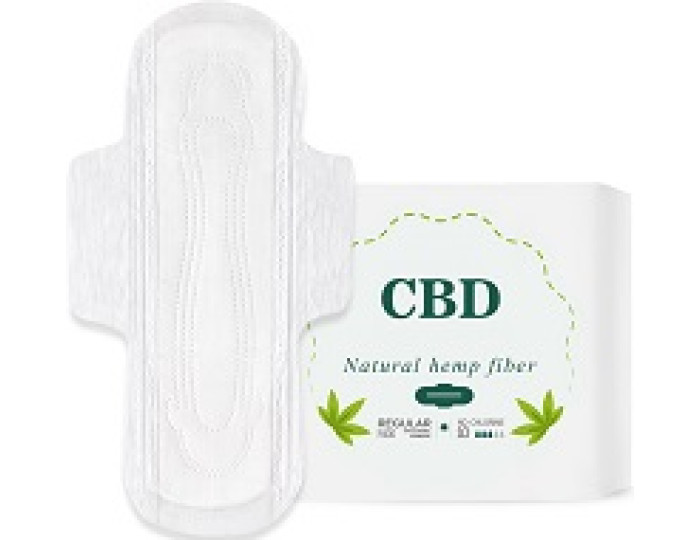
At the recently held 21st Children Baby Maternity Expo, a Chinese hemp company presented a range of diapers and feminine hygiene products based on the exclusive properties of hemp cellulose. These products were developed by a Chinese research institute specializing in the study of the physical / mechanical / biological properties of various hemp plant elements, in particular the use of textiles made from hemp fiber, as well as the therapeutic properties of plant cannabinoids.
Commentary of the specialists of the Association "Ukrainian technical hemp"
Children Baby Maternity Expo (CBME) is a recognized one-stop trade fair with nearly 21 years of experience bringing together the driving forces in the baby, infant and maternity industry.
Information on the use of hemp cellulose in hygiene products for children and women not only demonstrates relatively new niches in the use of hemp raw materials with high added value, it suggests that Chinese scientists are extremely carefully studying the physical as well as therapeutic possibilities of various hemp constituents of the plant in order to in order to use them as efficiently as possible in the mass production of end products that are in demand in the market.
I would like the management, as well as the technical staff of the national hemp raw materials processing facilities to pay attention to such trends in the global hemp market in order to outline and further implement new directions for the use of fiber, leaves and inflorescences of technical hemp for therapeutic purposes in end products that will maximize the physical / mechanical / therapeutic properties of hemp raw materials. In addition, once again it makes sense to pay attention to the prospects of the hemp paper market in our country, which has extremely good starting positions, given the total dependence on imported cellulose, as well as the opening opportunities for its use, including in connection with the emerging trend of gradual replacement on the territory of Europe, plastic and plastic products to alternative, made primarily on a plant basis.