

As evidenced by the fact that the production capacity of an American startup specializing in the production of hemp-based biocomposites is growing
Before the crisis on the market for hemp raw materials using the therapeutic properties of the plant, a number of investors, including those working with government resources, invested them in the latest developments aimed at using not only medical, but also exclusive mechanical / physical / technological properties of the hemp plant. This investment can be especially indicative due to the fact that in the United States there is a nationwide trend towards substitution of environmentally neutral or biological raw materials in all types of production of bases that were previously made on the basis of fossil semi-finished products. Considering the fact that in our neighboring Europe, in accordance with the adoption of legislation prohibiting the use of plastic and plastic products, similar regulatory legal acts that “take out” plastic bags and similar products from the national market, it makes sense to consider this kind of technology for the production of biocomposite materials, made on hemp base in refraction to the capabilities of national capacities designed for the processing of hemp raw materials.
On the pages of the specialized electronic edition of national cannabis growers, we have more than once focused the attention of our dear readers and listeners on the fact that in the United States, after the crisis of overproduction of hemp raw materials rich in therapeutically active elements, the preferences of institutional investors who are ready to invest in high-tech projects aimed not only at to use the exclusive therapeutic properties of the hemp plant. Against the background of a number of publications on various kinds of investments in areas related to the primary and deep processing of grain, fibers or fires, information about state investments in startups that bring technologies related to the production of biocomposite materials to the American market is extremely interesting. That is why we draw the attention of our dear readers and listeners to the materials below, provided to us by our colleagues from the United States.
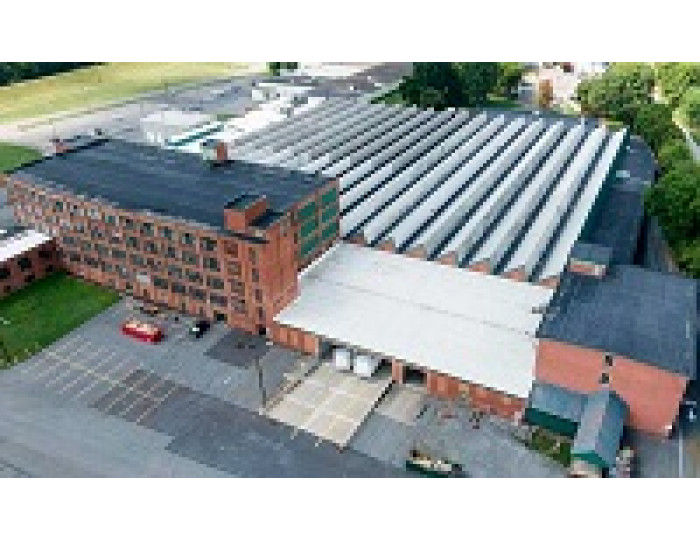
A Pennsylvania-based company that makes biocomposite materials based on the exclusive physical properties of hemp is set to take over part of the former textile factory, thanks in part to government assistance.
Sivana Converting LLC has acquired part of the manufacturing premises of the former Sunbury Textile, formerly owned by Glenn Raven Custom Fabrics LLC, covering 32,500 square meters (350,000 square feet) in its home state of Pennsylvania, Sunbury. At the acquired production facilities, it is planned to establish the production of biodegradable plastic containers for food products, cups, plates, straws, as well as other similar products that are in demand on the market.
According to the developed business plan, “Sivana Converting LLC” plans to create 50 new jobs during the first year of operation, and in the next three years to hire about 125 qualified employees at the above-mentioned production facilities. Positions will include technicians, operators, packers, customer service representatives, sales and office administration. It should be noted that the top management of the company has more than 30 years of experience in the production of cellulose, including experience in small-scale production of hemp paper. The management of the company expects the installation of the already purchased equipment within the next three months, after which the mass production of various types of biocomposite products made on the basis of hemp will begin.
According to Sivana Converting LLC CEO Soheil Shahruz, “Hemp is more sustainable, organic and regenerative than any other crop. Almost anything that can be made from plastic can be made from hemp-based biocomposite materials. ”
Commentary of the specialists of the Association "Ukrainian technical hemp"
In 2020, Sivana Converting LLC received $ 100,000 in a startup grant from Ben Franklin Technology Partners as part of a government-funded economic development program. This fact suggests that even before the crisis on the market for hemp raw materials that use the therapeutic properties of the plant, a number of investors, including those working with state resources, invested them in the latest developments aimed at using not only medical, but also exclusive mechanical / physical / technological properties of the hemp plant. This investment can be especially indicative due to the fact that in the United States there is a nationwide trend towards substitution of environmentally neutral or biological raw materials in all types of production of bases that were previously made on the basis of fossil semi-finished products. Considering the fact that in our neighboring Europe, in accordance with the adoption of legislation prohibiting the use of plastic and plastic products, similar regulatory legal acts that “take out” plastic bags and similar products from the national market, it makes sense to consider this kind of technology for the production of biocomposite materials, made on hemp base in refraction to the capabilities of national capacities designed for the processing of hemp raw materials.