

Prospects for the use of hemp feed in the USA
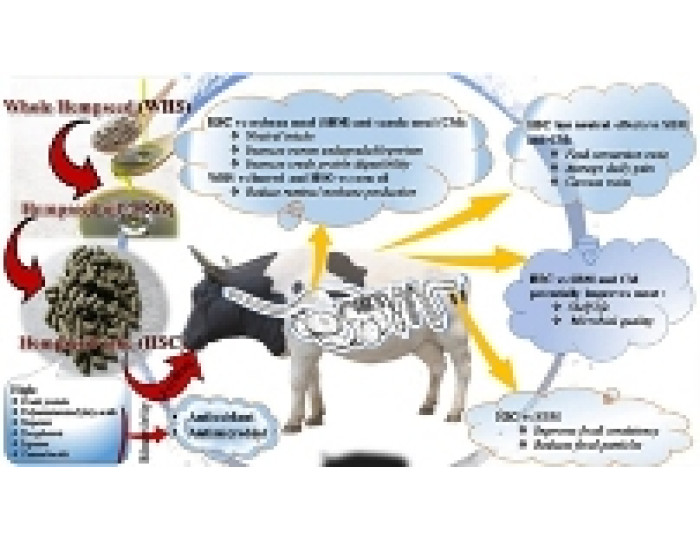
Hemp raw materials are extremely promising from the point of view of their use as a basis for feed for domestic animals and poultry. For the shortest possible period of time, this market in the United States will be regulated and its rapid growth will begin. Despite the fact that in our country there are unique technologies aimed at the use of feed additives made on the basis of the therapeutic properties of industrial hemp, this sector of modern hemp growing in Ukraine is currently in its embryonic state and is not actually developing.
Historical aspect
Since the discovery of America by Columbus until the Marihuana Tax Act was passed in 1937, the hemp plant was not only used as one of the main crops in both American continents, but wild hemp grew freely almost everywhere on throughout the Americas. The plant has become a natural part of the diet of all grazing animals, including cows, goats, sheep, bison, etc. Even poultry (chickens, ducks, turkeys) raised at home or on pastures pecked hemp plants everywhere, which means that this agricultural crop has been a natural part of the diet of domestic animals and poultry for a long period of time.
Fundamentals of the American Hemp Feed Market
At the moment in the United States, the hemp plant is mainly grown for the production of grains, the fibrous part of the plant, as well as leaves and inflorescences used as the basis for the manufacture of therapeutically active raw materials. At the same time, by-products that remain after the harvest are already actively used by individual agricultural producers for fattening domestic animals and poultry. The minor components of the plant that are used as feed for animals and poultry include: leaves and inflorescences of industrial hemp, various parts of the fibrous part of the plant, root, hemp grain processing products. According to industry experts, since “non-essential” (by-products) are predominantly “cellulose-containing plant materials”, the best type of animal to use them is ruminants (cattle, sheep, goats, buffaloes, deer, moose, giraffes, camels, etc.) etc.) due to the peculiarity of their unique digestive system. This factor is one of the fundamental in order to commercialize the above-mentioned segment of modern US cannabis production and "launch" an extremely highly profitable market for hemp pet food.
Competence related to feed ingredients falls under the jurisdiction of the US Food and Drug Administration (FDA). It is to this state structure that over the past few years letters from farmers specializing in the cultivation of hemp, as well as feed producers, have been addressed with a request to regulate the possibility of using the plant as feed for livestock. In their view, large-scale production of industrial hemp will create inexpensive by-products that are valuable ingredients in animal feed.
The realities of the nascent hemp compound feed market
In order to realize the benefits of hemp ingredients in compound feeds in the American market, a number of US public organizations, together with relevant government agencies, are actively working on the development of the necessary regulatory framework for this. In particular, documents are being prepared for obtaining federal permission to use the plant itself or its various components as an acceptable ingredient for the manufacture of feed intended for use on an industrial scale or individual farms for fattening animals and poultry.
Commentary of the specialists of the Association "Ukrainian technical hemp"
The standard approval process for animal feed ingredients in the United States usually takes up to four years, however, the representatives of the US FDA, realizing the prospects of this market, say that they will speed up the procedure as much as possible and reduce it to 1.5-2 years. To date, hemp is not approved as a feed ingredient by the Association of American Feed Control Officials (AAFCO) or the FDA's Veterinary Medicine Center. Considering the fact that hemp raw materials are extremely promising from the point of view of their use as a basis for feed for domestic animals and poultry, it can be argued that within the shortest possible period of time this market in the United States will be regulated and its rapid growth will begin.
Despite the fact that in our country there are unique technologies aimed at the use of feed additives made on the basis of the therapeutic properties of industrial hemp, this sector of modern hemp growing in Ukraine is currently in its embryonic state and is not actually developing.