

Canadian hemp fields shrink for fourth straight year, hitting modern lows
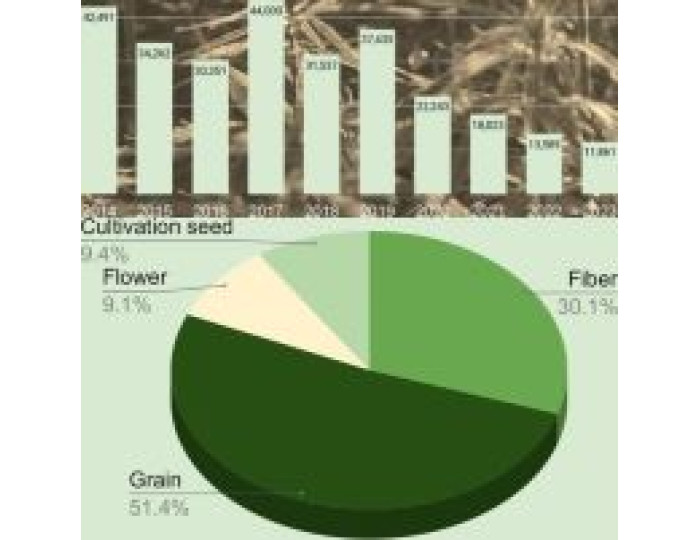
The grain sector continues to dominate the
country's hemp segment: in 2023, about 51% of cultivated industrial hemp fields
were allocated to this crop. Crops grown for fiber production accounted for
30.1% of the total last year. In both subsectors, the area under cultivation in
2023 fell by more than half compared to the previous year.
On the pages of the specialized electronic publication of national hemp growers, the topic “ What is evidenced by the statistical indicators of hemp cultivation in the USA during 2022-23” has already been raised. " Without claiming originality, we bring to the knowledge of our respected readers and listeners the official information published by Health Canada. The conclusions from the presented statistical indicators suggest themselves.
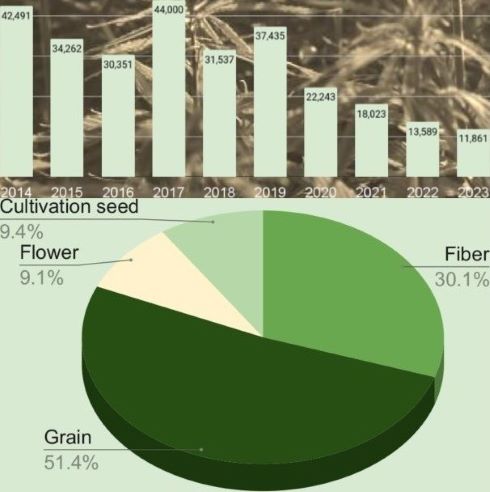
Licensed hemp fields in Canada continued to decline, with 11,861 hectares registered in 2023, down from 13,589 hectares in 2022, according to government statistics.
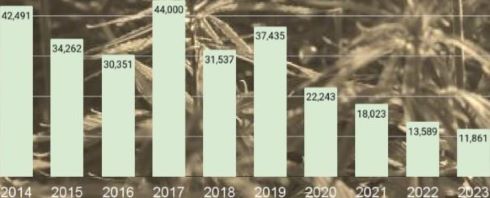
Statistical results for 2023 show industrial hemp is at its
lowest level of cultivation since Health Canada (the government regulator for
all hemp in the country) began tracking the crop in 2018. It is a fact that
Canadian fields today represent one-quarter of the peak area of 44,600 hectares
reached in 2017.
In addition to a significant reduction in the area under cultivation, it should be noted that in all three leading “hemp” provinces of Canada, the number of companies involved in growing the plant has decreased. In Alberta, the number of cannabis licensees fell from 187 (in 2022) to 130 (2023), and the area under cultivation fell from 6,532 to 5,595; the number of licensees in Manitoba was 58 in 2023, down from 67 the year before, and field acreage fell from 3,130 to 2,270; there were 75 licensees in Saskatchewan in 2023, down from 100 in 2022, and field acreage fell from 2,859 to 2,221.
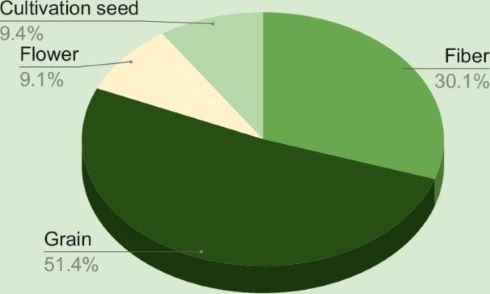
Health Canada's annual report shows that the grain sector continues to dominate the country's hemp segment, accounting for about 51% of industrial hemp fields in 2023. Crops grown for fiber production accounted for 30.1% of the total last year. In both subsectors, the area under cultivation in 2023 fell by more than half compared to the previous year.

According to a number of representatives of consulting
companies specializing in analysis of the modern hemp growing market in Canada,
hemp cultivation areas in the country reached a record high in 2017, which was
facilitated by a boom in grain exports to South Korea. In 2016, approximately
$35 million worth of hemp grains were shipped to South Korea as South Korean
consumers, looking to hemp seeds as an alternative to fish oil, purchased hemp
products “on a rush” driven by aggressive telemarketing programs . However,
Canadian exporters found it difficult to compete with Chinese manufacturers,
who quickly entered this market with similar raw materials at a more affordable
price category.
Commentary from specialists of the Association
“Ukrainian Industrial Hemp”
Despite the downturn, Canadian hemp grain producers continued to dominate the U.S. market for seed-based products last year, exporting about $55 million worth of raw materials, according to USDA import data last year. year, Canadian producers supplied $46.8 million worth of food grains, $5 million worth of oil cake and $3.6 million worth of hemp oil, with the majority of supplies coming from Manitoba (about $43 million).

< Previous article Next article >