

Hemp protein market potential
The global meat substitute sector, including so-called plant-based meat, is currently valued at $ 20.7 billion and is expected to grow to $ 23.2 billion by 2024. In turn, the global hemp protein market will grow at a CAGR of 15.2% between 2019 and 2024.
On the pages of the specialized electronic edition of national cannabis growers, the worldwide tendency to substitute animal protein for plant protein in various economically developed countries of the world has been noted more than once. Studying this trend, one immediately draws attention to the fact that one of the main crops that plays the "first fiddle" in the formation of this kind of trend is hemp raw materials. The reasons why the hemp protein market has excellent growth prospects in the medium term is briefly demonstrated in this material.
Worldwide, there has been a significant increase in the production and consumption of plant-based proteins. This includes hemp protein, which is currently a relatively niche product but has a notable impact on the vegetable protein sector. At the end of 2020, the agricultural market research company Euromonitor conducted a study, according to which it claims that the global meat substitute sector, including the so-called plant-based meat, is currently valued at $ 20.7 billion and is expected to grow to $ 23.2 billion by 2024. In turn, Irish Research and Markets stated in September 2020 that the global hemp protein market will grow at a CAGR of 15.2% between 2019 and 2024. According to the analytical materials of a number of consulting companies, it is the United States and economically developed countries of Europe and Asia that will become the main markets for hemp protein in the next few years.
Why hemp protein is popular
Industry officials say environmental concerns have helped improve consumer awareness of hemp protein and boost consumer demand. This is a product that not only has excellent taste, but is also extremely useful for the human body. That is why in the past few years there has been significant interest from popular brands, as well as large retailers specializing in the sale of natural products or health products, to create and market product lines that include plant-based protein, primarily hemp. protein.
What is hemp protein
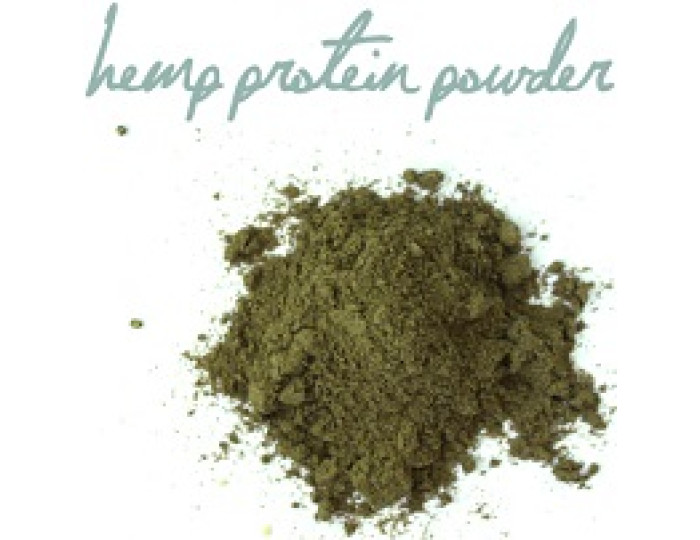
Hemp protein is made from hemp grains. Whole hemp seeds contain from 20 to 25% vegetable protein, as well as oil (fats), fiber, carbohydrates and certain trace elements. After cold pressing the hemp seed (used to make hemp oil), the result is hemp flour, with a significant hemp protein content. It already contains about 33% protein by weight (comparable to the protein content of legumes such as peas, beans or lentils), and it also contains more essential fats and nutrients, such as omega-3 fatty acids, omega -6 and omega-9.
How Hemp Protein Is Different From Animal Protein
Vegetable proteins (including hemp protein) are easily digestible and extremely effective for the functioning of the human body. Those. the efficiency of the organism in the case of using hemp protein is significantly higher compared to animal protein. In addition, the production of vegetable protein requires far fewer natural resources than the production of animal protein of the same efficiency.
What is the future of the hemp protein industry
According to a number of American experts in the North American agricultural market, hemp protein has great potential in the United States. Despite the fact that there are gaps in this segment of the economy from the point of view of the price that this crop currently offers, however, regular analysis indicates that already now hemp protein may well compete at an affordable price with agricultural crops - food grants. market. Moreover, according to scientists from the University of Manitoba, the established global hemp protein supply chains suggest the emergence of huge opportunities in the emerging vegetable protein market, primarily made from hemp raw materials.
There are signs that the hemp protein market is picking up steam. For example, in late July, the industry non-profit Protein Industries Canada (PIC) announced a partnership between four companies to use peas and hemp in foods and plant-based ingredients. In particular, according to PIC CEO Bill Groil, “By focusing on sustainable protein crops like peas and one that is still gaining popularity, hemp, the company is diversifying the risks of farming. This emerging trend is an important step in opening up new markets and establishing the maple leaf country as a leader in meeting consumer needs for food products made from plant-based raw materials. "