

Differences between CBD oil, a distillate and isolate made from hemp
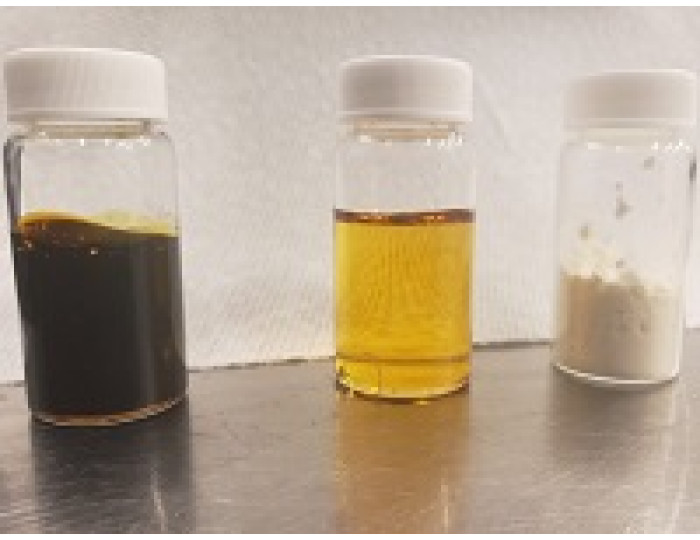
Full spectrum hemp oil has the highest potential for synergistic effects that can be obtained from a hemp plant, because it contains the full spectrum of therapeutically active compounds that are naturally embedded in the plant .
Full spectrum oil, distillate and isolate - these three terms are used in the cannabinoid industry, but even those who market them in our country often misunderstand the nature of their properties. Each term represents a specific form of cannabinoid concentrate that differs in its composition and therapeutic effect on the human (animal) body. On the eve of the specialized round table "Exponential growth of the market for non-traditional therapeutically active elements of hemp" held as part of the training of the next course for students of the "Hemp University", the editors of the specialized electronic edition of national cannabis growers turned to our colleagues from the information and analytical platform "Hemp Consulting" with a request to give a brief description of what each of the above terms means, and identify the similarities and differences between them. Materials provided by our colleagues from Hemp Consulting are published without any edits or corrections.
Full Spectrum Hemp Oil
Full Spectrum Hemp Oil is a term coined for effective CBD marketing. Previously, a different term was used to describe this product, "Rick Simpson Oil" or RSO. These terms mean that all constituents of the plant are extracted and concentrated in the oil, regardless of the extraction method. This includes cannabinoids, terpenes, lipids, plant sugars, chlorophyll, solvent, and other compounds that may dissolve as a result of the extraction method used.
The total concentration of cannabinoids in full spectrum hemp oil ranges from 50 to 70%, with the remaining percentage being accounted for by “other plant components”. Such a product has the highest potential for synergistic effects that can be obtained from a hemp plant, because it contains the entire spectrum of therapeutically active compounds, which are naturally embedded in the plant.
Distillate
Distillate is a highly refined concentrate of cannabinoids that leaves behind "co-extracted" compounds such as terpenes, waxes and vegetable sugars. For the production of distillate, the majority of them use full spectrum hemp oil, which has undergone heat treatment and other refining methods. It is then loaded into a short-path distillation system and further "stripped". A typical distillate will contain only cannabinoids, however some residual terpenes and co-extracts may remain in the resulting product.
The total concentration of cannabinoids in the distillate ranges from 80 to 95%, with the remainder being co-extracts. Terpenes and other plant constituents break down or decompose during the distillation process, mainly making them a filler. The distillate may provide a synergistic effect of cannabinoids, however, terpenes or other compounds that the plant may contain will no longer benefit the human body. The distillate will have less hemp flavor than the full spectrum oil, and so manufacturers prefer to use it in food.
Isolate
Isolates are very different from full spectrum hemp oil and distillates. Isolates are single individual cannabinoids that have been purified to zero "extra extracts" and are usually crystalline solids rather than oils. The two most common isolates are THCa and CBD, but biochemists are already able to isolate other cannabinoids. When we say CBD isolate, we mean a crystalline substance that is 99% cannabidiol. It is free of terpenes, fats, solvents or anything else. It is a kind of clean slate cannabinoid because it has no synergistic effect. It should be borne in mind that up to 100% purity, the isolate is never purified, which suggests that a trace amount of THC is present.
How Full Spectrum Hemp Oil and Distillate Look Like
Both of the above products contain cannabinoids in a ratio similar to the plant from which it was extracted. If we were to extract them from a variety with a 2: 1 ratio (CBD: THC), the full spectrum hemp oil would contain 2: 1 of the above cannabinoids, and the distillate would have a similar or very close 2: 1 ratio. The same is true for other minor cannabinoids in the plant - CBN, CBG, THCV, and all other cannabinoids will be extracted into full spectrum hemp oil, and since the cannabinoids have very similar boiling points, they will be distilled together.
A good analogy between full spectrum hemp oil and distillate is whole milk and condensed milk. With whole milk, the consumer has fat and water to reduce concentration, but with condensed milk, you remove fat and water to increase concentration. If you have a recipe that calls for whole milk but don't have one, you can use condensed milk. If you've used condensed milk, you'll need to adjust the amount of milk in the recipe to get the same result as whole milk. The same is true for full spectrum hemp oil versus distillate. If we wanted to use 10mg of CBD in an edible, we could use either full spectrum hemp oil or a distillate, but we would use a different amount of each to achieve the ultimate goal.
Unique effects
One important thing to note about these hemp concentrates is that the effects of full spectrum hemp oil and distillate made from the same plant variety cannot be the same. As you read about the uses of cannabis, you will learn about the synergistic effects, or the effect that each compound in the plant has on each other and, ultimately, on humans. Any product containing terpenes and cannabinoids will have a unique effect when compared to terpenes and cannabinoids alone.
Full spectrum hemp oil and distillate are similar in terms of concentrated cannabinoids with ratios consistent with the original plant. However, each of the aforementioned product categories have their own unique identifiers, be it plant terpenes or high concentration of cannabinoids. It should be borne in mind that the results of their use may differ, despite the fact that they come from the same source and have the same dosage.
Commentary of the specialists of the Association "Ukrainian technical hemp"
During the specialized round table “Exponential growth of the market for unconventional therapeutically active elements of hemp” held as part of the training of the next course for students of the “Hemp University”, issues related to various forms of using therapeutically active elements of the hemp plant will be considered in maximum detail, however, understanding the mechanisms of production of various kinds products already used in the modern cannabinoid industry allows us to understand the characteristics of the therapeutic properties of each of the products, as well as the commercial attractiveness of each of the CBD products reviewed by our colleagues.