

Will hemp beer become a driver of the development of the US low-alcohol drinks market?
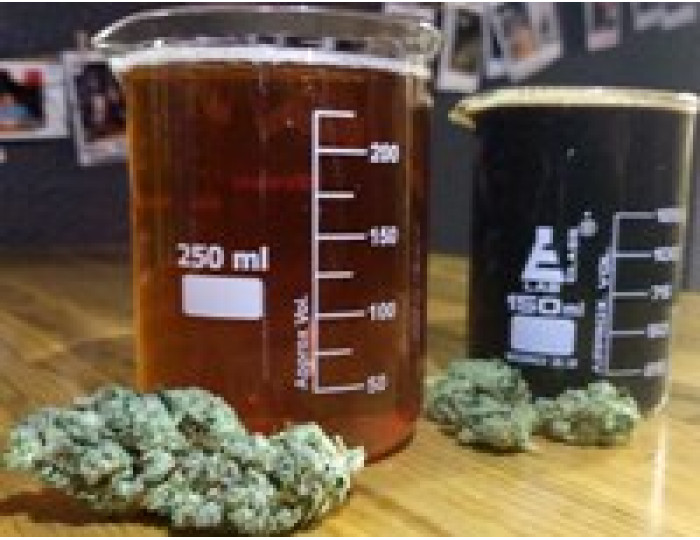
In the near future, the North American market may be completely open to this kind of products and for multinational corporations there will be a turning point in the introduction to the market of non-alcoholic / low-alcohol / alcoholic drinks, which will include therapeutically active elements of the hemp plant.
According to a number of experts, the market for non-alcoholic and low-alcohol drinks will continue to grow, despite the negative factors caused by the COVID 19 pandemic. In particular, one of the studies of a specialized analytical company suggests that by 2024 the above category of goods will account for a third of the total global alcoholic beverages. market. Including for the above reason, the global leaders of the brewing market are closely monitoring the rapidly growing industry sector of hemp beer, which may become one of the main drivers of growth in the market of low-alcohol drinks in economically developed countries.
It is worth paying special attention to the research carried out by world grants specifically in the field of using the hemp plant for the manufacture of appropriate non-alcoholic / low-alcohol / alcoholic beverages. For example, AB InBev notes in its annual report that its Canadian subsidiary Labatt is exploring the possibility of introducing cannabinoid-containing soft drinks to the market, and is also substantively working to create a brand that includes cannabidiol and the initial point of sale of which will be Canada and the separate administrative divisions of the United States.
Despite the activity on the part of “Labatt”, the head office of the world's largest brewer currently considers these initiatives as “risky”. This is due to the rather limited distribution of this kind of product on a global scale. Those. it is not a fact that the sale of hemp beer in Canada and individual US states will become a promising direction for the development of "AB InBev" in the next few years, since a violation of the current regulatory framework in jurisdictions where such goods are not regulated will lead to the imposition of significant penalties, as well as possible reputational losses.
At the same time, employees of the analytical division “AB InBev” note tendencies according to which in Canada and the US administrative-territorial units, where the use of cannabis leaves and inflorescences for the production of low-alcohol drinks is regulated, this activity is carried out almost everywhere. Over the past few years, local brewing or craft companies have regularly introduced therapeutically active elements of the hemp plant, primarily cannabidiol, into the formulation of local or regional brands being launched on the market. Trends of this kind observed by experts indicate that in the near future the North American market may be completely open to this kind of products and a turning point will come for multinational corporations, the introduction of non-alcoholic / low-alcohol / alcoholic beverages to the market, which will include therapeutically active elements of the hemp plant. ...
Commentary of the specialists of the Association "Ukrainian technical hemp"
Anheuser-Busch InBev (AB InBev) is an international brewing corporation that is the world's largest beer producer. Manages a global portfolio of beverage brands ranging from beer to hard seltzer and ready-to-drink cocktails. AB InBev not only produces beer brands such as Stella Artois, Budweiser and Corona, but also invests significant resources in the production of soft and alcoholic beverages.